What Factors Can Increase the Cost of a Remodeling Project?
Starting a remodeling project can be thrilling, but expenses can add up faster than expected. Most budget surprises come from a mix of material costs, labor, structural changes, permits, and scope creep. Whether you're planning a kitchen update, bathroom renovation, or a whole-home makeover, knowing these cost drivers early helps set a realistic budget and avoid unwelcome surprises.
At ReadyNow Remodeling, we guide homeowners to make smart decisions from the start, whether they're considering kitchen remodeling, bathroom remodeling, or a full home remodel. In Dallas, costs can change quickly due to labor demand, finish choices, and permit requirements, so planning is as crucial as design. For a broader look at choosing contractors and project planning, check out our guide to picking the right remodeling contractor.
This article breaks down common reasons remodeling costs rise, explains how current market conditions affect budgets, and shares practical ways to control spending without sacrificing quality. You'll also find real-world examples, industry trends, and tips to help you make better decisions before work begins. If you want a remodel that adds value instead of stress, a clear cost strategy is the best place to start.
Why Remodeling Costs Rise So Quickly
Changing Your Mind Mid-Project
One of the biggest reasons budgets increase is when homeowners change their minds after starting construction. A simple cabinet replacement can turn into a full layout change, new lighting, custom storage, and new flooring once demolition reveals the room's potential. These additions aren't always bad, but they almost always increase labor time and material costs.
Especially in kitchens and bathrooms, these changes can be common because these rooms involve many connected systems. Upgrading one element often affects others, such as plumbing, electrical, drywall, or tile layout.
Unexpected Structural or Mechanical Issues
Older homes often hide problems behind walls, under floors, or above ceilings. Once demolition begins, contractors might discover water damage, outdated wiring, undersized framing, or plumbing that no longer meets current standards. Fixing these issues is often necessary for safety and code compliance, adding unforeseen costs.
This is why detailed inspection and planning are so important before starting. A remodel involving drywall repair, framing changes, or wall removal can reveal hidden conditions significantly impacting the final price. The more your project touches the home's structure, the more important it becomes to budget a contingency fund.
Material Costs and Market Fluctuations
Inflation and Supply Chain Pressure
Material pricing is one of the most visible drivers of remodeling cost. In 2025, home repair and remodeling costs rose faster than overall inflation, largely because labor expenses increased, according to AP News. This means homeowners are paying more for products and their installation.
Prices can also shift due to supply chain disruptions, transportation delays, or manufacturer backorders. If a certain finish, cabinet line, or fixture becomes hard to source, contractors may need to substitute alternatives or wait longer for delivery. This delay can increase project overhead, especially if labor crews need to reschedule around unavailable materials.
Tariffs, Product Availability, and Finish Selection
High-end finishes and imported products can quickly push a remodel beyond its original budget. Recent tariffs, including a 50% import tax on kitchen cabinets and bathroom vanities, have contributed to higher costs in many renovation categories. Homeowners wanting custom or semi-custom components should plan and confirm pricing early, especially when cabinetry is a significant design part.
Thinking about cabinet upgrades or countertop replacement? Price differences can be wide based on material grade, edge profile, finish, and lead time. Builder-grade solutions usually cost less upfront, while stone slabs, custom millwork, or specialty hardware can increase both material and installation costs.
How the Finish Level Affects the Total Budget
The same room can cost dramatically different amounts depending on whether you choose basic, mid-range, or luxury finishes. Paint, flooring, tile, trim, lighting, and hardware all influence the final number. Even small design choices can create major price differences when multiplied across an entire home.
If comparing options, think about long-term value rather than sticker price alone. Durable products may cost more initially but can reduce future repair and replacement expenses. For homeowners exploring flooring or tile upgrades, durability and maintenance should be part of the budget discussion from the start.
Labor Costs and Skilled Trade Availability
Labor-Intensive Work Costs More
Labor is often the largest expense in a remodeling project, especially when multiple skilled trades are involved. Electrical updates, plumbing relocations, tile installation, custom carpentry, and finish work all require specialized expertise. The more labor-intensive the project, the more sensitive the final budget becomes to hourly rates and time overruns.
Tile flooring replacement and bathroom remodels are especially prone to labor increases due to precision work and multiple steps. This is why labor-heavy projects often cost more than simple cosmetic refreshes. When a room needs several trades working in sequence, even a one-day delay can ripple through the schedule and add costs.
Regional Wage Differences Matter
Labor costs are not the same everywhere. In Dallas, local labor rates reflect market demand, contractor availability, and the regional cost of living. According to industry estimates and sources like Fix Home Costs, remodeling professionals can vary widely in hourly pricing depending on trade and location. That means a project in one neighborhood or metro area can cost more simply because skilled labor is in higher demand.
In Dallas, expect labor prices to move with the local construction market. When demand is high, experienced tradespeople often book out weeks or months in advance, and urgent scheduling can increase pricing. This is why working with an organized team matters, especially for projects involving interior renovations or trim carpentry, where craftsmanship affects the final appearance as much as function.
Why Experienced Professionals Can Still Save Money
Hiring qualified professionals may seem more expensive initially, but it can reduce hidden costs caused by mistakes, rework, or poor coordination. A contractor who understands sequencing, permitting, and trade scheduling can often complete the job more efficiently than a cheaper team with less experience. That efficiency may shorten the project timeline and protect your budget from avoidable delays.
When comparing bids, the lowest number isn't always the best value. It's often smarter to compare scope, material allowances, communication style, and warranty coverage. If you want a practical planning framework, our stress-free remodeling planning guide can help you think through the process more strategically.
Design Complexity and Structural Changes
Layout Changes Raise Both Labor and Material Needs
Changing a home's layout is one of the fastest ways to increase remodeling costs. Removing walls, moving plumbing lines, shifting electrical outlets, or expanding room footprints all require extra planning and labor. These changes also require more coordination with permits and inspections, which can extend the schedule.
Homeowners often start with cosmetic goals and then decide they want better flow, more storage, or a more open plan. That's where projects like open-concept conversions and space reconfiguration come in. These upgrades can transform how a home functions, but they usually cost more than simple surface updates because they change the bones of the space.
Structural Work and Code Requirements
When a remodel affects load-bearing walls, headers, or framing, the project moves into a higher-risk category. Structural work requires engineering judgment, additional labor, and more inspection oversight. The same is true when a project includes framing changes or the removal of a wall that supports part of the home above it.
Codes exist to protect safety, and they can also affect cost. Once a project requires new permits, energy compliance, or code upgrades, the budget must account for those added steps. The International Code Council explains how building codes establish minimum safety and performance standards in residential construction. For additional reference, the International Code Council provides helpful information on code systems and construction standards.
Room Additions and Conversion Projects
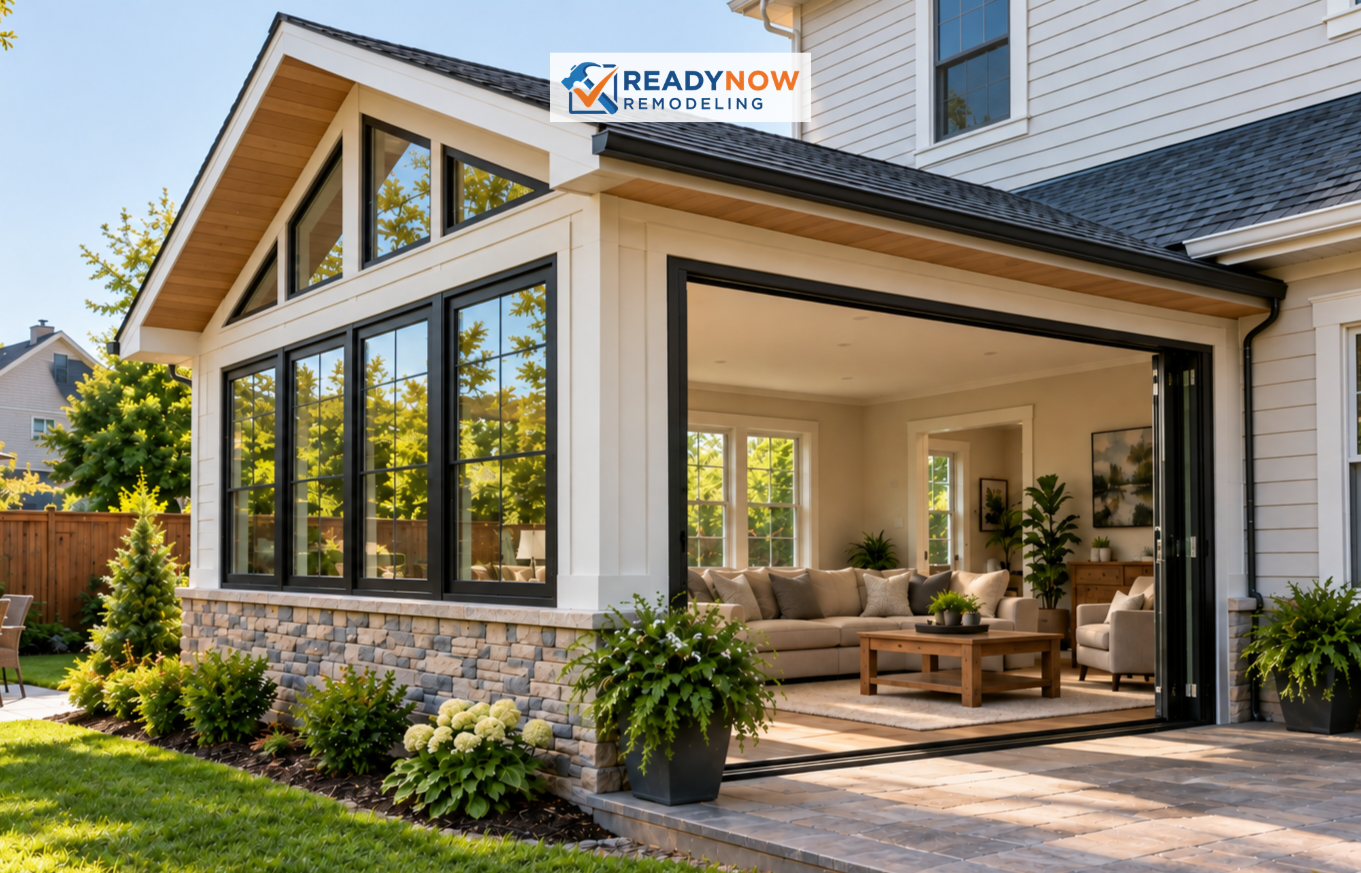
Adding square footage is almost always more expensive than improving existing space. Projects like home additions, room additions, garage conversions, attic conversions, and basement finishing involve foundations, framing, insulation, mechanical systems, and finish work. These projects can add tremendous value, but they also require a larger upfront investment than most surface-level renovations.
If you're planning to expand livable space, compare the cost of converting underused areas with the cost of building outward. In some cases, a well-designed conversion can deliver a better return on investment than a full addition. Still, the added complexity should be reflected in your budget from the start.
Permits, Inspections, and Local Compliance
Permit Costs Are Only Part of the Picture
Permits themselves may not be the largest line item, but they can increase the total cost through design revisions, plan review delays, and additional inspection requirements. If a remodel changes plumbing, electrical, structural components, or use of space, permits are often necessary. A project that begins without proper approval can become more expensive if corrections are required later.
Homeowners sometimes underestimate how much time compliance can add. Every permit review can create a waiting period, and delays can affect labor scheduling and material delivery. The U.S. Department of Housing and Urban Development offers resources on housing standards and rehabilitation concepts through HUD, which can help homeowners better understand why proper planning and compliance matter.
Energy and Safety Upgrades Can Be Mandatory
Some older homes need upgrades to meet current safety or energy standards. This may include electrical panel improvements, ventilation adjustments, window replacement, or insulation work. When the remodel exposes old systems, local code requirements may make these upgrades unavoidable rather than optional.
For homeowners planning window replacement, door installation, or exterior renovations, code compliance can improve comfort and efficiency, but it also adds to the project scope. Building the cost of compliance into the original estimate is always better than discovering it after demolition has already started.
Why Local Market Conditions Matter in Dallas
Dallas has a competitive contractor market and strong demand for home improvement projects, which influences pricing across multiple remodeling categories. Skilled labor is in demand, permits may take time, and finish-level expectations in the area can be high. That combination makes early planning especially important for homeowners who want to stay on budget.
In Dallas, the right project plan often depends on choosing the correct remodeling strategy for the home, the neighborhood, and the long-term goals of the owner. Whether the focus is resale value, family comfort, or investment performance, local knowledge plays a major role in controlling cost while still achieving a quality result.
Finish Level, Customization, and Product Choices
Custom Features Always Add Price
Customization is one of the clearest ways to increase remodeling costs. Custom cabinetry, built-ins, specialty millwork, unique tile patterns, and designer lighting all take more time to source, fabricate, and install. The same is true for upgraded countertops, high-end appliances, and premium plumbing fixtures.
These upgrades can dramatically improve the look and feel of a space, but they should be planned with care. A homeowner who wants cosmetic renovations may be able to refresh the home affordably, while someone seeking a luxury transformation should expect a more substantial budget. The key is to align product choices with both goals and financial limits.
Standard Versus Semi-Custom Versus Fully Custom
Product tier has a major effect on cost. Standard materials are usually more affordable and arrive faster, while semi-custom options provide more flexibility without the full price of bespoke work. Fully custom pieces give you the most control, but they can significantly raise labor and material expenses.
This distinction is especially important in kitchens, bathrooms, and storage-heavy spaces. A homeowner comparing cabinet options or planning a full kitchen remodeling project should factor in the long-term value of each tier. In many cases, a thoughtful semi-custom solution provides the best balance of function, appearance, and cost.
Small Details Can Create Big Budget Shifts
Hardware finishes, trim details, grout color, backsplash layout, and fixture selection may seem small, but they add up quickly. A room with basic materials and straightforward installation will usually cost far less than one with intricate finishes and custom detailing. This is why clear design decisions early in the process can help control the budget.
Many homeowners underestimate how much time it takes to select and coordinate all the finish elements. If you want help creating a cohesive plan, it can be useful to review options for painting, lighting design, and finish materials before construction starts. The more choices are made in advance, the lower the chance of expensive mid-project changes.
Real-World Examples of Remodeling Costs
Mid-Range Kitchen Remodel in Dallas
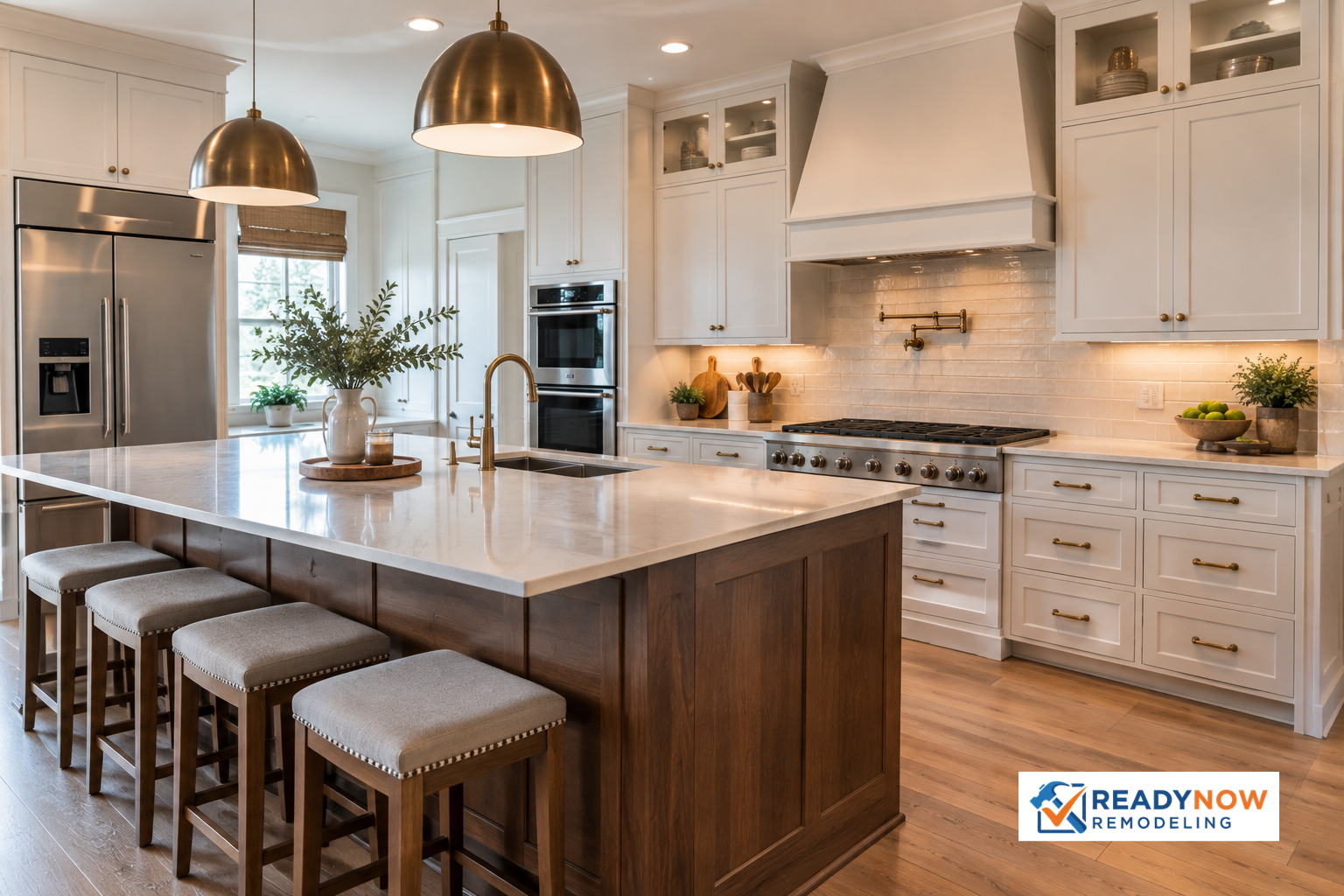
A Dallas homeowner completed a mid-range kitchen remodel featuring semi-custom cabinetry, updated flooring, improved lighting, and modest layout refinements. The project cost about $45,000, aligning with local expectations for that level of scope. This kind of project usually stays more manageable because it focuses on function and visual improvement without extensive structural changes.
Projects like this often benefit from careful material selection and disciplined planning. Homeowners who begin with a clear scope and choose products early are less likely to face change orders. If considering a similar update, a focused kitchen remodeling plan can help you maximize value without drifting into unnecessary extras.
High-End Bathroom Renovation in Garland
Another example involved a full bathroom remodel in Garland with high-end finishes and structural changes. The final price reached about $70,000, reflecting the upper end of the regional market for that type of work. Expenses increased because the project required more labor, more specialized materials, and additional code-related work.
This is a helpful reminder that bathrooms are often among the most expensive rooms to renovate on a square-foot basis. If updating a small space but wanting luxury results, the cost can rise quickly because you're paying for plumbing, waterproofing, tile, and finish detail in a condensed footprint. Often, a smaller bathroom can still be a large budget project.
High and Low Cost Per Square Foot
In Dallas, remodeling costs per square foot vary widely depending on finishes and complexity. Market insights suggest that a low-end facelift may run around $15 to $60 per square foot, while a high-end remodel can exceed $150 to $300+ per square foot. These numbers are not exact quotes for every project, but they illustrate how dramatically costs can change based on scope and quality level.
That spread is why comparing projects by square foot alone can be misleading. Two homes of the same size can have entirely different price tags depending on how much of the interior is touched, how many systems are upgraded, and whether the final design is basic or custom. For another angle on planning and cost awareness, our budget-friendly remodeling guide offers practical ideas for controlling spending.
How to Control Remodeling Costs Without Cutting Quality
Build a Detailed Plan Before Demolition Starts
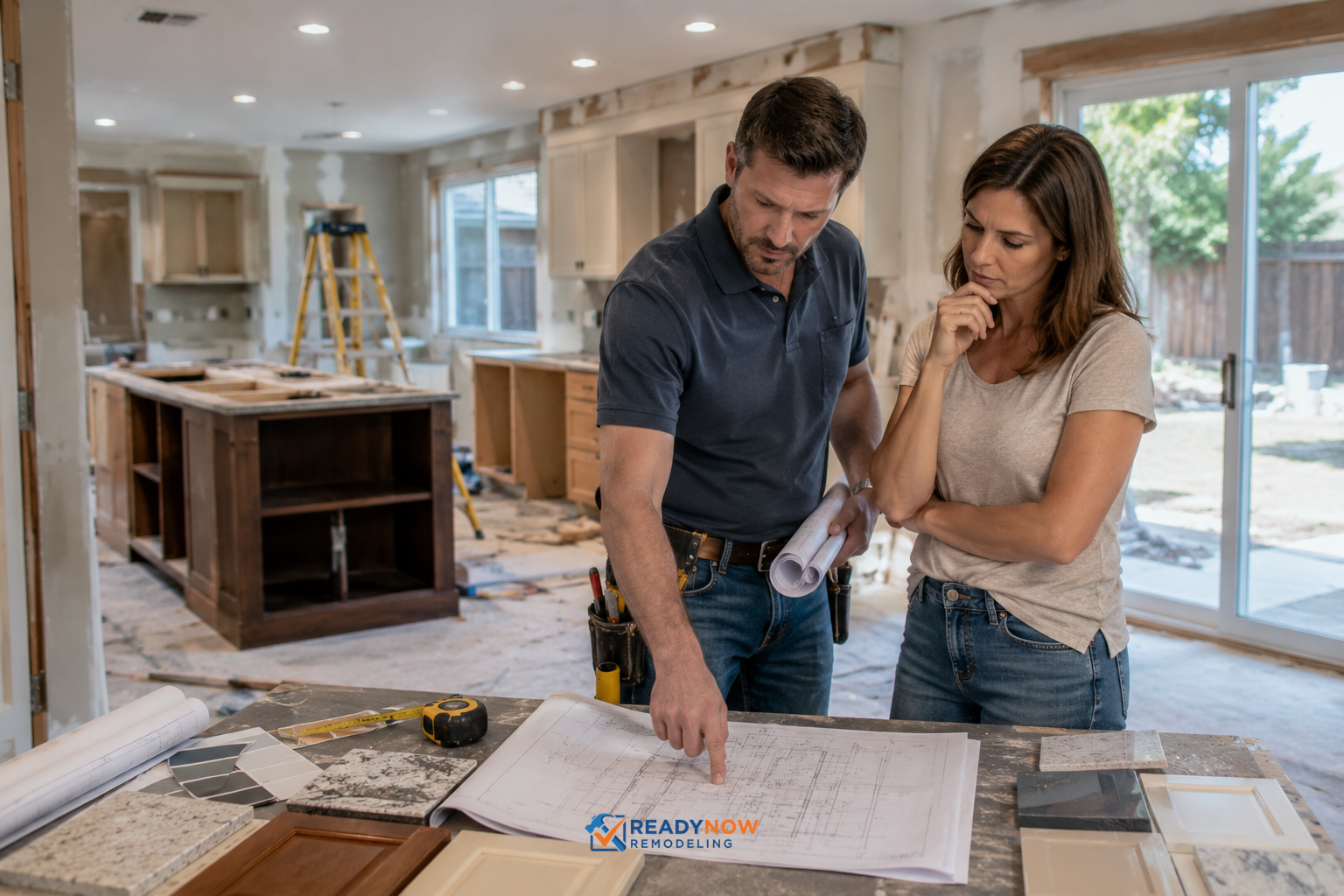
The best way to keep costs under control is to make decisions early. Finalize the scope, choose major materials, and set priorities before work begins. When everyone knows what the finished result should look like, it becomes easier to avoid expensive midstream changes.
A strong plan should also include a contingency fund. Most experts recommend setting aside extra budget for unexpected issues because older homes and structural projects almost always reveal something hidden. This reserve can reduce stress if a problem arises during demolition or framing.
Get the Right Team Involved Early
Good planning starts with good communication. When a contractor understands your goals, timeline, and budget, they can help you make tradeoffs more strategically. This is especially valuable for projects that require multiple specialists, such as space reconfiguration, bathroom remodeling, or whole-home updates.
It's also smart to discuss long-lead items as soon as possible. Cabinets, countertops, tile, and specialty fixtures can affect the schedule and the budget if they're not ordered in time. Working with a contractor who plans around those risks can reduce surprises and prevent costly downtime.
Choose Upgrades With the Best Value
Not every improvement needs to be premium to be worthwhile. Some of the best value updates are durable flooring, fresh paint, improved lighting, and functional storage. These changes can make a home feel significantly better without forcing the budget into luxury territory.
For investors and homeowners focused on resale, value-driven projects such as fix & flip renovations or targeted cosmetic work often make more sense than over-customizing. The best remodel isn't always the most expensive one; it's the one that fits the home, the neighborhood, and the owner’s goals.
FAQ: Common Questions About Remodeling Cost Increases
What Are the Most Expensive Parts of a Remodel?
Labor-intensive work, structural changes, custom materials, and mechanical updates usually make up the largest portions of a remodeling budget. Kitchens and bathrooms are often the most expensive rooms because they contain plumbing, electrical, cabinetry, and finish work in a relatively small area. If the project changes the layout, the cost rises even more.
How Can I Avoid Unexpected Expenses?
Start with a detailed scope, select materials early, and leave room in the budget for contingencies. It also helps to work with experienced professionals who can identify likely risks before construction starts. If the project involves complex changes, such as load-bearing walls or utility relocation, get those issues reviewed early.
Is It Cheaper to Remodel or Build an Addition?
It depends on the project, but remodeling existing space is often less expensive than adding new square footage. However, if the current layout cannot meet your needs, a strategic addition or conversion may be the better long-term investment. Options like ADUs or room additions can add value, but they come with higher initial costs.
Why Do Some Contractors Estimate Lower Than Others?
Low bids can result from different labor assumptions, cheaper materials, incomplete scopes, or a lack of contingency planning. Always compare what is included, not just the bottom-line number. A detailed proposal is usually more reliable than a vague estimate that leaves many items unresolved.
Conclusion: Plan Smarter, Spend Better
Remodeling costs rise for many reasons, but the biggest drivers are usually easy to spot once you know what to look for: labor, materials, scope changes, structural complexity, permits, and finish level. By understanding these factors early, homeowners can make smarter choices, protect their budget, and avoid stress during construction. The goal is not to cut corners, but to spend wisely on the things that matter most.
If you are ready to take the next step, start with a clear plan and a team that understands both design and execution. ReadyNow Remodeling helps Dallas homeowners navigate projects of all sizes, from interior renovations to whole-home remodeling, with a focus on clarity, craftsmanship, and long-term value. For another helpful resource, see our guide to the demolition phase so you know what to expect before work begins.
To discuss your remodeling goals and create a realistic budget for your home, contact ReadyNow Remodeling at (214) 247-6397 or email info@readynowremodeling.com. The better the plan, the better the result.