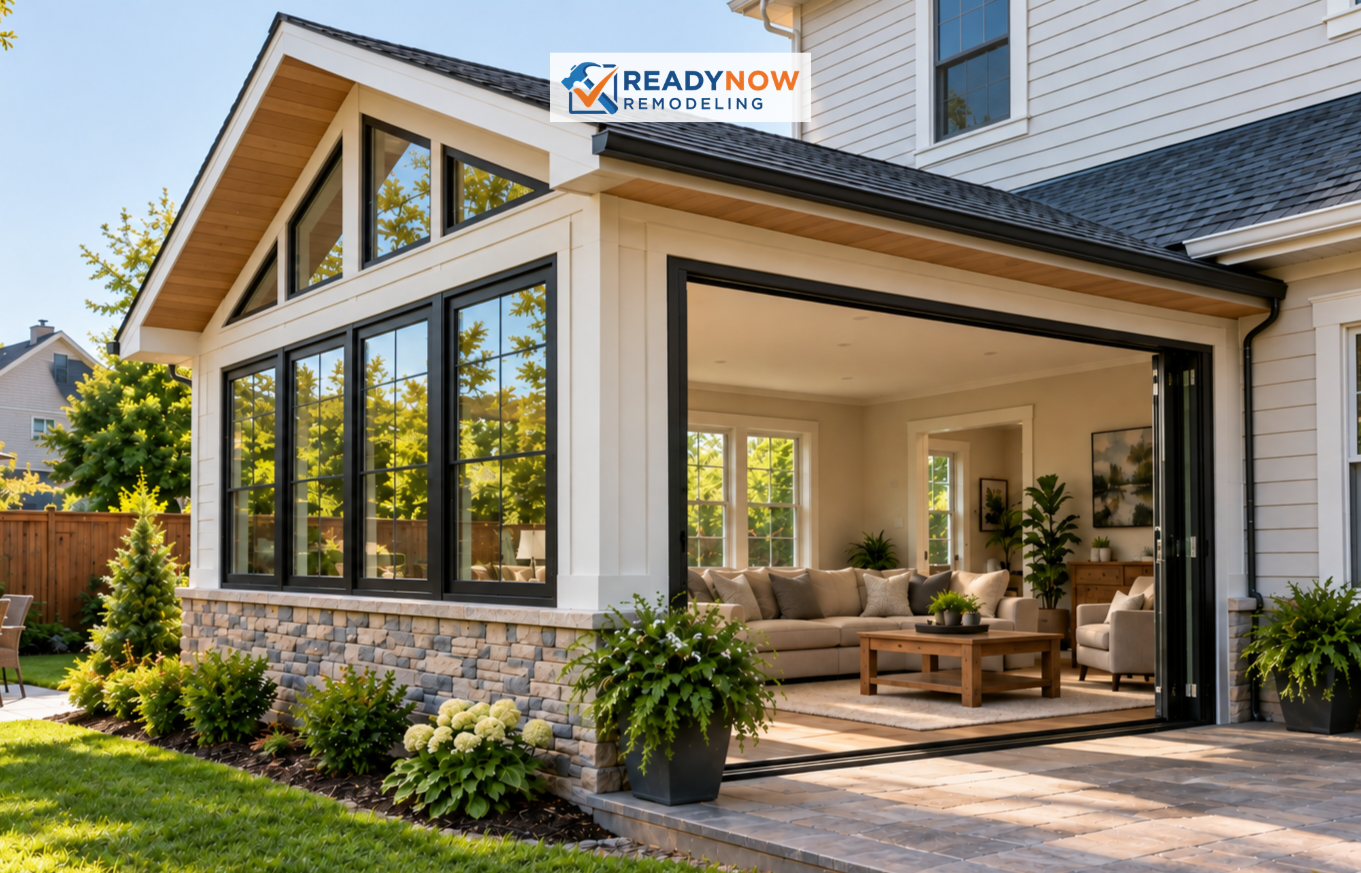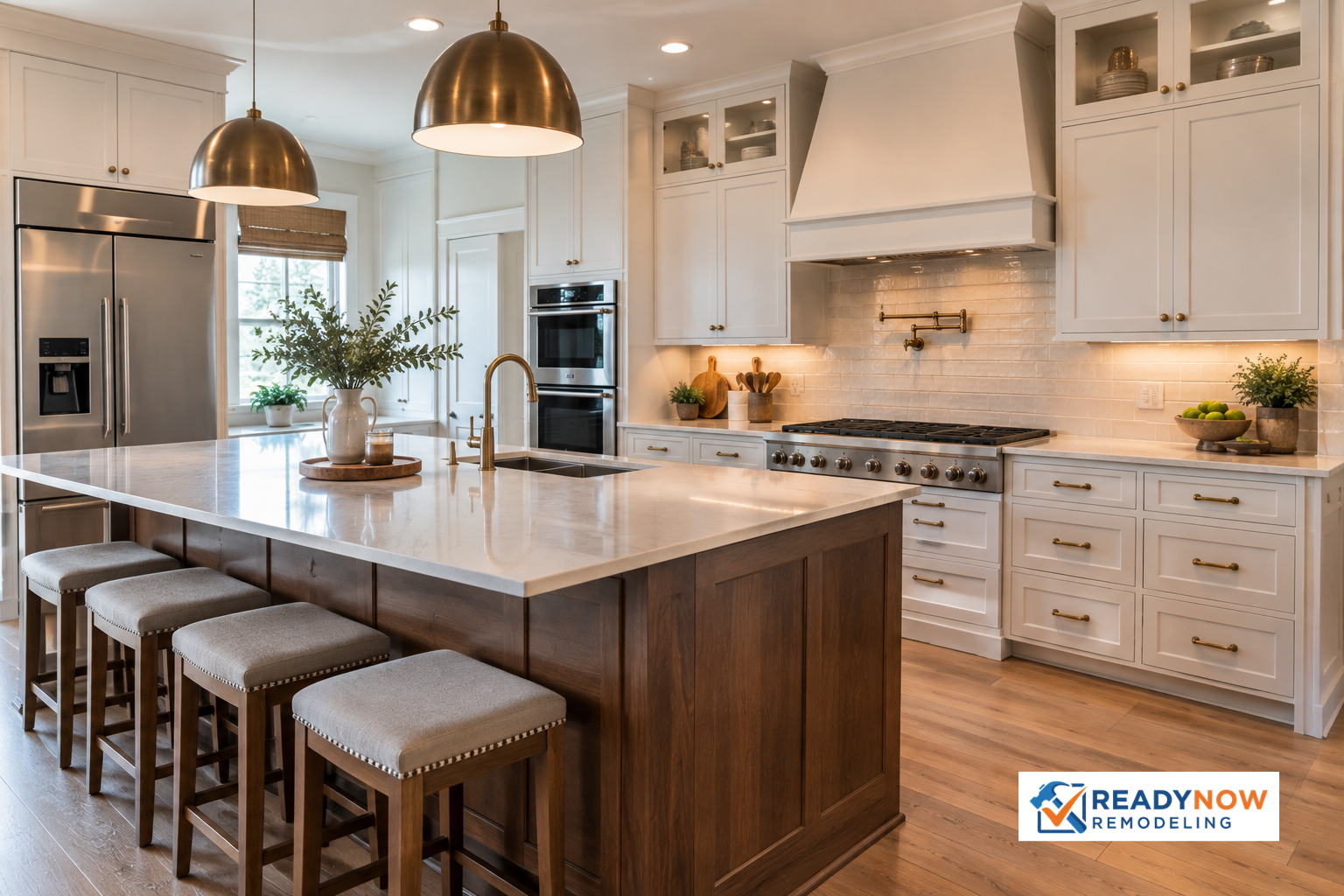
Choosing the perfect remodeling contractor can be the key difference between a smooth renovation and one that's stressful and over budget. Whether you're planning to upgrade your kitchen, refresh your bathroom, or transform your whole home, the contractor you pick will influence how the project runs, the quality of the results, and your overall experience. If you’re looking at making big changes, check out our services for whole-home remodeling and kitchen remodeling to match your goals with the right team.
This guide will help you define your goals, vet potential candidates, compare estimates, and spot any red flags before you even sign a contract. It includes practical insights from trustworthy sources like the Federal Trade Commission’s advice on home improvement contracts at consumer.ftc.gov and the U.S. Small Business Administration’s tips on evaluating contractors at sba.gov. By the end, you'll know exactly what to look for and how to make a confident decision.
Start With a Clear Remodeling Plan
Define your scope before you request bids.
Kick things off with a well-defined project. Before gathering estimates, jot down what you want to change, why, and what success looks like for you. If you're planning a bathroom remodel, you might care most about better storage and improved lighting, while another person might focus on resale value. The clearer your plan, the easier it is for contractors to give you accurate pricing and realistic timelines.
It’s also helpful to prioritize function over aesthetics, especially for projects like interior renovations or space reconfiguration. Think about whether your priority is family flow, more storage, or fast turnaround, and communicate this to your contractor.
Set a budget range and timeline.
Every remodeling project should start with a budget and a realistic time frame. Your budget doesn’t need to be exact at first, but it should reflect what you're comfortable investing. If your budget and project scope don't align, a good contractor can suggest alternatives like material substitutions or phased work. The Joint Center for Housing Studies at Harvard University notes that homeowners continue to invest in updates that improve livability and long-term value, making planning even more important.
Be upfront about timing, too. If you have a deadline, like a school year or move-in date, let your contractor know. Contractors can often work with tight deadlines if they know about them before starting. Setting clear expectations helps avoid costly surprises later.
Research Potential Contractors Thoroughly
Ask for referrals and use trusted directories.
Personal referrals are one of the best ways to find reliable contractors. Ask friends, neighbors, or local groups who they hired, what went well, and what they might do differently. Folks who have completed similar remodels can offer great advice on communication, cleanliness, schedule adherence, and change-order handling.
Online research should back up referrals, not replace them. Check out contractor websites, reviews, and professional directories like the National Association of the Remodeling Industry. Compare examples of projects like bathroom remodeling and home additions to see if a contractor regularly handles work similar to yours.
Review portfolios and real project photos.
A good portfolio shows more than just polished final images. Look for before-and-after photos, detail shots, and examples of different project sizes. This helps you verify workmanship, not just style. Planning an open-concept conversion? Check for evidence that the contractor can handle wall removal, transitions, lighting adjustments, and cleanup.
When you review photos, pay attention to details. Are tile lines straight? Do cabinets look level? Clean and consistent trim? These details show how much care the contractor brings to the job and are just as important as the bigger design ideas.
Verify Credentials, Insurance, and Specialization
Confirm the right licenses and coverage.
Before you hire anyone, confirm the contractor's licensing and insurance requirements in your area. Licensing rules vary by state and trade, so don’t assume. The Texas Department of Licensing and Regulation offers useful consumer information on construction-related professions. Checking credentials protects both your investment and your home.
Insurance is just as vital. Ask for proof of general liability coverage and workers’ compensation, and verify that the documents are current. If a contractor can't provide this info quickly and confidently, it’s a red flag. Even for smaller projects, coverage protects you from financial risk if damage or injury happens during construction.
Choose a specialist, not just a generalist.
Remodeling is broad, and not every contractor is equally skilled at every type of work. Some excel at kitchens, others at additions, and others have deep experience with structural changes. If your project involves framing changes or wall removal, you want a contractor who routinely handles structural considerations, permits, and inspections. Their experience can save time and reduce the risk of rework.
Specialization also matters for finish quality. A contractor who frequently completes trim carpentry, cabinet installation, or countertop installation will likely notice details that a less specialized crew might miss. When you speak with candidates, ask what types of remodeling they do most often and request examples of similar projects.
Evaluate Communication and Professionalism
Responsiveness tells you a lot.
One of the best ways to predict a good remodeling experience is how well the contractor communicates before the project starts. Do they return calls promptly? Do they answer questions clearly? Do they explain the next steps in an easy-to-understand way? Strong communication during the sales process often reflects strong communication during construction.
Professionalism shows up in small details. A contractor who sends organized proposals, arrives on time for meetings, and follows up with notes is signaling that they manage their work carefully. This matters in complex projects like garage conversions or ADUs, where permits and scheduling need to stay aligned.
Look for transparency about challenges.
Good contractors don't promise perfection; they explain potential issues clearly. They should be able to discuss unknown conditions, potential change orders, and realistic timelines. Kiplinger advises homeowners to ask direct questions about timeline, payment schedule, and warranty coverage before signing, as these discussions often reveal transparency. You can read more at Kiplinger’s contractor question guide.
Transparency is especially important when work involves electrical, plumbing, or structural elements. If a contractor is vague about handling hidden damage or code-related updates, proceed cautiously. A trustworthy professional will outline what’s included, what might change, and how changes will be approved before extra costs are added.
Compare Detailed Estimates the Right Way
Ask for itemized bids, not rough guesses.
An estimate should provide more than a single number. Ask for itemized pricing that separates labor, materials, allowances, demolition, permits, and contingency items. This helps you compare contractors on an apples-to-apples basis and prevents one bid from appearing cheaper because it excludes important details. A clear proposal should also explain what’s not included to avoid misunderstandings later.
Detailed estimates are useful for projects with multiple material choices, like flooring or tile. If you’re considering flooring, tile, or painting, ask each contractor to specify product allowances and installation assumptions. This way, you can compare value instead of just a bottom-line figure.
Understand local market pricing.
Pricing varies depending on project size, labor availability, material selections, and complexity. In Dallas, contractor rates often range from $50 to $150 per hour or 10% to 25% of the total project cost, depending on the work. These figures are broad estimates, not guarantees, but they help you understand if a bid is unusually low or high. A very low bid may signal missing scope, while a high bid may reflect premium service or specialty labor.
Use pricing data as a context check, not the only decision factor. A slightly higher bid can still be the best value if it includes superior planning, stronger warranties, and better supervision. When evaluating the quote, consider if the contractor has demonstrated the expertise needed for your project and if their communication gives you confidence.
Read the Contract Before You Sign Anything
Make sure the scope is crystal clear.
A written contract should be detailed enough that everyone knows what will happen, when, and how changes will be handled. It should include the full scope of work, payment schedule, materials, start and finish targets, and procedures for revisions. The Federal Trade Commission recommends homeowners get contracts in writing and keep copies of every agreement and change order. This can protect you if questions arise later.
For major projects like whole-home remodeling or home additions, a strong contract is more than paperwork; it’s the roadmap for the entire job. It should also explain who’s responsible for permits, inspections, cleanup, and site protection. If a contractor is unwilling to put these details in writing, that’s a sign to keep looking.
Check payment terms and warranty language.
Be cautious with payment structures that require a large upfront deposit. A reasonable deposit is normal, but excessive advance payments can expose you to unnecessary risk. Payments should ideally be tied to milestones that reflect actual progress, like demolition or final installation. This structure keeps both parties accountable.
Warranty terms matter too. Ask what’s covered, how long coverage lasts, and what process you must follow to make a claim. Material warranties may differ from labor warranties, and that distinction should be clear. Clear warranty language is one of the easiest ways to tell if a contractor stands behind their work.
Watch for Red Flags Early
Recognize risky behavior before it becomes a problem.
Some warning signs are easy to miss if you’re excited about moving forward. Be careful if a contractor pressures you to sign immediately, refuses to provide references, avoids written estimates, or demands a lot of cash up front. Other red flags include vague answers, poor follow-through, and overly optimistic promises that don’t account for permits or inspections. Kiplinger and other consumer finance sources consistently warn homeowners to take their time when these issues appear.
It's also wise to be wary of bids that are dramatically lower than others. This difference may indicate the contractor misunderstood the scope, plans to substitute lower-quality materials, or expects to add costs later. A trustworthy contractor will welcome questions and explain how their estimate was built.
Request references and case studies
References are helpful, but case studies can tell you even more. Ask to see completed projects similar to yours and, when possible, speak with past clients about communication and schedule management. A real-world example gives you insight into how the contractor performs when surprises arise, like hidden plumbing issues. That matters because almost every remodel uncovers something unexpected.
For instance, a contractor experienced in basement finishing or attic conversions should be able to explain how they handled insulation, egress, code compliance, and finish details on prior jobs.
Match the Contractor to Your Project Type
Different remodels require different strengths
A contractor who excels in cosmetic upgrades might not be ideal for a project with structural demands. If you want a lighter refresh, a team that specializes in home makeovers and cosmetic renovations may be a strong fit. If you want a more complex transformation, you may need a company with experience in structural planning and coordinating trades.
Think about how your remodel will affect daily life. If your household needs more space, a contractor familiar with room additions or garage conversions may be better suited than one who focuses only on finish work. The right match balances design ability and technical expertise.
Use current trends to guide your interview questions.
Today’s remodeling trends emphasize flexible layouts, durable finishes, and energy-conscious updates. This means the best contractor should discuss not only style but also performance and long-term practicality. Ask how they approach natural light, storage, and low-maintenance materials. If they can talk about these topics clearly, that’s a strong sign they understand modern homeowner priorities.
You can also ask how they coordinate related upgrades like windows or doors. Contractors who handle window replacement, door installation, or exterior renovations often understand how one part of the remodel affects the whole property.
Conclusion: Choose the Contractor Who Earns Your Confidence
Make the decision based on value, not just price.
The right remodeling contractor should give you confidence in communication, professionalism, expertise, and accountability. By defining your goals clearly, researching candidates carefully, verifying credentials, comparing detailed bids, and insisting on a strong contract, you improve your chances of a successful project. The lowest price isn’t always the best value, especially with complex jobs.
Take your time, ask direct questions, and choose the contractor who shows clear thinking and consistent follow-through. This approach will help you avoid common remodeling headaches and create a result that feels worth the investment for years to come. If you're planning a project and want a team that values clear planning and dependable craftsmanship, explore our interior renovations and whole-home remodeling services to see how a thoughtful approach can transform your home.
Next steps for homeowners
- Write down your project goals, budget range, and ideal timeline.
- Collect at least three contractor referrals and review recent portfolios.
- Verify licenses, insurance, and relevant project experience.
- Compare itemized estimates and ask follow-up questions.
- Review the contract carefully before signing and keep every document.
If you’re ready to move forward with a remodeling project and want a team that understands how to improve layout, function, and finish quality, contact ReadyNow Remodeling at (214) 247-6397 or email info@readynowremodeling.com. A well-chosen contractor can turn a stressful renovation into a successful upgrade that improves the way you live every day.