Your Guide to Budget-Friendly Remodeling in Dallas, TX: Plan Smart, Spend Less
Remodeling your home should be thrilling, not financially draining. The bright side is that sticking to a budget is totally doable if you start with clear goals, realistic costs, and smart choices. Whether you’re updating a kitchen, refreshing a bathroom, or reworking your entire layout, good planning helps you get the best bang for your buck. Thinking of a bigger project? Services like whole-home remodeling and kitchen remodeling can be customized to fit your vision without breaking the bank.
This guide will show you how to plan a remodeling project without blowing your budget. We’ll cover practical tips, current trends, and real-life examples. You'll discover how to set a sensible spending plan, spot hidden costs, compare contractor bids, and find updates that deliver the best return. If you need expert help with layout changes, energy-efficient materials, and functional upgrades, ReadyNow Remodeling offers solutions that balance style, durability, and cost.
Why bother with a budget? Well, nearly half of home renovations go over budget due to changes in scope, hidden damage, or poor initial planning. The best way to avoid this? Start with a solid plan and a financial cushion. For more tips, check out our article on keeping your project stress-free.
Start With a Clear Remodeling Goal
Know Why You're Doing the Project
Every budget-friendly remodel begins with one question: what problem are you trying to solve? Some people need more storage, others want better flow, and some just want to replace old finishes. When your goals are specific, it’s easier to make smart choices and avoid costly detours. A project focused on function usually gives better long-term value than one driven by impulse upgrades.
Consider a kitchen renovation aimed at improving cooking efficiency. It might prioritize cabinetry, countertops, and lighting over luxury decor. A bathroom update focused on daily comfort might spend more on plumbing fixtures, waterproofing, and durable tile than on high-end extras. If you’re aiming for a better layout, space reconfiguration can help improve room flow without expanding the footprint.
Separate Needs from Wants
It’s easy to get carried away during the design phase with features that are appealing but not essential. To keep spending in check, divide your wish list into three categories: must-haves, nice-to-haves, and future upgrades. Must-haves are items that affect safety, function, or compliance with codes. Nice-to-haves are features you’d enjoy if the budget allows. Future upgrades are ideas that can wait for another time.
This method keeps the budget from being eaten up by decorations before tackling core issues. It also helps your contractor understand what matters most, allowing them to suggest cost-effective alternatives. If you’re planning a remodel in a Dallas home with older systems or a dated floor plan, prioritizing correctly can make a big difference in both cost and outcome.
Build a Budget That Reflects Real Costs
Start With a Realistic Number
Before any demolition begins, decide on the maximum amount you’re comfortable spending. Then subtract at least 10 to 15 percent for unexpected costs. This cushion isn't optional; it's a key way to prevent stress when surprise issues pop up, like hidden wiring or plumbing problems. Experts often recommend an even higher cushion, particularly for older homes or projects that involve opening walls.
Homeowners who start with a vague target often underestimate labor, permit fees, material delivery, and temporary living costs. A well-rounded budget should include design work, permits, inspections, construction, finishes, cleanup, and a reserve for changes. For financial guidance on remodeling, the Consumer Financial Protection Bureau offers helpful advice about borrowing and planning.
Cover the Full Project Scope
Budgeting isn’t just about the visible changes. It also involves less obvious costs like trash removal, protective coverings, delivery fees, and temporary repairs to adjacent areas. If your project involves layout changes, you might also need engineering review or framing changes. These details can add up quickly if you don’t identify them early.
Homeowners planning larger transformations might consider services like wall removal, framing changes, or home additions, but each requires careful cost planning. By mapping the whole scope before work starts, you lower the chance of surprise expenses that could blow your budget.
Use Data to Keep Expectations Real
Cost overruns are common because remodeling involves unpredictable variables. A kitchen might seem straightforward but reveal outdated electrical systems once you start. A bathroom could need extra waterproofing or subfloor repair. Even simple cosmetic work can expand if design choices change midway through the job.
To improve your odds, set a budget range rather than a fixed number. This gives you room to make informed adjustments without ditching the project. To stay disciplined financially, compare your estimated costs with resources like the U.S. Department of Housing and Urban Development.
Prioritize High-Impact Improvements First
Focus on Function Before Luxury
Budget-conscious remodeling is about value, not just savings. The smartest projects improve daily function and resale appeal. Start with structural repairs, layout efficiency, storage solutions, and durable materials before splurging on premium finishes. A beautiful remodel that solves the wrong problem is still an expensive mistake.
If a kitchen has poor workflow, the best initial investment might be cabinetry layout or countertops rather than a decorative backsplash. If a bathroom feels cramped, investing in better layout design and bathroom remodeling can create comfort and functionality that last for years. When you prioritize the right things, your money works harder for you.
Choose Materials With Long-Term Value
More homeowners are choosing sustainable and durable materials to reduce replacement costs over time. Recycled or low-maintenance surfaces, energy-efficient appliances, and resilient flooring might cost more upfront but often save money through lower utility bills and fewer repairs. Smart tech also plays a role, especially with programmable thermostats, automated lighting, and efficient windows.
If your remodel involves finishes, consider options that fit both your style and maintenance tolerance. Durable choices for flooring, tile, and cabinets can create a polished result without forcing you into a luxury price tier. For more insights on selecting materials wisely, read our article on choosing the right materials for your home remodel.
Get Multiple Bids and Compare More Than Price
Request at Least Three Quotes
One of the most reliable ways to control remodeling costs is to get multiple bids. Asking for at least three estimates helps you spot unrealistic pricing and major differences in scope. A quote that looks cheaper at first might leave out permit work or cleanup. Comparing bids side by side gives you a clearer picture of true market value.
When reviewing contractor proposals, check the scope line by line. Are materials included? Is demolition included? Does the schedule match your expectations? Is there a clear process for changes? If one quote is far below the others, it might mean missing items rather than savings. A transparent, detailed estimate is usually more reliable than a vague low number.
Consider Experience, Communication, and Local Knowledge
Price matters, but so do professionalism and coordination. A remodel can go over budget when communication breaks down, or the contractor is unfamiliar with local rules and permits. This is crucial for projects like open-concept conversions or whole-home remodeling, where multiple trades and inspection steps must align. A well-organized contractor can save money by preventing mistakes and delays.
If you’re remodeling in Dallas, local knowledge matters because climate, materials, and building requirements all impact cost. Heat-resistant products, efficient windows, and code-compliant construction methods help protect your investment. Cross-check permit and code expectations through local government resources before work begins.
Plan for Permits, Codes, and Hidden Conditions
Don’t Skip Approvals and Inspections
Permit requirements might seem like a hassle, but ignoring them can lead to costly problems later. Unpermitted work might result in fines, delays, insurance issues, or failed resale negotiations. Projects involving plumbing, electrical changes, structural modifications, or additions almost always need proper review. Planning for permits early keeps your budget accurate and your project timeline realistic.
For official code and safety guidance, homeowners can consult the U.S. Department of Energy’s energy-saving resources and local building departments. If your project includes windows, insulation, or HVAC-related upgrades, energy efficiency rules may affect your choices. Often, spending a little more on compliant work reduces future operating costs and improves comfort.
Expect Surprises Behind the Walls
Hidden conditions are a major reason remodeling budgets spiral. Once walls are opened, you might find water damage, outdated wiring, rot, or previous DIY work that needs correction. These issues aren’t always visible during initial walkthroughs, which is why contingency funds are so important. Budgeting for the unexpected isn’t pessimism; it’s practical planning.
Projects like drywall repair, painting, or interior renovations might seem straightforward, but they often reveal underlying problems once old finishes come off. The more your remodel involves walls, plumbing, or framing, the more important it is to prepare for hidden conditions. A financial cushion lets you solve problems without sacrificing the entire design.
Know Where DIY Helps and Where It Hurts
Choose DIY Tasks Wisely
Doing some work yourself can cut labor costs, but only if the tasks match your skill level and project timeline. Safe, manageable DIY items often include painting, simple demolition, hardware replacement, or basic cleanup. These tasks can free up budget for more technical work that should be handled by pros.
DIY gets risky when it involves plumbing, electrical work, structural changes, or anything that needs inspection. Mistakes in those areas can cause delays, rework, or safety hazards that cost more than the original savings. If you’re considering a modest bathroom upgrade, handling cosmetic prep while leaving technical work to professionals can be a balanced approach. Services like bathroom remodeling and painting work well together when roles are clear.
Protect the Schedule When You DIY
The hidden cost of DIY is time. A task that seems simple might stretch over weekends and delay other trades, pushing the total budget higher. For instance, if flooring installation is waiting on a homeowner to finish a prep step, the contractor might have to reschedule. That can create additional labor charges or disrupt material delivery.
To avoid this, be honest about your available time and technical comfort level. Only take on tasks you can complete promptly and cleanly. If you’re unsure, ask your remodeling team to help you identify where DIY truly adds value rather than risk. This planning is especially useful in projects involving flooring services, trim carpentry, or cosmetic updates.
Use Smart Design Choices to Stretch the Budget
Keep the Layout When Possible
One of the best ways to save money is to keep the existing footprint and major utility locations. Moving plumbing lines, electrical systems, or load-bearing walls increases labor and permit complexity fast. When you can achieve a better result by improving finishes, storage, and flow instead of moving everything, you usually protect your budget.
That doesn’t mean layout changes are off the table. It means they should be intentional. If an open plan truly improves circulation and daily living, it can be worth the investment, especially with careful planning and accurate estimates. Our page on open-concept conversions explains how to create connected spaces while managing costs.
Mix Premium and Mid-Range Finishes
You don’t have to choose between cheap and luxurious. Many successful remodels use a mix of materials to create a polished result without overspending. For instance, homeowners might invest in durable countertops and quality cabinets while choosing mid-range lighting or standard trim profiles. This approach creates visible value where it matters most.
Similarly, a bathroom project might use premium tile in the shower and simpler finishes elsewhere. A kitchen might pair statement cabinetry with cost-effective backsplash materials. The key is understanding which items have the biggest visual and functional impact. This principle is especially helpful for projects like cabinet installation and countertop replacement.
Case Studies: What Budget Discipline Looks Like
A Kitchen Remodel That Stayed on Track
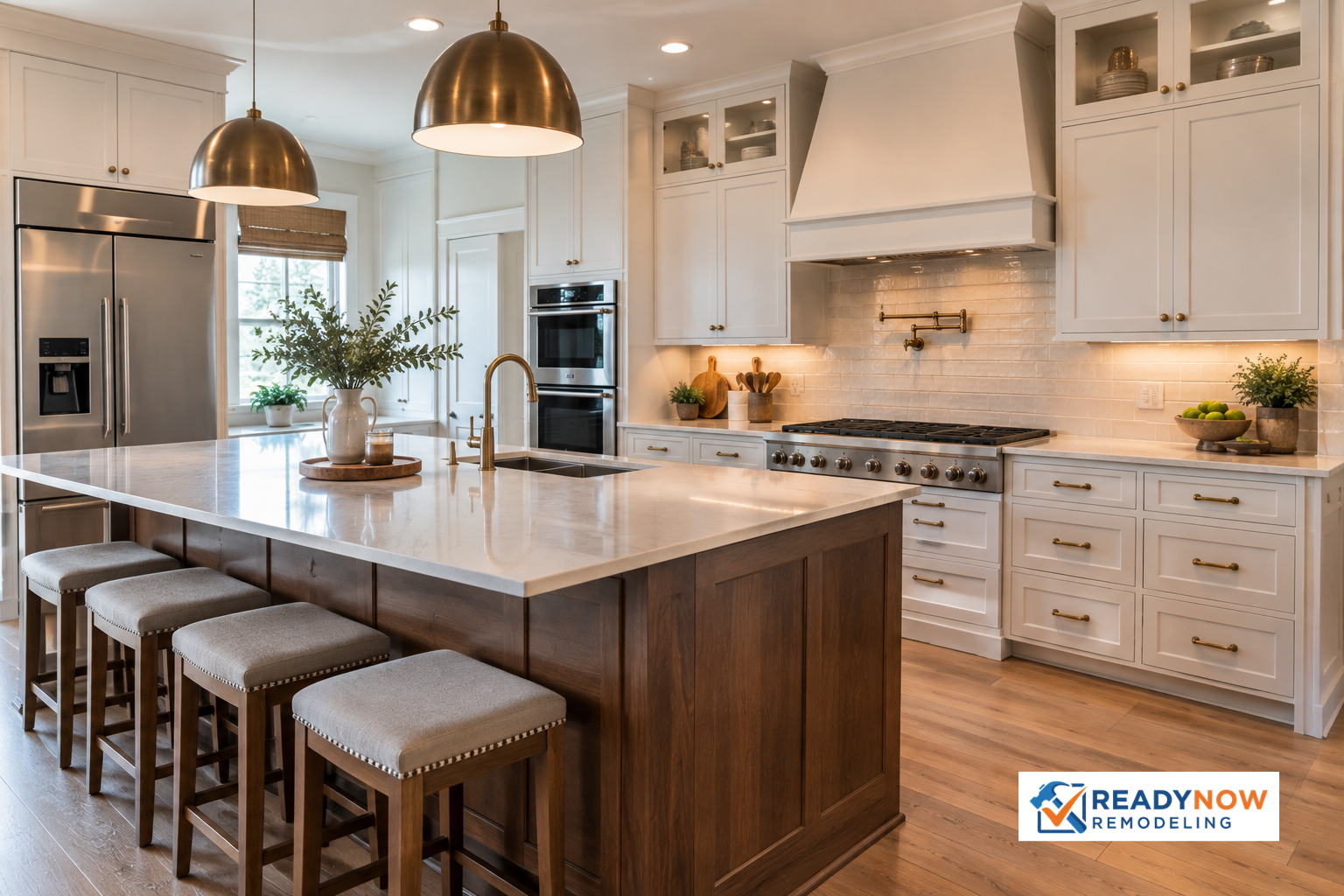
One Dallas homeowner planned a kitchen remodel with a budget around eight percent of the home’s value, about $40,000. Instead of chasing premium finishes in every category, the focus was on durable materials, better lighting, and energy-efficient appliances. The result was a fresh-looking kitchen that functioned better and added resale value without a runaway budget.
This outcome shows how smart choices can pay off. By prioritizing cabinetry layout, work surfaces, and efficiency upgrades, the homeowner avoided overspending on decorative features. The project aligned with common remodeling tips and created a clear value-to-cost balance.
A Bathroom Update That Stayed on Track
Another homeowner completed a bathroom update for about $10,000 by choosing mid-range fixtures and handling painting independently. The project focused on usability rather than a complete luxury transformation. Smart tradeoffs made the bathroom feel cleaner, more comfortable, and modern while staying within budget.
Projects like this prove that a lower budget doesn’t mean lower satisfaction. If core issues are fixed—like layout, lighting, moisture protection, and finishes—small spaces can feel dramatically improved. For compact or shared households, options like room share conversions or PadSplit-style remodels can be planned with strong cost discipline.
Common Budget Questions Homeowners Ask
How Can I Prevent Budget Overruns?
Start with a clear scope, build in a contingency fund, and avoid frequent design changes once work begins. Get detailed bids, compare material allowances, and ask for a realistic schedule before signing. The fewer unknowns you leave at the beginning, the fewer surprises during construction.
Also, choose a contractor who communicates well and documents changes clearly. Many overruns happen because a project grows in small increments rather than one major decision. For extra planning help, check out our guide on how layout changes can make your Dallas home more functional.
Is It Worth Paying More for Higher-Quality Materials?
Sometimes yes, but not always. Higher-quality materials often reduce maintenance, improve durability, and add resale appeal. However, if premium selections consume funds that should go toward structural fixes, plumbing, or layout improvements, they might not be the best first investment.
A good rule is to spend more where wear and tear will be highest, and less where visual impact is limited. This principle works well in kitchens, bathrooms, and other high-use rooms. If you’re unsure where to invest, a remodeler can help you distinguish between meaningful upgrades and optional luxuries.
Finish Strong With a Clear Plan and Trusted Team
Review Every Detail Before Construction Starts
Before the first hammer swings, review the final scope, material selections, schedule, and payment terms. This is the best time to catch missing items and reduce the likelihood of changes. A careful preconstruction review might feel tedious, but it’s one of the strongest defenses against overspending.
Homeowners should also confirm how communication will happen during the job. Will you get regular updates? How will decisions be approved? Who handles unexpected findings? These questions matter, because a well-managed process often costs less in the end. If your project includes a larger transformation, whole-home remodeling and home additions require especially disciplined coordination.
Choose a Remodeling Partner Who Thinks Long Term
The right contractor does more than build; they help you make smarter decisions about scope, sequencing, and value. That’s important when you want to stay within budget without sacrificing quality. A skilled team can suggest where to save, where to invest, and how to phase work if needed.
ReadyNow Remodeling helps Dallas homeowners improve how their homes look, work, and feel through clear planning and dependable craftsmanship. From home makeovers to more complex remodels, the goal is to create a result that supports daily living and long-term value. If you’re ready to discuss your project, call (214) 247-6397 or visit ReadyNowRemodeling.com to take the next step.
Conclusion: Budget Control Starts With Smart Choices
Learning how to plan a remodeling project without going over budget is really about making intentional decisions from the very beginning. When you set priorities, include a contingency fund, compare bids carefully, and stay focused on function, you dramatically reduce the chances of surprise costs. Smart remodeling isn’t about cutting corners; it’s about putting money where it creates the greatest value.
If you’re planning a remodel in Dallas and want help turning ideas into a realistic plan, ReadyNow Remodeling can help you move forward with confidence. Whether you’re improving one room or rethinking your whole home, the best time to control the budget is before construction starts. Contact our team today to discuss your goals, explore your options, and build a remodel plan that supports your vision without financial strain.