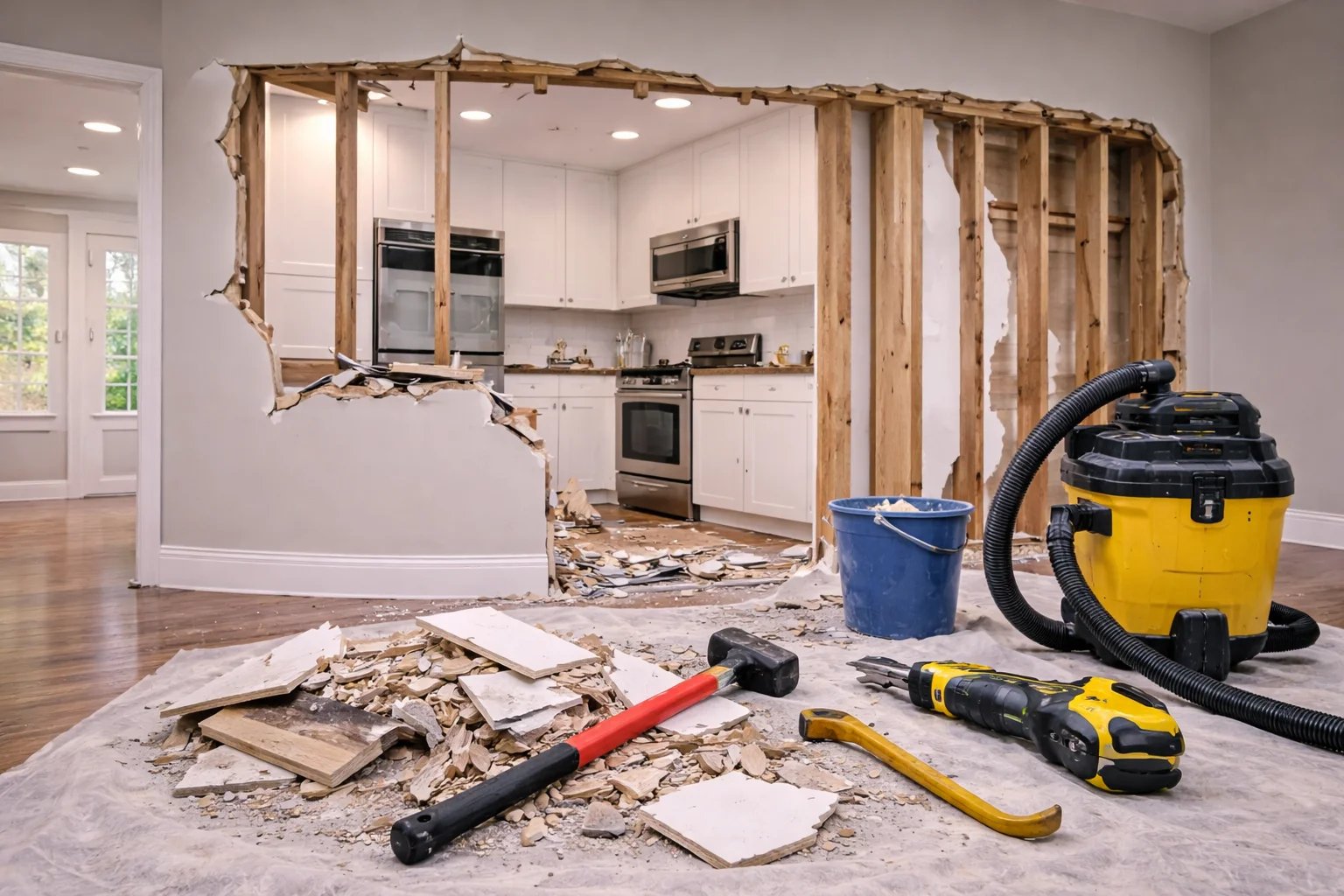
The Complete Guide to the Demolition Phase: What Happens During Your Home Remodel
Starting a home remodel is exciting, and the demolition phase is where things really start to change. In this guide, you'll learn what happens during demolition, why planning matters, which modern techniques are used, and how to avoid costly surprises. Whether you're updating a bathroom or transforming your whole house, this article breaks down the demolition process step by step and offers practical tips to keep your project on track.
Why the Demolition Phase Matters
Setting the Stage for a Successful Renovation
Demolition isn't just about tearing down walls. It's the foundation of a successful remodel. A clean and well-done demolition reveals the existing structure, exposes utilities for relocation, and creates a safe working environment for the next steps. If demolition is rushed or incomplete, hidden issues like rot, insect damage, or outdated wiring can throw off schedules and budgets.
Protecting Structural Integrity
Proper demolition protects the parts of your home you want to keep. Skilled crews know how to spot load-bearing elements and preserve necessary framing while removing non-structural parts. This care prevents accidental damage, keeps your home safe, and reduces unexpected repair costs during the building phase.
Aligning Expectations and Budgets
Understanding what demolition might uncover helps you align your expectations with your budget. Contractors perform assessments to anticipate potential discoveries and set aside contingency funds. Planning keeps the demolition phase from becoming an unexpected expense and helps the project move forward smoothly.
For those considering major work, like reworking floor plans or full remodels, planning with professionals who understand demolition-first sequencing can be valuable. Our whole-home remodeling service integrates demolition planning early to minimize surprises and streamline the timeline.
Planning, Permits, and Pre-Demolition Tasks
Initial Assessment and Pre-Demo Inspection
Thorough initial assessments are essential. This includes visual inspections for water damage, termite activity, mold, and structural issues, and might require specialists like structural engineers or pest control inspectors. Documenting existing conditions with photos and reports protects both the homeowner and contractor and is useful for permits and insurance.
Permits, Codes, and Notifications
Most demolition work requires permits and inspections from local authorities. Checking local code requirements and securing permits in advance avoids costly shutdowns and fines. Contractors typically handle permits and inspections, ensuring work complies with building codes and safety regulations.
Utility Disconnections and Safety Measures
Before any tools arrive, utilities need to be safely disconnected or capped. This includes electricity, gas, plumbing, and HVAC systems. Coordinating with utility providers and issuing notifications reduces risks to workers and homeowners and ensures the work area is safe from accidental service interruptions.
Resources like Consumer Reports suggest thorough pre-demo inspections and contingency planning to reduce the risk of budget overruns from hidden structural issues. Early investment in inspections can save money and time later.
Selective Demolition and Sustainable Approaches
What Is Selective Demolition?
Selective demolition targets specific parts of a structure for removal while preserving others. This careful approach allows the salvage of valuable materials like hardwood flooring, cabinets, doors, and structural timbers. Selective demolition supports reuse and recycling, reducing disposal costs and environmental impact.
Benefits of Reuse and Recycling
Repurposing materials reduces landfill waste and supports a circular economy. Salvaged wood and fixtures can be reused in the same project or sold, offsetting some demolition costs. Besides the environmental perks, reclaimed materials add character and savings to a renovation when used thoughtfully.
How Professionals Plan Selective Demolition
Experienced teams create a salvage and disposal plan before starting. This plan includes identifying materials for reuse, coordinating removal and storage, and arranging transport to salvage yards or recycling facilities. A documented plan reduces delays and ensures the right materials are protected during demolition.
Selective demolition is becoming more popular in home remodeling. Contractors offering specialized salvage plans can turn a demolish-and-dispose mindset into a chance to recover valuable materials for future use.
Advanced Demolition Techniques and When to Use Them
Robotic Demolition and Precision Tools
Robotic demolition uses remote-controlled equipment to break down structures in tight or hazardous spaces, boosting precision and safety. These machines reduce worker exposure to dust and debris and cause less vibration than traditional heavy equipment, which is crucial in dense neighborhoods or older homes with delicate foundations.
High-Reach Equipment and Controlled Implosions
High-reach excavators and, in rare cases, controlled implosions allow efficient removal of tall structures while keeping a controlled debris field. While controlled implosion is typically reserved for large commercial projects, high-reach tools are common in residential settings where reaching elevated areas is necessary without damaging nearby structures.
When to Choose Advanced Methods
Advanced demolition techniques are useful when precision, speed, or safety concerns outweigh the cost of specialized equipment. Urban projects, homes with fragile neighboring structures, or spaces with hazardous materials may benefit from robotic or high-reach methods. A contractor's recommendation should weigh factors like site constraints, budget, and schedule.
For background on demolition practices, the Wikipedia demolition entry offers an overview of techniques and safety considerations used worldwide.
Step-by-Step: The Demolition Process
Mobilization and Site Preparation
Demolition begins with mobilization: setting up barriers, protective coverings, and designated walkways. Crews establish a debris containment plan, dust control measures, and access points for heavy equipment and trucks. Protecting landscaping, retained finishes, and neighboring properties ensures the process doesn't cause avoidable damage.
Deconstruction and Material Removal
Deconstruction starts with non-structural elements, moving to structural components as needed. Crews remove finishes, fixtures, cabinets, and flooring, then proceed to framing and load-bearing elements. During this phase, salvageable materials are separated, and hazardous materials like asbestos or lead paint are handled by specialized abatement teams to comply with regulations.
Structural Demolition and Clean-Up
Once non-structural elements are removed and assessed, structural demolition is carefully handled under engineering guidance. Temporary shoring may be installed before removing load-bearing walls. After demolition, the site is cleaned, debris is sorted for recycling or disposal, and a final inspection ensures the space is ready for the next phase.
If your remodel involves reconfiguring interior layouts, services like wall removal and framing changes coordinate with demolition to ensure structural safety and code compliance while creating the new desired floor plan.
Managing Surprises: Contingencies, Inspections, and Budget Control
Common Hidden Problems Revealed by Demolition
Demolition often exposes hidden problems such as termite damage, dry rot, water intrusion, outdated wiring, or framing that doesn't meet current code. These discoveries can change the scope of work if they require structural repairs, mold remediation, or system upgrades, so anticipating them is key to staying on budget and schedule.
Setting a Realistic Contingency
Experts recommend building contingencies into remodeling budgets, often between 10-20% depending on project complexity and the home's age. Having a contingency fund provides flexibility when unexpected structural repairs or code-required upgrades appear. Clear communication between the contractor and homeowner ensures contingency funds are used appropriately and transparently.
Inspection Points and Approval Gates
After critical phases, like utility disconnection, hazardous material abatement, and structural demolition, inspectors may need to verify compliance before work continues. Scheduling these inspections in advance prevents unnecessary delays. Contractors often coordinate inspections and gather documentation to ensure each step meets local code requirements and passes official review.
Sustainability, Waste Management, and Environmental Considerations
Sorting, Recycling, and Disposal Best Practices
Modern demolition projects prioritize material sorting to divert waste from landfills. Metal, concrete, brick, glass, and certain woods are commonly recycled, and salvageable items are cataloged for reuse. Proper sorting shortens landfill haul times, reduces disposal fees, and decreases the environmental footprint of a renovation.
Hazardous Materials and Responsible Abatement
Older homes may contain hazardous materials like asbestos, lead paint, or PCBs. Licensed abatement professionals must handle these substances to protect occupants and workers and to comply with environmental laws. Proper disposal and certified documentation protect homeowners from future liability and ensure a safe construction environment.
Regulatory and Resource Guidance
For guidance on construction waste management and sustainable material handling, authoritative resources such as the U.S. Environmental Protection Agency provide best practices and regulatory information. Learn more at the EPA's construction and demolition debris resource: EPA: Sustainable Management of Construction and Demolition Materials. These guidelines help teams prioritize recycling and responsible disposal throughout the demolition phase.
Case Studies: Real-World Examples and Lessons Learned
Whole-Home Transformation: Planning Ahead
Case studies from design-build firms show the value of integrating demolition planning early in the design process. One example involved a full-home remodel where selective demolition preserved original hardwood and structural timbers for reuse. Early engagement of architects and contractors minimized surprises and allowed reclaimed materials to be incorporated into the new design, reducing costs and preserving character.
Storm Damage Restoration and Careful Demolition
Projects involving storm damage highlight the importance of careful demolition to identify structural compromise. A restoration firm documented existing damage and coordinated with structural engineers to remove only the damaged sections, enabling a faster rebuild while ensuring safety. The result was a safer, more resilient home after reconstruction.
Design-Build Collaboration for Smooth Sequencing
The design-build approach emphasizes collaboration between designers and builders from day one. Firms using this model plan demolition sequences to align with structural changes, mechanical relocations, and finish schedules. These projects often finish faster and with fewer change orders because demolition and rebuilding are planned holistically rather than in isolated phases.
For homeowners in the Dallas-Fort Worth area considering major changes, understanding local remodeling trends can be helpful. In DFW, full-home remodels and open floor plans are common goals, and professional teams that manage demolition and reconstruction together achieve smoother outcomes. If you are thinking about an open floor plan, learn more about our open-concept conversion services to see how careful demolition supports those designs.
Post-Demolition: Inspections, Preparation, and Next Steps
Final Inspections and Documentation
After demolition is complete, the contractor coordinates final inspections to sign off on structural modifications, electrical re-routing, and plumbing changes. Documentation from demolition photos, salvage logs, and disposal receipts is provided to homeowners and inspectors. This paper trail protects both parties and is useful for future resale or warranty purposes.
Preparing the Site for Reconstruction
With the site cleared and approved, the construction phase begins. This includes framing, rough-in of systems, insulation, and drywall installation. At this stage, homeowners often revisit finish selections and confirm timelines. Clear communication with your builder ensures the reconstructed space aligns with original design goals and scheduled milestones.
Finishes, Salvage Integration, and Value-Adding Upgrades
Post-demolition is the ideal time to integrate salvaged materials and select upgrades that add long-term value. New systems like energy-efficient windows, updated HVAC equipment, and low-flow plumbing fixtures can be added with relative ease after demolition. Services such as flooring, cabinets, and countertops are coordinated to deliver the finished look you envisioned once the structural and rough-in work is complete.
Comprehensive FAQ: Answers to Common Demolition Questions
How Long Does Demolition Typically Take?
A standard demolition for a single bathroom or kitchen might take a day or two, while a partial-home demolition for layout changes can take several days. Whole-home demolition for a full remodel may take multiple weeks, depending on complexity, salvage efforts, and the need for hazardous material abatement. The timeline depends on permits, inspection windows, and site logistics.
Will Demolition Damage My Home's Foundation or Neighboring Properties?
When performed by licensed professionals, demolition is executed to protect the foundation and neighboring structures. Protective measures, careful sequencing, and vibration-minimizing equipment reduce the risk of damage. If your property is older or near other homes, discuss vibration control and shoring plans with your contractor before work begins to address any specific concerns.
How Much Should I Budget for Demolition?
Costs vary widely based on scope, salvage plans, hazardous material removal, and local disposal fees. Budgeting an accurate contingency (typically 10-20%) helps manage unexpected discoveries like structural damage. Contractors provide itemized estimates that include demolition labor, disposal, permit fees, and potential abatement costs to give you a clear financial picture.
Can I Salvage Items During Demolition?
Yes. Many homeowners salvage items themselves with contractor coordination, while others let the contractor handle salvage and storage. If you plan to keep salvaged materials, communicate that before work starts and document where items will be stored to avoid accidental disposal.
Conclusion: How to Make Demolition Work for Your Remodel
Demolition is a complex but vital phase of any remodeling project. With careful planning, selective demolition practices, and modern techniques, homeowners can reduce waste, control costs, and protect structural integrity. Early inspections, realistic contingencies, and clear communication with your contractor are the best ways to avoid surprises and maintain momentum throughout the project.
If you're ready to start a remodel, ReadyNow Remodeling helps Dallas homeowners plan demolition as part of a comprehensive remodeling strategy. From kitchen remodels to full-house transformations and carefully managed bathroom renovations, our team coordinates demolition and rebuilding to deliver predictable results and beautiful finishes. Contact ReadyNow Remodeling to schedule a consultation and get expert guidance on demolition planning, timelines, and budgets.
Call us at (214) 247-6397 or email info@readynowremodeling.com to begin. When demolition is done right, it creates the foundation for a successful remodel and a home that works better for how you live.