So sometimes, the smallest changes can make a huge difference in how your home looks, feels, and works. You don't always need a complete overhaul to see big results. Instead, focus on key updates that improve your daily spaces, boost your home's appeal, and create a comfy, cozy environment without turning your life upside down.
Recent studies show that many homeowners are still keen on remodeling, with data indicating that 50% plan to renovate, spending around $15,000 on average. Kitchens are the top choice for upgrades, with 26% of homeowners picking that room first. This makes sense because even small tweaks in crucial areas can add tremendous value. If you're exploring smart ways to upgrade, consider options like home makeovers and cosmetic renovations or interior renovations to make meaningful changes without a complete redo.
In this guide, let's dive into the power of small remodeling changes, identify the projects that deliver the best results, and learn how to plan updates that fit your budget and lifestyle. We’ll also share real-world examples, expert tips, and practical advice to help you prioritize the projects that will make your home work better for you. If you're looking for broader strategies, check out our guide to layout changes.
Why Small Remodeling Changes Pack a Punch
They Improve Everyday Spaces
The best upgrades are often the ones you interact with daily. Think about a new vanity in the bathroom, updated cabinet hardware in the kitchen, or a fresh coat of paint in the living room. These changes don’t have to be dramatic to make a difference; they just need to remove hassle and modernize what you see most often.
When a room becomes easier to use, you notice it right away. Better lighting boosts visibility, refreshed surfaces seem cleaner, and updated finishes can make your whole home feel newer. If the change is in a high-traffic area, it impacts your overall impression every time you walk through the door.
They Quickly Boost Your Home's Perceived Value
Home value isn't just about size. Buyers respond strongly to first impressions, visual consistency, and signs that a home has been well cared for. Strategic improvements like new doors, fresh trim, improved flooring, or upgraded countertops can make a house feel more polished and ready to move into. Even small updates can affect how potential buyers view the property.
Many homeowners focus on visible, high-return remodeling projects before selling or refinancing. National data backs this up, showing that renovation activity is high, with homeowners prioritizing projects that enhance daily function and long-term value. That's why targeted remodeling is a smart investment, not just a cosmetic touch-up.
They Cut Costs and Chaos
Major renovations can be rewarding but often come with long timelines, hefty costs, and more chaos at home. Small remodeling changes offer a more manageable path. Many can be completed in days or weeks rather than months, meaning less dust, fewer temporary workarounds, and a quicker return to normal life.
For busy families, remote workers, or anyone wanting a better home without turning life upside down, small updates can make a big difference. Services like painting or flooring can offer a dramatic visual change with minimal downtime.
Top Remodeling Projects to Prioritize
Kitchen Updates That Modernize Without a Full Overhaul
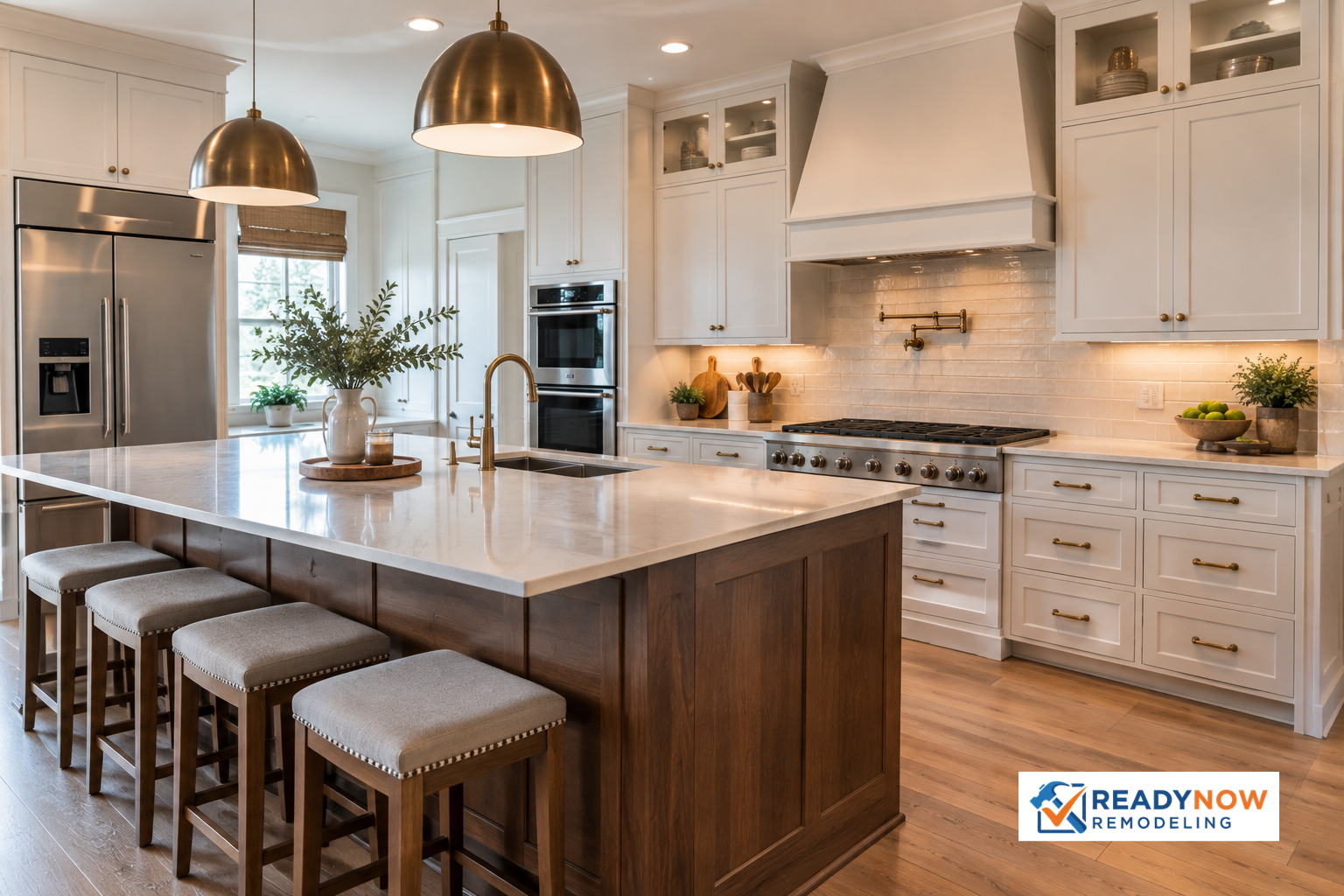
Start with the kitchen; small changes here can have a big visual impact. Updated cabinet fronts, a new backsplash, better lighting, and improved countertops can freshen up the room. Often, kitchens look dated not because of the layout but due to tired finishes or inadequate storage.
If the cabinets are still in good shape, replacing doors or refreshing the finish might be enough to transform the room. Pair that with new countertops and updated lighting, and the kitchen can look significantly more expensive without a complete overhaul. For deeper improvements, kitchen remodeling can help rethink efficiency, storage, and traffic flow while keeping the project scope controlled.
Bathroom Refreshes for Comfort and Style
Bathrooms are another great option for small, strategic upgrades. A dated mirror, old fixtures, worn flooring, or an inefficient vanity can make the whole room feel older than it is. Replacing these elements with cleaner, more modern finishes immediately changes the room's feel.
Simple bathroom updates can also improve cleanliness and maintenance. Better tile, improved ventilation, and updated lighting can make a bathroom easier to care for and more enjoyable to use. If the room needs a bigger reset, bathroom remodeling can modernize the layout while preserving budget and time where possible.
Paint, Trim, and Lighting to Tie It All Together
Sometimes the biggest transformation comes from improving the home's foundation of finishes. Fresh paint, updated trim carpentry, and better lighting can make disconnected rooms feel more cohesive. These updates are especially powerful in homes where the layout is fine, but the visual style feels inconsistent.
Lighting deserves special attention because it changes both mood and functionality. Replacing old fixtures, adding task lighting, or layering ambient and accent light can make rooms feel larger and more welcoming. Combined with professional trim carpentry and door upgrades, the result is a clean, finished look that elevates the entire interior.
Where Small Changes Shine the Brightest
Front Entry and Curb Appeal
The front of the home creates the first emotional response for visitors and buyers. A freshly painted front door, updated house numbers, improved landscaping, and modern exterior lighting can dramatically change curb appeal. These changes are often affordable, but they shape how the entire property is perceived.
According to the U.S. Department of Energy, better-performing windows and doors can also help improve comfort and energy efficiency over time. If your exterior feels dated, exploring exterior renovations or window replacement may produce both visual and functional gains.
Living Spaces That Feel Bigger and Brighter
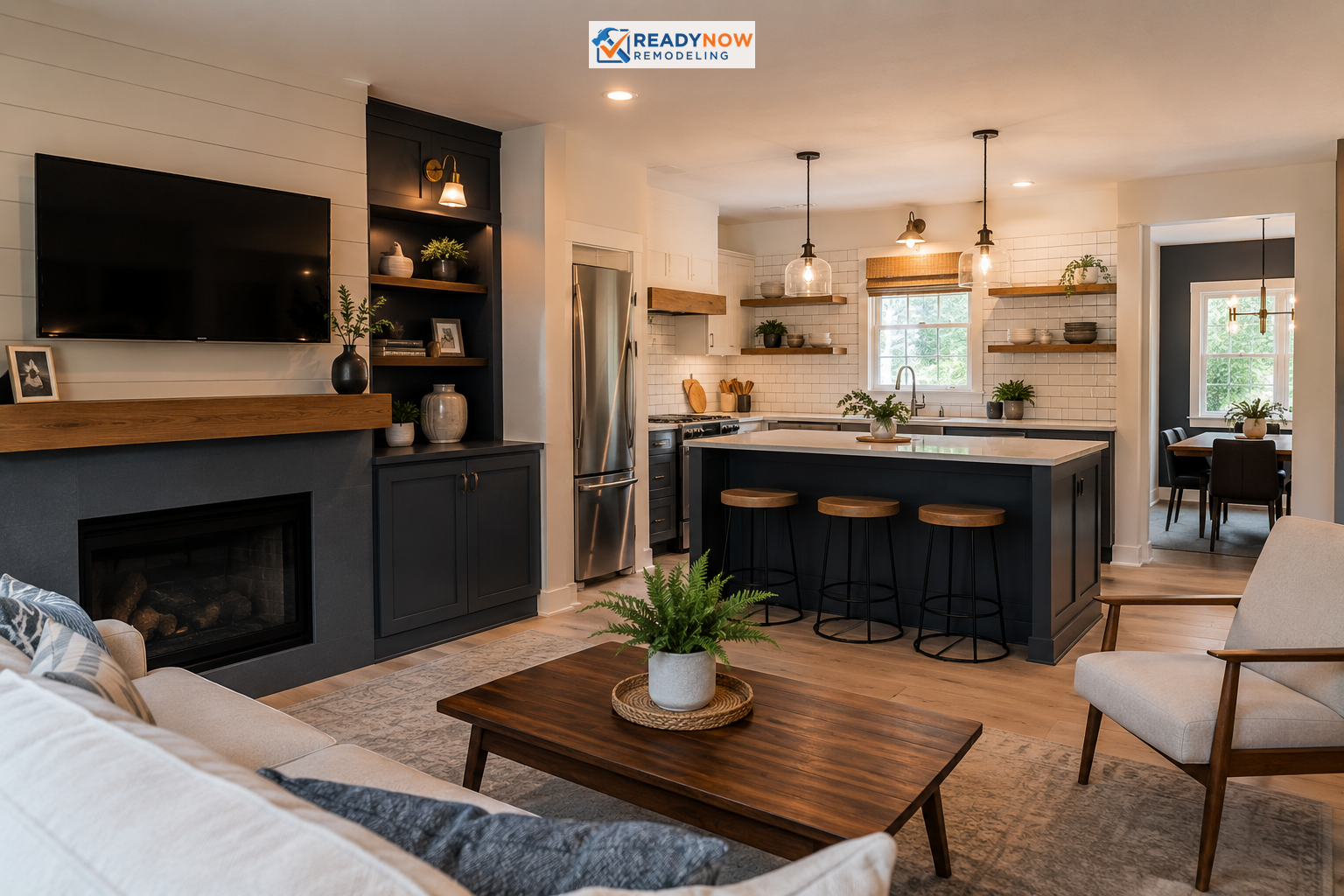
Living rooms and family rooms benefit from changes that improve openness, flow, and light. Removing visually heavy finishes, replacing bulky built-in furniture, and opening up sightlines can make a room feel more spacious. Even without changing square footage, you can create the impression of a larger home through smarter design choices.
For those who want a more connected feel, open-concept conversions or space reconfiguration can create better movement between rooms. In some homes, a partial wall removal or a small framing adjustment may be all it takes to make the floor plan feel completely different.
Storage and Built-Ins to Cut Clutter
One of the most overlooked remodeling upgrades is better storage. Clutter can make a beautiful home feel chaotic, while smart built-ins and organized storage make a space feel calm and functional. A custom bench, a pantry refresh, or added cabinetry can have a surprisingly large effect on how a household operates.
These improvements are especially valuable in smaller homes where every inch matters. Adding useful storage doesn't just create order; it makes rooms feel intentional. If you need a more tailored approach, custom cabinets can improve both organization and visual appeal in kitchens, bathrooms, mudrooms, and living areas.
How to Pick the Right Small Remodeling Projects
Focus on What Bugs You, Not Trends
The best remodeling plans start with what annoys you the most. Is the kitchen hard to clean? Is the bathroom too dark? Does the entryway feel cramped? Focusing on daily annoyances ensures your budget goes toward improvements you'll feel right away, not just cosmetic changes that look good in photos.
Trends are great for inspiration, but they shouldn’t drive your decisions. A project is more valuable when it solves a practical issue and fits your home’s current setup. That's why a thoughtful consultation can make such a difference before any work begins.
Balance Looks with Practical Benefits
Not every project needs to solve a big functional problem, but the best ones usually do both. A new backsplash may be beautiful, but if it also makes cleanup easier, the value increases. Similarly, replacing outdated flooring can improve durability, reduce maintenance, and refresh the design at the same time.
When deciding where to spend, rank projects by how much they improve your daily experience. A smart mix might include drywall repair and finishing, new flooring, and a fresh paint update. Together, these smaller changes can make a home look fully refreshed even without a major structural remodel.
Consider the Timeline and Household Impact
Small remodeling projects are appealing because they can often be completed quickly, but every project still requires planning. Materials need to be ordered, work areas may need protection, and some spaces may be temporarily unusable. Being realistic about the timeline helps reduce stress and makes the process feel smoother.
This is especially important for projects involving kitchens, bathrooms, or shared living spaces. A good plan should account for how your household will function during the work. If you want guidance on scheduling and coordination, our timeline planning article explains why even small projects benefit from careful preparation.
Real-World Examples of Small Changes Making a Big Difference
Case Study: Opening Up a Dated Living Area
One clear example of high-impact remodeling is improving flow. In a real-world renovation example, removing dividing walls and adding support beams transformed a 1980s home into a more open, cohesive space. The change didn’t require a full rebuild yet dramatically improved how the home felt and functioned.
That kind of result shows why layout adjustments matter. A home doesn’t always need more square footage to feel better; sometimes, it just needs a clearer relationship between rooms. Even modest structural changes can improve movement, natural light, and the sense of connection within the home.
Case Study: Merging Underused Spaces
Another example involved combining a small kitchen, dining room, and formal living area into one larger, more harmonious space. The structural work created a more flexible layout that better matched how the homeowners lived. Rather than forcing the family to adapt to outdated room divisions, the remodel adapted the house to the family.
That principle applies to many small changes. You may not need to add a room to gain better living conditions. You may simply need smarter use of what already exists, which is why wall removal and framing changes can be so powerful when handled properly.
Common Low-Cost Updates with Visible Results
Some of the most effective small changes include new hardware, updated fixtures, better lighting, a clean backsplash, fresh trim, and new paint. These upgrades are often less expensive than owners expect, yet they have a strong visual payoff. They also tend to age well because they improve the overall quality of the space rather than chasing a narrow style trend.
For homeowners who want a fast transformation with minimal disruption, this category is often the best place to start. The improvements are manageable, but the final effect can be surprisingly substantial.
Budget-Friendly Tips for Smart Remodeling
Set a Clear Priority List
A strong remodeling budget starts with priorities. List the projects that would improve daily life the most, then rank them by urgency and return. This helps prevent overspending on items that are visually appealing but less important than the underlying function of the room.
It also makes it easier to phase the work. You might begin with paint and lighting, then move to cabinets or flooring later. That staged approach allows homeowners to capture progress quickly while preserving budget for bigger opportunities.
Choose Durable Materials Where They Matter
Small remodels still need materials that hold up over time. It can be tempting to cut costs everywhere, but savings are most valuable when they don’t reduce durability. In kitchens and bathrooms especially, better-performing materials often save money in the long run because they last longer and require less maintenance.
The U.S. General Services Administration and other building resources emphasize the importance of selecting materials for long-term performance. For homeowners, that means focusing on surfaces and fixtures that suit the room’s use. If you’re unsure where to invest, talk through options for countertops, tile, and cabinet finishes before making final decisions.
Work with the Existing Structure When Possible
One of the best ways to save money is to keep a remodel aligned with the home’s current structure. Moving plumbing, changing load-bearing walls, or altering major systems can add cost quickly. When the layout already has good bones, a cosmetic or semi-structural update may offer the best combination of value and efficiency.
That is why experienced planning matters. Homeowners often get better results when a contractor helps them identify which changes will create the biggest impact with the least disruption. In many cases, the smartest answer is to enhance what is already there rather than replace everything at once.
How to Make Small Changes Feel Cohesive
Use Consistent Colors and Finishes
A remodel feels more successful when the finished spaces look like they belong together. Consistent color palettes, repeated metal finishes, and related textures create visual calm. Without that cohesion, even nice updates can feel disconnected or unfinished.
Good design doesn’t require every room to match perfectly. It simply requires enough continuity that the home feels intentional. A similar approach works well for trim details, flooring transitions, and fixture choices across multiple rooms.
Improve Transitions Between Rooms
Transitions are often overlooked, yet they make a huge difference in how a house feels. Doorways, hall connections, flooring changes, and sightlines all shape the experience of moving through the home. When these transitions are handled well, the whole space feels more polished.
That is why even a small update like replacing old doors or refining openings can make a noticeable difference. Better transitions are part of what makes a house feel thoughtfully renovated instead of patched together.
Think About the Home as a Whole System
Every small change should support the larger experience of living in the home. If you update one room but ignore the rest, the effect may be limited. But when paint, flooring, storage, lighting, and finishes work together, the home feels more unified and valuable.
For those considering a broader refresh, whole-home remodeling can provide a coordinated plan that brings multiple smaller upgrades together under one design vision. That is often the most effective way to improve the home without wasting effort on isolated fixes.
FAQ: Small Remodeling Changes and Big Results
What are the Most Cost-Effective Remodeling Projects?
Painting, lighting upgrades, new fixtures, refreshed backsplashes, updated flooring, and improved trim details are among the most cost-effective options. These projects are relatively affordable, but they influence how clean, modern, and functional a home feels. They are especially valuable when several are completed together.
How Do Small Changes Affect Home Value?
Small changes improve perceived value by making a home look better maintained, more modern, and easier to live in. Buyers often respond strongly to visual freshness and functional convenience. Even if a project doesn't dramatically increase square footage, it can still improve marketability and support a stronger asking price.
How Long Do Small Remodeling Projects Take?
Many small remodels can be completed quickly, often in a few days or a couple of weeks depending on scope and material availability. Projects involving custom materials, electrical work, or structural changes may take longer. The advantage is that they usually cause less disruption than larger renovations.
Should I Remodel Before Selling?
It depends on the condition of the home and the local market. If the property needs visible updates to stay competitive, small strategic improvements can be worthwhile. If the home is already in good condition, targeted cosmetic upgrades may be enough to improve presentation without overinvesting.
Conclusion: Small Changes Can Completely Change the Way Your Home Feels
Small remodeling changes are powerful because they focus on the details that shape everyday life. When you improve the rooms you use most, eliminate hassle, and create a more cohesive look, your home can feel dramatically better without the cost or complexity of a full renovation. That's the real value of strategic remodeling: it gives you meaningful improvement where it matters most.
Whether you're updating a kitchen, refreshing a bathroom, improving storage, or rethinking a living area, the key is to choose projects with clear purpose. A thoughtful combination of cosmetic updates and smart functional improvements can raise comfort, enhance style, and improve long-term value. If you're ready to explore the right next step, ReadyNow Remodeling can help you plan updates that fit your goals, budget, and home.
To start a conversation about your project, explore our services or connect with our Dallas team. For homeowners ready to make their space work better, even a small change can be the beginning of a much bigger transformation.
Learn more about budget-friendly home transformations, interior upgrades, or kitchen remodeling to see how a focused plan can create a home that looks better, works better, and feels better every day.