Expert Guide to Open Concept Layouts: Is It Still the Right Choice for Your Home?
Open concept living has reshaped modern homes for years, but the talk around it has shifted. In 2026, homeowners aren't just asking if open layouts look good; they want to know if these layouts actually fit how their families live every day. If you're thinking about a remodel, this guide will help you understand the pros, cons, and newer alternatives to fully open floor plans so you can make the best choice for your home.
For many, the answer isn't to ditch openness entirely but to tweak it. That's where thoughtful design, layout planning, and services like open-concept conversions and space reconfiguration come in handy. When done right, these updates can make a home feel bright and connected without the chaos or noise. If you're also considering broader updates, whole-home remodeling can bring all these choices together into a cohesive design.
Research and design discussions show today's buyers and homeowners want more than one big room. They crave flexibility, privacy, and better zoning for cooking, working, relaxing, and entertaining. That's why broken-plan layouts, micro-zoning, and partial dividers are catching on as smart alternatives to the classic open-concept model. According to the U.S. Department of Energy, home design decisions also impact comfort and energy performance, especially when airflow, lighting, and room usage are considered together U.S. Department of Energy Energy Saver.
What Open Concept Layouts Do Well
They create visual space and better light flow
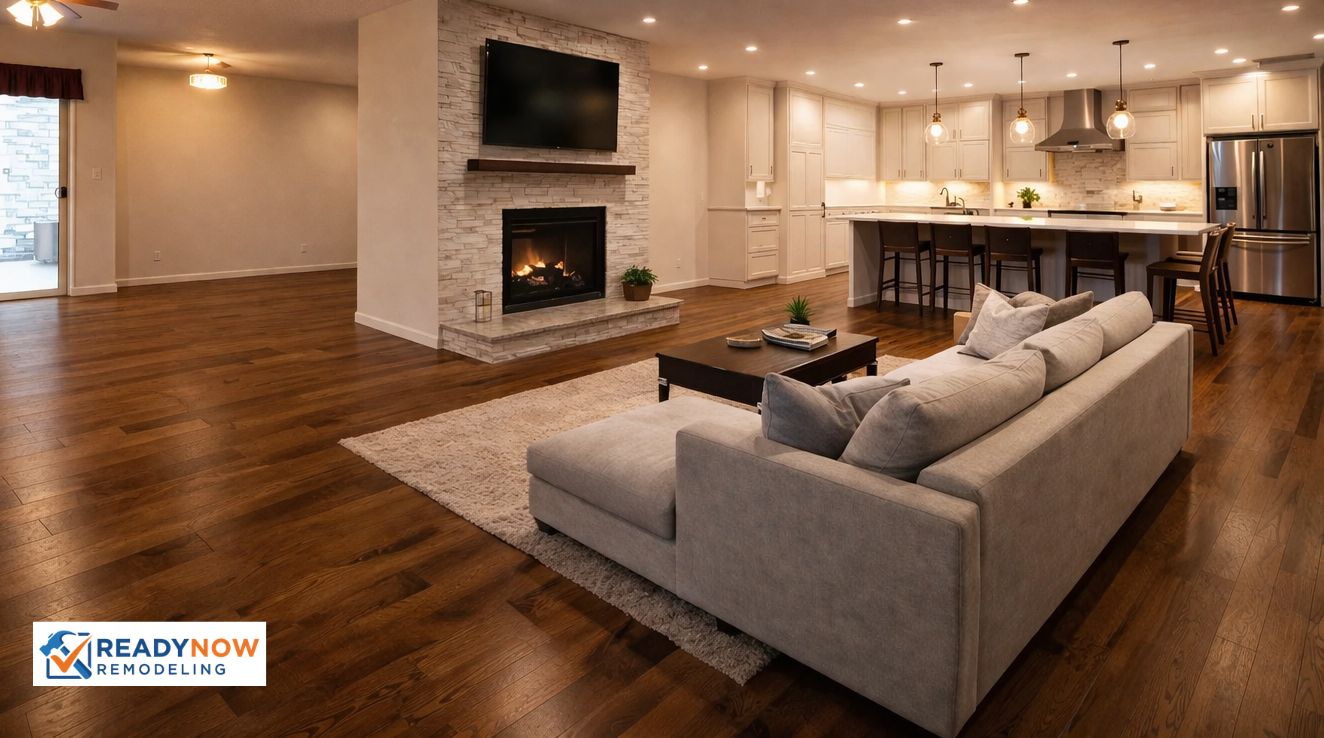
One big reason open concept homes became a hit is simple: they feel bigger. When walls come down, natural light travels farther, sightlines improve, and smaller homes often feel more spacious. This is especially valuable in homes where the kitchen, dining, and living areas are tight, and the owner wants a more modern feel without adding square footage.
Open layouts also make it easier to watch kids, greet guests, and move between daily activities. Families who like to cook while socializing often appreciate that sense of connection. A well-planned layout can reduce the feeling of being isolated in separate rooms, which is why many homeowners still start their remodel journey by exploring kitchen remodeling options that enhance flow and visibility.
They support entertaining and multi-use living
If you like hosting, an open floor plan can make gatherings feel more relaxed. Guests aren't boxed into separate rooms, and you can move between the stove, table, and sofa without breaking the conversation. This flexibility has been a core appeal of open living for years and remains a strong advantage for homeowners who prioritize social use of their space.
Even so, the openness that helps during a party can become challenging on a regular weekday. The same line of sight that makes entertaining easier can also expose clutter, amplify noise, and make the home feel busy when multiple activities happen at once. That's why the latest design conversations aren't about open versus closed but about balancing the space for a specific household.
Why Homeowners Are Reconsidering Fully Open Plans
Noise, clutter, and lack of privacy are common frustrations
As lifestyles changed, the downsides of fully open spaces became harder to ignore. A kitchen blender, TV, conference call, and homework session can all be in the same room. Without doors or partial barriers, sound carries quickly, and privacy is limited. This can be especially frustrating for remote workers, families with different age groups, and households where one person wants quiet while another is active.
Many homeowners also find that open spaces require constant tidiness. Since the main living areas are always visible, small messes become larger distractions. The kitchen sink, entryway clutter, and unfinished projects can all be seen at once. This can make a home feel less restful, even if it looks beautiful in staged photos. For those wanting a more comfortable daily experience, interior renovations can help improve function without sacrificing design quality.
Energy and comfort considerations matter too
Open concept layouts can also affect heating and cooling efficiency. Larger, connected rooms may be harder to regulate evenly, especially if the kitchen generates heat or the living area has large windows. While modern systems help, a home's layout still influences comfort and energy use. The National Association of Home Builders has long emphasized that residential design trends evolve as homeowners seek spaces that serve more than one purpose.
This is why newer layout strategies aim to combine openness with zones that support different functions. Instead of using one huge area for everything, designers find ways to keep light, movement, and visual connection while reducing the downsides of a fully open space.
The Rise of Broken-Plan Layouts in 2026
Partial walls and cased openings add definition without closing things off
Broken-plan design is a clear response to the limits of traditional open concept living. Instead of removing every barrier, homeowners use partial walls, casement openings, pocket doors, shelves, or half-height partitions to define zones while maintaining openness. This creates structure without making a house feel cut up or isolated.
Designers like this approach because it allows each area to keep its own identity. A dining space can feel calmer, a kitchen more functional, and a living area more relaxed. At the same time, the rooms still visually relate to one another. If your current layout feels too exposed, wall removal can be part of the solution, but it can also be paired with selective framing and layout adjustments through framing changes to preserve the right balance.
Privacy can improve without sacrificing modern style
Broken-plan layouts are especially helpful for families that want to divide the space into useful sections without losing the modern, connected feel of an open home. A small wall near the kitchen can hide prep mess. A pocket door can temporarily separate a study or play area. A built-in feature can guide circulation and create a visual anchor. These details make the home feel more intentional and less generic.
This trend is showing up in cities where homes must work hard for busy households. In Dallas, for example, homeowners often want a layout that can handle entertaining, work-from-home routines, and quiet evenings all in the same footprint. That's why design plans increasingly integrate doors, partial dividers, and custom transitions rather than relying on a fully open concept from one end of the home to the other.
Micro-Zoning: The New Way to Think About Space
Furniture and décor can define purpose within one room
Micro-zoning is one of the most practical interior design trends of 2026. It uses furniture placement, area rugs, lighting, shelving, and decorative elements to create smaller “moments” within a larger room. Instead of thinking about one giant open space, homeowners think about multiple activity zones that work together. This approach makes homes feel calmer, more flexible, and more personalized.
For example, a reading corner can be created with an accent chair, lamp, and side table. A work zone might use a desk, task lighting, and a visual divider behind the chair. A dining area can be framed with a pendant fixture and a rug. These small decisions make a big difference in how a room feels and functions. Interior designers increasingly recommend this approach because it gives order to an open living space without making the space rigid. You can also extend the idea through flooring transitions or coordinated finishes that visually separate zones without adding physical barriers.
Micro-zoning works in large and small homes alike
One common misconception is that zoning only matters in large homes. In reality, smaller homes can benefit even more because every square foot must work harder. A studio-like living area can still feel organized when a sofa anchors one part of the room and a console or shelving unit signals a different function. In bigger homes, micro-zoning helps prevent spaces from feeling empty or undefined.
Homes and Gardens has highlighted micro-zoning as a way to bring structure and calm to modern interiors, especially when homeowners want flexibility without clutter Homes & Gardens on micro-zoning. The concept is easy to understand but powerful in practice: a room should not just be open; it should be useful. That's why zoning has become such a central theme in modern interior design trends 2026.
How to Decide If Open Concept Is Right for Your Home
Start by studying your daily routines
The best floor plan is the one that supports how you actually live. Before making a decision, think about the daily patterns in your home. Do you cook while other people work or study nearby? Do you host gatherings often? Do you need quiet corners for calls, reading, or homework? If your family does several different things at the same time, a fully open layout may not be the best fit.
On the other hand, if you value visual connection, frequent interaction, and minimal barriers, an open plan can still work well. The key is to be honest about the tradeoffs. A layout that looks appealing in a photo but frustrates your daily routine is not a successful design. This is where thoughtful planning and services such as space reconfiguration can make the difference between a trendy space and a truly livable home.
Consider light, traffic flow, and family size
Light and circulation are major factors in layout design. If your home already has limited natural light, removing more walls may help brighten the space. But if traffic from the entry to the kitchen cuts straight through your main seating area, the room may need better boundaries. Likewise, larger families often need more separation than couples or single homeowners because multiple schedules can overlap at once.
It is also worth considering future life changes. A home that works for young children may not work the same way when teenagers need privacy or when a home office becomes essential. Remodeling decisions should be flexible enough to adapt over time. That's one reason many homeowners choose whole-home remodeling when the goal is not just a cosmetic update, but a long-term lifestyle improvement.
Remodeling Strategies That Balance Openness and Function
Use structural changes selectively
Not every wall should come down. In many homes, removing a single barrier or widening an opening creates enough openness to improve flow without eliminating the benefits of separation. Structural planning is important here because load-bearing walls, beams, and framing requirements affect what is possible. When handled correctly, selective changes can improve the layout while keeping the house stable and code-compliant.
If you're considering a larger transformation, it helps to understand what is involved before construction starts. A remodel usually involves design planning, demolition, structural review, and finish work. Our related guide on the demolition phase of a home remodel explains how those early steps shape the rest of the project. For homeowners who want to expand rather than just reorganize, home additions can also be a smart path when the current footprint cannot support the layout you need.
Choose finishes that reinforce zones
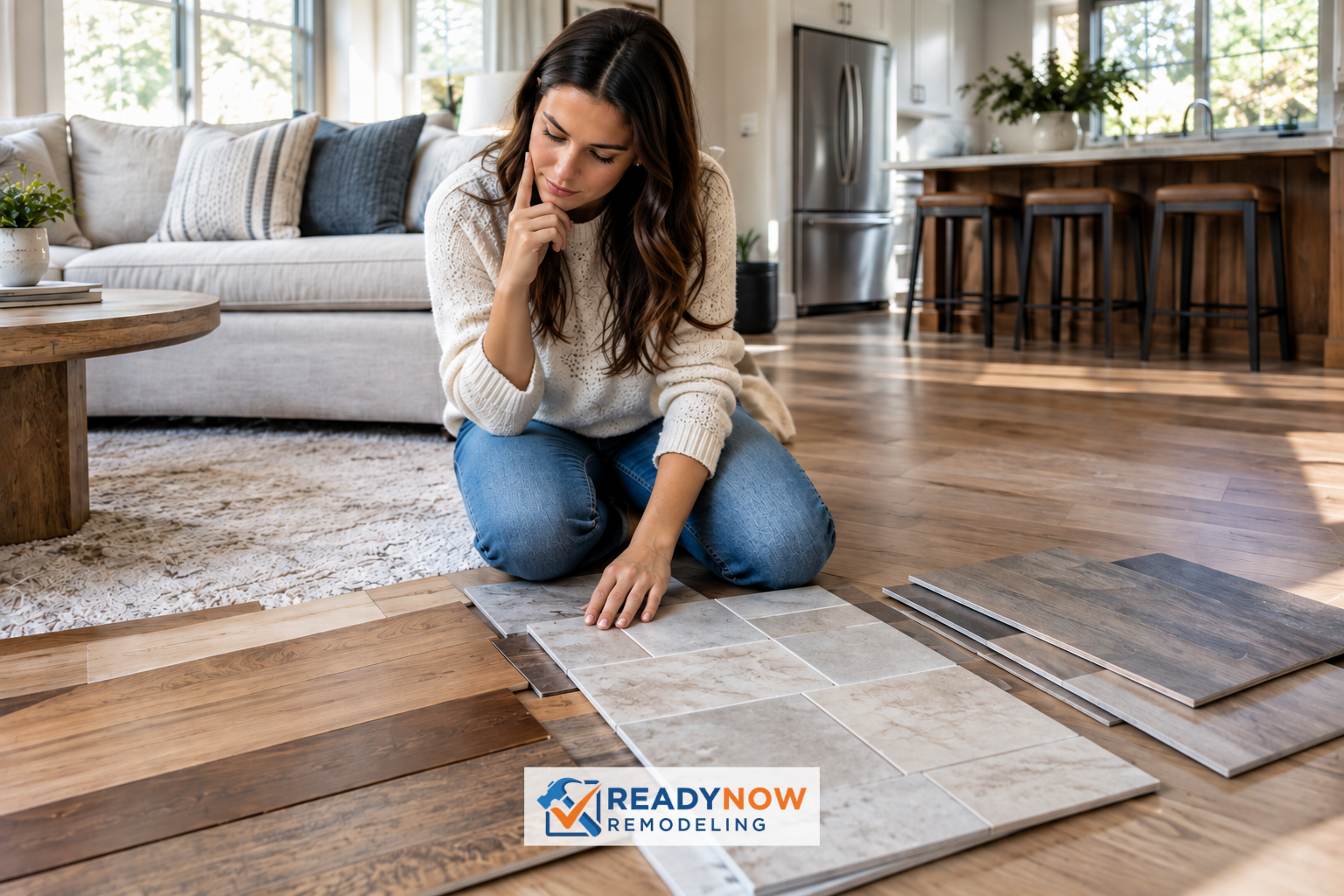
Finishes play a much bigger role in zoning than many homeowners realize. Different lighting temperatures, ceiling treatments, cabinet colors, flooring patterns, and trim details can all signal where one area ends and another begins. For example, a bold backsplash and task lighting can define the kitchen, while softer lighting and warmer paint may help the living zone feel more relaxed. Even subtle changes, like custom trim work or built-in storage, can make a room easier to understand and use.
That's why many remodels combine custom cabinets, countertops, trim carpentry, and painting in one coordinated plan. When the finishes work together, the layout feels intentional rather than improvised. This is especially valuable in homes where the kitchen, dining area, and living room all share one footprint.
Does an Open Concept Layout Add Value?
Buyer appeal depends on the market and the home’s function
Open layouts can still appeal to many buyers because they feel modern, bright, and connected. However, buyers are becoming more selective. Many now want the look of openness with the practicality of zones. That means a home with smart broken-plan features may actually appeal to a broader range of people than a fully open space with no privacy or acoustic control.
In markets with diverse household needs, a flexible layout often stands out more than a trendy one. Buyers want a home that supports work, family, entertaining, and quiet time without major changes after move-in. For that reason, layout quality matters just as much as square footage. The best resale appeal often comes from a house that feels easy to live in, not just easy to photograph.
Functional updates can support long-term value
When you invest in purposeful layout improvements, you're not only improving comfort but also increasing usefulness. That can include better circulation, more storage, improved sightlines, and spaces that can evolve with the household. Remodeling that addresses these issues tends to age better than purely decorative upgrades because it solves real problems.
Projects such as bathroom remodeling, garage conversions, and ADUs also reflect the same principle: modern homes need adaptable spaces. The more intentionally your rooms are designed, the more value they can bring over time, both in daily life and in resale conversations.
Common Questions About Open Concept Design
How can I keep an open feel without sacrificing privacy?
The simplest answer is to use partial dividers, furniture groupings, lighting, and carefully planned openings. You don't have to choose between a fully closed house and one giant room. Most homeowners are happiest somewhere in the middle, where views remain open but quiet areas still exist.
What are the best alternatives to a fully open floor plan?
Broken-plan layouts, micro-zoning, pocket doors, built-ins, and widened casing openings are all strong alternatives. Each one provides structure differently. The right choice depends on your family size, the architecture of your home, and how much change you want to make.
Will a more structured layout feel smaller?
Not necessarily. A well-designed zoned layout can actually feel more comfortable and efficient because each area has a clear purpose. When rooms are organized thoughtfully, they can seem calmer and more spacious even if the walls aren't completely removed.
Can zoning be done without major construction?
Yes. Many micro-zoning improvements can be completed with furniture, rugs, lighting, and color planning. For larger changes, you may also consider drywall, built-ins, or selective structural adjustments. The degree of renovation depends on how much separation or openness you want to achieve.
Final Thoughts: The Best Layout Is the One That Fits Your Life
Open concept is still useful, but it is no longer the only answer
Open concept layouts aren't outdated, but they're no longer the automatic default they once were. In 2026, homeowners are all about livability, privacy, flexibility, and intentional design. That's led to the rise of broken-plan spaces and micro-zoning, both of which keep the best parts of openness while cutting down on the drawbacks. The goal isn't maximum openness anymore; it's smarter openness.
If you're thinking about a remodel, start by considering how you use your home now and how you want to use it in the future. A layout that supports your routines will always be more valuable than one that follows a trend. If you're ready to explore options, a planning conversation with an experienced remodeler can help you understand what can be changed, what should stay, and how to create a home that feels right for your lifestyle.
ReadyNow Remodeling helps Dallas homeowners make these decisions with clear planning and dependable craftsmanship. Whether you're considering a new kitchen flow, a full reconfiguration, or a broader home update, the right remodeling strategy can transform the way your house works every day. If you want to improve the function, comfort, and long-term value of your home, now is the perfect time to start the conversation. Explore our Dallas, TX remodeling services or contact us to discuss your project goals.
Ready to create a home that feels open, organized, and truly livable? Take the next step with a remodeling plan built around the way you live today.