How Layout Changes Can Make Your Dallas Home More Functional
If your home feels too cramped or doesn't quite match your lifestyle, it might not be the size that's the problem, but the layout. Making some strategic adjustments can smooth out your daily routines, offer more privacy, and even boost your home’s value, all without adding square footage. Whether you're planning a small update or considering a major remodel, the right changes can make your home work better for you every day.
In 2026, many folks are rethinking how rooms connect, how spaces can serve multiple purposes, and how materials and tech can contribute to a more comfortable lifestyle. This is particularly true for those thinking about whole-home remodeling, as reconfiguring a floor plan often brings more noticeable improvements than just cosmetic updates. A balanced open-concept design, for example, can maintain a sense of spaciousness while giving each area a distinct function, which is why this trend continues to gain popularity. Research from the National Association of Home Builders shows many buyers now prefer open layouts with defined spaces for privacy, highlighting the value of thoughtful zoning.
This guide will walk you through how layout changes can boost functionality, which trends matter most, and what types of remodels provide the biggest everyday benefits. You’ll find practical examples, planning tips, and real-world scenarios to show how your home can become more livable without necessarily needing a full addition. If your home no longer fits your family’s habits, you’re in the right place.
Why Layout Changes Matter More Than You Think
Functionality is all about flow, not just size.
Many people think they need more room when what they really need is better room placement. A well-thought-out layout can reduce bottlenecks, improve sight lines, and make moving between cooking, relaxing, working, and entertaining areas easier. When daily movement feels natural, the home becomes more efficient and less stressful to use.
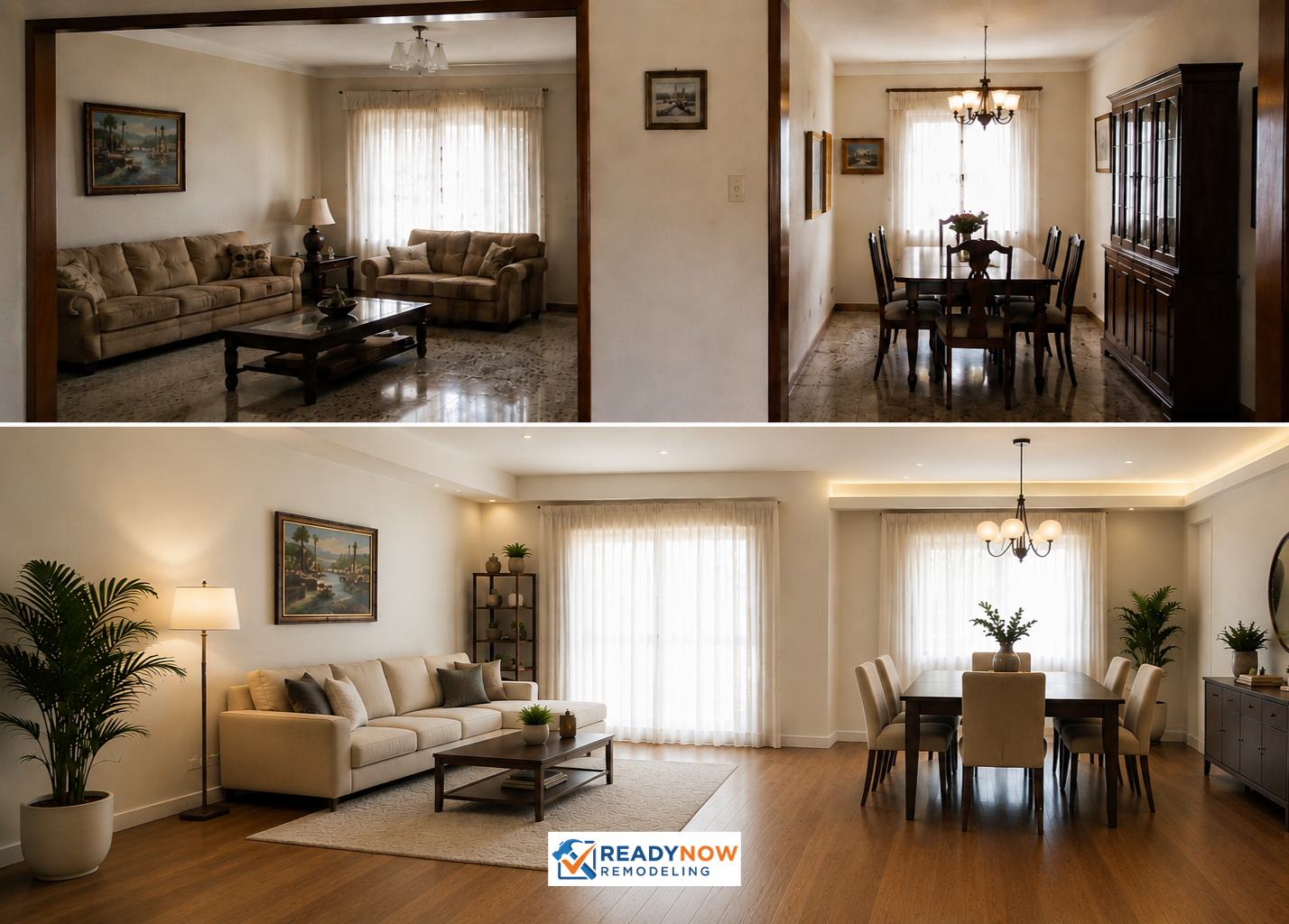
This is why services like space reconfiguration and wall removal can have such a big impact. Removing one poorly placed barrier, widening a passage, or changing the relationship between adjacent rooms can create a more usable floor plan without needing major square footage. Often, the difference is felt immediately in how open, calm, and intuitive the home becomes.
Layout changes can boost long-term value.
Homebuyers pay close attention to how a house feels to live in, not just how it looks. A home with awkward traffic patterns, underused corners, or isolated rooms may feel smaller than it really is. On the other hand, a thoughtful layout can make a property feel larger, brighter, and more adaptable to modern lifestyles, which can help with resale value.
According to the American Institute of Architects, many homeowners have added smart home features and functional upgrades to improve everyday use. This trend reflects a bigger truth: value is increasingly tied to convenience, comfort, and flexibility. Layout improvements that support those needs are more likely to remain relevant over time.
2026 Home Layout Trends That Improve Everyday Living
Balanced open-concept spaces with intentional zoning
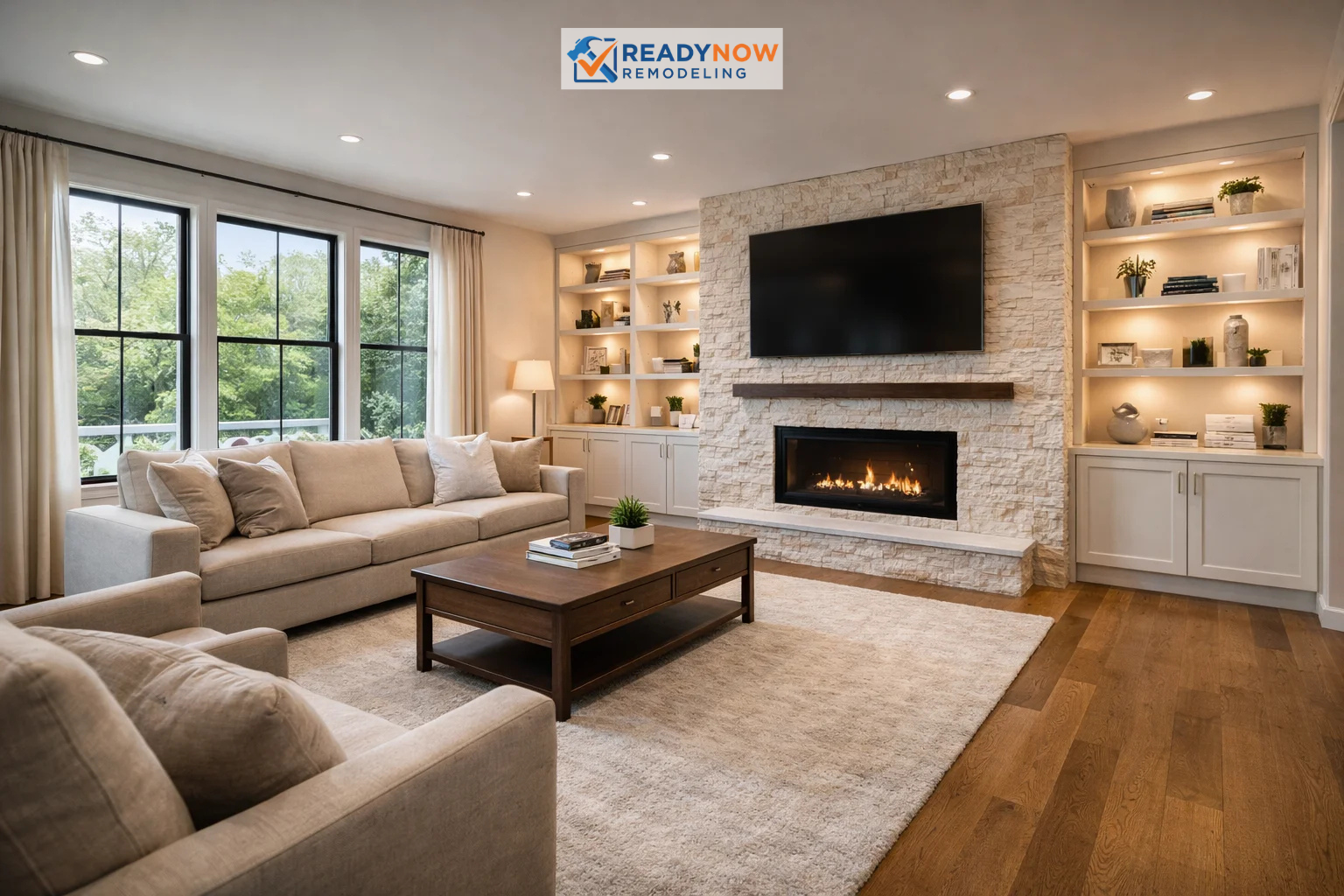
Open-concept layouts are still popular, but the newest approach isn't about removing every wall. Designers are creating balanced open spaces with subtle divisions that maintain openness while supporting privacy and focus. Rugs, lighting layers, built-ins, furniture placement, and partial walls help define each zone without making the home feel closed off.
This approach works well for families who want connection but still need separation for work, homework, and downtime. If you’re considering an open-concept conversion, it’s worth planning how each zone will function after the barriers come down. A kitchen, living room, and dining area can still feel connected while each part of the space serves a different purpose.
Multi-purpose rooms for changing lifestyles
One of the strongest trends in 2026 home renovation is the rise of multi-purpose rooms. A home office may also serve as a guest bedroom, and a playroom may transition into a study area as children grow. These flexible spaces help homeowners make better use of every square foot, especially in homes where adding new rooms isn’t practical.
The best multi-purpose rooms are designed with intention from the start. That might mean installing a Murphy bed, using custom storage, or choosing furniture that can easily shift from one function to another. If you’re considering a conversion, services such as garage conversions or attic conversions can create flexible square footage that adapts to changing needs over time.
Natural materials that create warmth and comfort
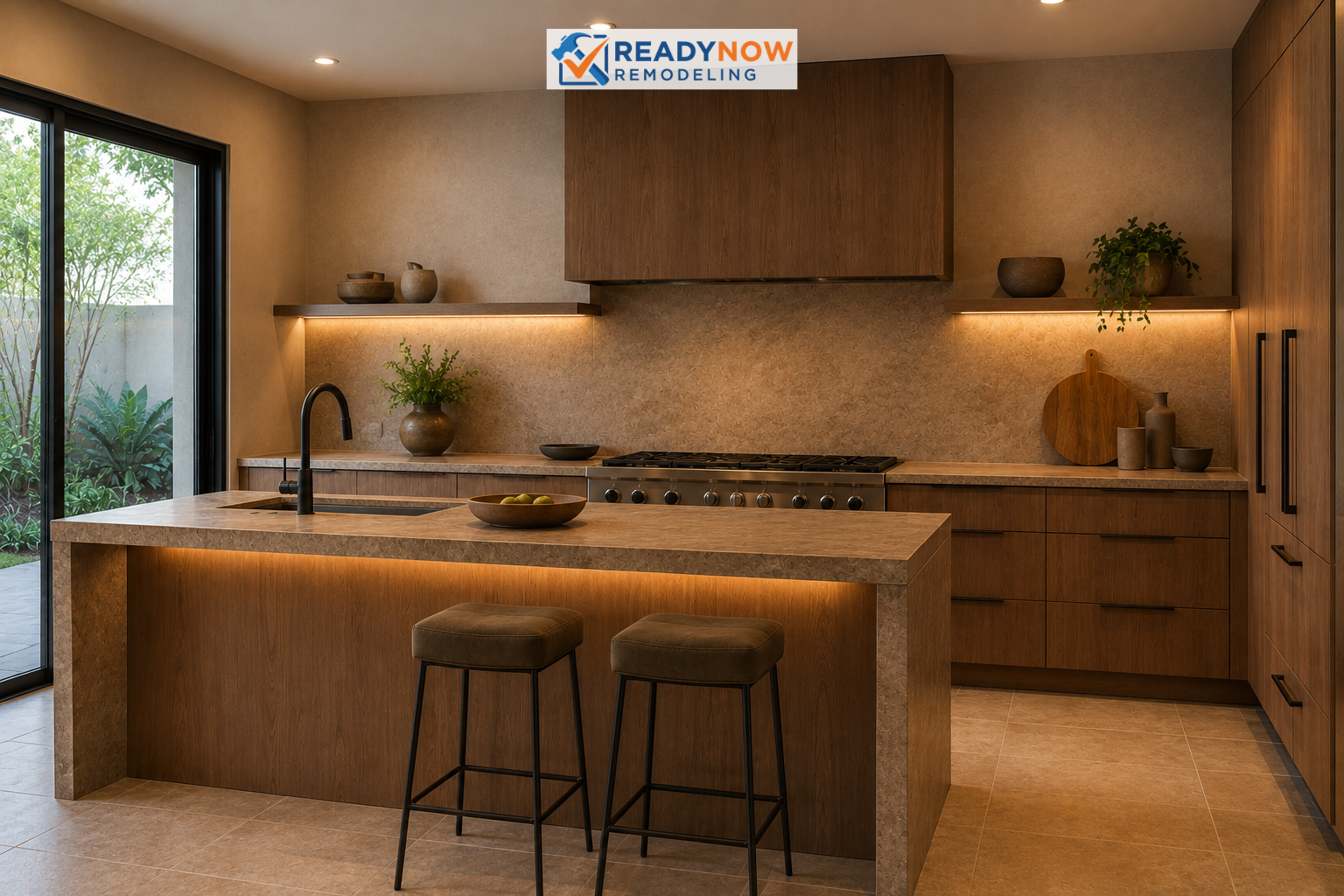
Homeowners are also leaning towards natural materials because they help spaces feel more grounded and welcoming. Terracotta, warm wood tones, tumbled limestone, and textured finishes are becoming more common in modern interiors. These materials do more than improve style; they can also help define spaces visually when an open layout needs subtle separation.
For instance, updated flooring can visually connect rooms while still distinguishing them through color or texture. The design publication Livingetc has highlighted the rise of tactile, earthy finishes in 2026, and that shift is easy to understand. When a home feels warm, layered, and comfortable, it becomes more livable in every season.
Smart home integration is built into the floor plan
Technology is no longer an add-on; it’s increasingly part of the layout itself. Smart lighting, climate control, security systems, and hidden charging stations are being planned into remodels from the beginning rather than being installed as afterthoughts. This makes the home easier to use while keeping visual clutter to a minimum.
If you’re planning a major remodel, coordination with interior renovations can help ensure technology supports the design instead of competing with it. A well-placed outlet, a concealed panel, or a lighting scene that shifts through the day can significantly improve comfort and efficiency. Samsung’s 2026 design outlook also notes that smart integration is becoming standard in residential planning, especially for homeowners who value convenience and energy awareness.
How to Create Better Zones Within an Open Floor Plan
Use visual cues to define spaces.
Creating intentional zones is one of the most effective ways to improve a layout. You don’t always need walls to do this. Furniture arrangement, ceiling treatment, area rugs, pendant lighting, and built-in shelving can all signal that one part of the room is for dining, another for relaxing, and another for working.
This method is especially useful in family homes where multiple activities happen at once. A living room can remain open to the kitchen while still feeling organized and calm. If your current space feels chaotic, a combination of layout changes and trim carpentry can help reinforce transitions between zones in a way that feels polished and deliberate.
Consider partial barriers and flexible dividers.
Sometimes, the best solution is not fully open or fully closed. Partial walls, sliding doors, glass partitions, or built-in cabinets can create enough separation to reduce noise and distraction without losing light or flow. This is a smart option for households that need privacy but don’t want to sacrifice openness.
For example, a home office placed behind a pocket door can support video calls during the day and still feel connected to the main living area when not in use. In a family setting, a sliding divider can help separate a play zone from the main gathering area. These ideas are especially effective when combined with doors that improve both function and aesthetics.
Think about circulation patterns.
Good zoning is only effective if people can move through the home easily. Hallways that are too narrow, entry points that collide, or furniture arrangements that block movement can make a room feel cramped even when the footprint is generous. Circulation is one of the most overlooked parts of layout planning, yet it has a major effect on how comfortable the home feels.
Before making changes, map how people move from the kitchen to the backyard, from bedrooms to bathrooms, or from entryways to shared living areas. This kind of planning can reveal opportunities for a better arrangement, especially when paired with space reconfiguration or a targeted wall removal project. A smoother path through the home usually means less frustration and better daily function.
Multi-Purpose Room Design Ideas That Actually Work
Home office and guest room combinations
Remote work has made dual-purpose rooms more valuable than ever. A home office that also functions as a guest room can serve weekday productivity and weekend hospitality without wasting space. The key is to use modular furniture, built-in storage, and layout choices that support both uses equally well.
A desk can be positioned near natural light for work hours, while a sofa bed or wall bed can transform the room for overnight guests. Storage should hide office clutter quickly, and lighting should support both tasks and relaxation. If you need a dedicated room for this purpose, a room addition may be more cost-effective than trying to force a single-use area into an existing plan.
Playrooms that become study zones
Families with growing children often need rooms that evolve. A playroom may need open floor space now, but later it may need desks, shelves, and quieter zones for homework. Designing for flexibility from the start can save money and reduce future disruption.
Storage bins, wall-mounted organizers, and durable finishes help the room function through multiple stages of family life. Easy-to-clean tile or low-maintenance flooring can also make the space more practical. The best multi-purpose rooms are those that can change without requiring a full remodel every few years.
Basements, attics, and garages are usable square footage
Many homes already have potential living spaces that are not being used well. Finishing a basement, converting an attic, or turning a garage into a livable area can add square footage that serves real needs, such as a media room, workout area, or private suite. These projects often deliver strong utility because they make use of existing structure rather than expanding the footprint.
When these spaces are designed correctly, they can support everything from rental income to multigenerational living. A finished basement may become a quiet retreat, while a garage conversion could serve as a studio or office. If this approach fits your goals, explore basement finishing, garage conversions, or ADUs for more options.
The Role of Materials, Lighting, and Finishes in Better Layouts
Materials help communicate function.
Layout changes don’t happen in isolation. Materials help define where one activity ends and another begins. Warm woods may soften a living area, while tile or stone can signal more durable, traffic-friendly zones in kitchens and baths. This is one reason the right material selection is so important when redesigning a floor plan.
If a family room opens into the kitchen, using complementary but distinct materials can subtly define each space without adding walls. The same idea applies to cabinetry, trim, and countertops, which can reinforce the new layout visually. A coordinated approach through cabinets and countertops often makes the whole space feel more intentional and efficient.
Lighting influences how a room is experienced.
Even the best layout can fall short if the lighting is poor. Layered lighting helps zones feel distinct, improves usability, and makes rooms more comfortable at different times of day. Ambient, task, and accent lighting work together to support each part of the home’s function.
For example, pendant lighting can define a dining area, while under-cabinet lighting improves kitchen prep zones. Wall sconces or recessed lighting can help separate a reading nook from a larger living space. If you want to learn more about how lighting shapes a remodel, our related article on lighting design tips that will transform your remodel offers a deeper breakdown.
Finishes should support both style and use.
Durable finishes matter because functional spaces need to stand up to real life. Bathrooms, kitchens, and high-traffic areas should feature materials that are easy to clean and long-lasting. A beautiful finish is valuable, but a finish that works with your routine is even better.
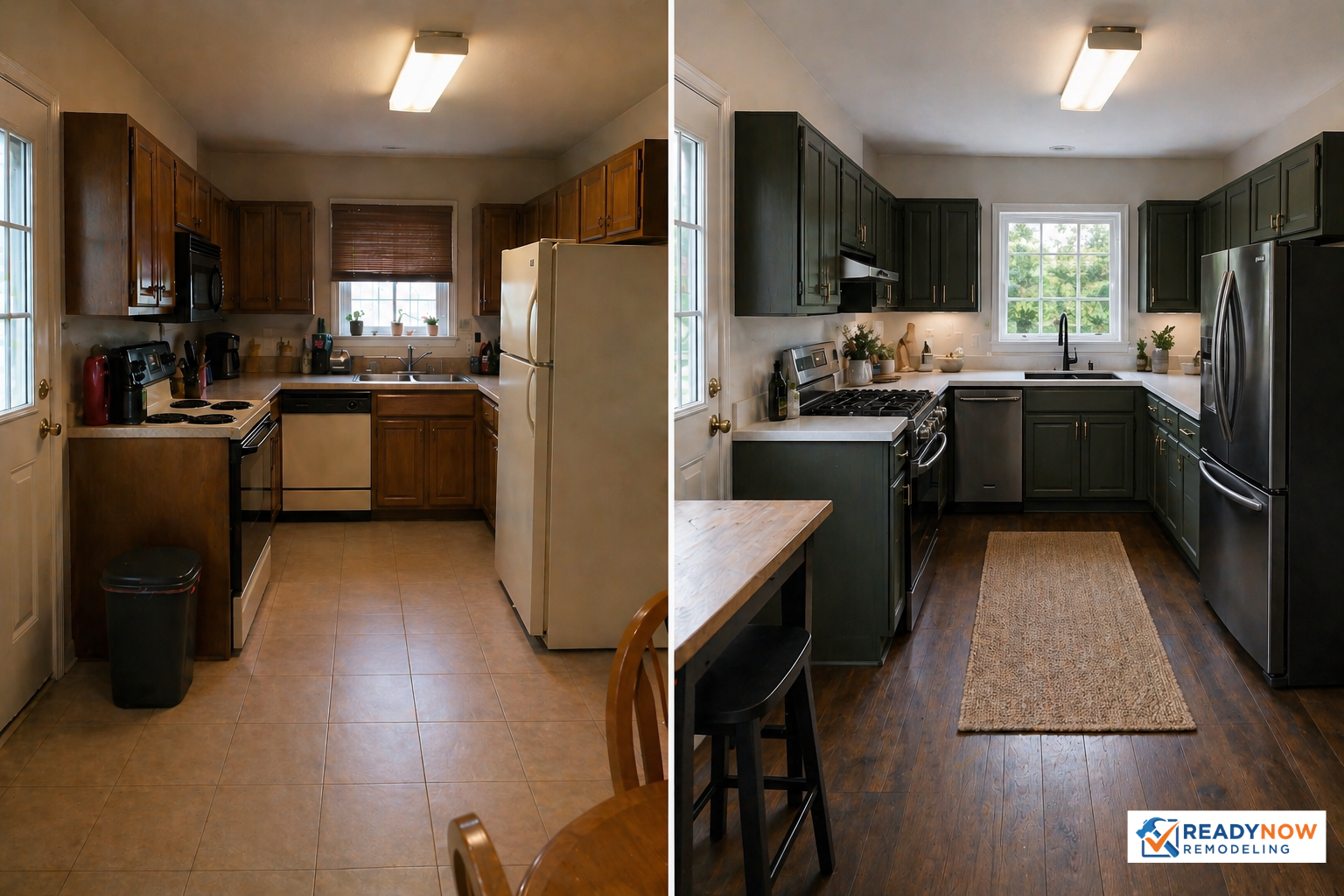
That’s why services like bathroom remodeling and kitchen remodeling often focus on both layout and finish quality. A bathroom may need a better vanity position or shower placement, while a kitchen may benefit from improved work triangles, more prep space, and better appliance clearance. The right combination creates a room that feels better every day.
When a Layout Change Is Better Than an Addition
Start by maximizing existing space.
Before investing in new construction, consider whether your current home can be improved more efficiently through internal changes. Many homes have underused corners, oversized hallways, or disconnected rooms that can be reworked into meaningful living spaces. This approach can be more cost-effective and less disruptive than building outward.
Simple changes like removing a non-load-bearing wall, shifting a doorway, or improving storage can have a big impact. In many cases, these smaller adjustments create enough improvement to delay or eliminate the need for a larger project. If you want a focused update, interior renovations can often deliver strong results without the scale of a full addition.
Choose an addition when the home truly needs more square footage
There are times when layout changes alone won’t cut it. If your household needs a new bedroom, a larger primary suite, or a dedicated living area that can’t be carved out of the current plan, an addition may be the right answer. The advantage is that an addition can solve both space and layout issues at the same time.
For homeowners who want to expand while improving flow, home additions can create a natural extension of the existing house. The goal is not just more room, but better room. When planned carefully, an addition can blend with the original structure while solving a long-term functional problem.
Use a project plan to compare options.
Deciding between reconfiguration and expansion is easier when you compare goals, budget, timeline, and lifestyle needs. A remodel that adjusts the floor plan may be ideal for one family, while another may truly need more space to live comfortably. The right answer depends on how your home is used today and how you expect it to be used in the future.
If you’re unsure which direction makes sense, a professional planning conversation can help you compare options clearly. You can also review our related guide on keeping your project stress-free for practical steps that make the process easier from start to finish.
Real-World Examples of Functional Layout Improvements
Urban loft transformation
One strong example of layout-driven improvement is an urban loft that needed to serve both daily living and overnight hosting. By installing a retractable wall, the owners were able to convert the living area into a guest bedroom when needed, while still enjoying an open layout the rest of the time. This kind of flexible solution is ideal for homes where every square foot must work harder.
The success of this project came from prioritizing flexibility over fixed use. Instead of treating the living room as a single-purpose zone, the design allowed it to change throughout the week. That’s the core principle behind effective multi-purpose room design: the home should adapt to your life, not the other way around.
Suburban smart-home upgrade
In another example, a suburban home added smart thermostats, automated lighting, and connected security features as part of a broader layout update. The result was a reported 15 percent increase in energy efficiency along with noticeably greater convenience. Because the technology was integrated into the renovation plan, the systems felt natural rather than bolted on.
This kind of improvement shows how modern functionality often depends on both design and technology. A home that is easy to manage saves time, reduces stress, and often lowers operating costs. When layout changes are paired with technology, the home becomes more responsive to the people who live there.
Family home with improved zoning
Another common case involves a family home where the kitchen, dining, and living areas were too open and noisy. By introducing subtle zones with furniture placement, a partial divider, and stronger lighting design, the owners created a calmer environment without sacrificing connection. Children could do homework nearby while adults cooked or hosted guests.
This is exactly the kind of project where thoughtful planning makes a home feel larger and more useful at the same time. The same ideas can be applied in many settings, including homes in Dallas where open-concept layouts are common and natural materials can help bring warmth and definition to the space. For homeowners ready to explore those possibilities, whole-home remodeling can provide a comprehensive solution.
How to Decide Which Layout Changes Are Right for Your Home
Identify the daily pain points.
Start by paying attention to the parts of your routine that feel awkward. Is the kitchen too crowded during meal prep? Is there no quiet place to work? Do guests have to pass through private areas to reach shared spaces? These issues often reveal the most valuable layout changes.
Write down the problems you experience most often and rank them by impact. The most useful remodels solve real friction points first. If you need help translating those pain points into a workable plan, a professional review can connect your goals to practical design choices.
Match changes to your lifestyle
A household with small children has different needs than an empty nest couple or a multigenerational family. Your layout should reflect how you actually live now, not how the original builder imagined the home would be used. Flexible design makes it easier to adapt as life changes.
For example, homeowners who work from home may benefit from a private office zone, while families with aging parents may need accessible circulation and quieter bedroom separation. If the home needs a more comprehensive rethink, consider framing changes as part of a larger plan that improves flow and support.
Plan for future resale as well as daily use
Good design supports both current comfort and future marketability. Buyers often look for layouts that feel bright, logical, and easy to personalize. Spaces that are too specialized can limit appeal, while flexible, well-zoned floor plans tend to stay attractive longer.
That balance is especially important for homeowners who expect to sell within a few years. Smart layout decisions, durable finishes, and functional upgrades can position a home well in a competitive market. When you’re ready to make the most of your space, ReadyNow Remodeling helps homeowners create practical, polished results that fit how they live today and how they want to live tomorrow.
Conclusion: Better Layouts Create Better Homes
Layout changes are one of the best ways to improve how a home feels and functions. They can reduce clutter, support multiple activities, improve privacy, and make a property more valuable without always needing more square footage. From balanced open-concept spaces to multi-purpose rooms and smart technology integration, the trends shaping 2026 all point toward homes that are more adaptable and easier to live in.
If your house no longer matches your lifestyle, the answer may already be inside the walls you have. A thoughtful remodel can unlock better flow, better comfort, and better use of every room. Whether the right move is an internal reconfiguration, a room conversion, or a larger expansion, the most effective projects begin with a clear understanding of how your home should work.
Ready to create a layout that supports your everyday life? Explore our space reconfiguration, interior renovations, or home additions to find the best solution for your goals, then contact ReadyNow Remodeling to start planning a home that feels more comfortable, more functional, and better suited to the way you live.