Lighting Design Tips That Will Transform Your Remodel
Lighting can do a lot more than just brighten a room. It can change how a space feels, make it seem bigger, and bring all your design elements together. Often, people think about lighting last, but the best remodels start with it as a main focus.
This is especially true if you're updating a home in Dallas or nearby. The natural light, room direction, and how much energy you use all affect the outcome. Whether you're fixing up a kitchen, a bathroom, or giving your whole house a new look, a smart lighting plan can make everything look better and work better. If you're rearranging your space, projects like whole-home remodeling or interior renovations can set up the right lighting from the get-go.
In this guide, you'll see how lighting affects your remodel's look and feel, discover the 2026 trends, and learn smart choices that balance style, comfort, and energy use. We'll also cover real examples, planning tips, and resources to help you make the best decisions. For some general tips on saving energy with indoor lighting, the U.S. Department of Energy has a guide on lighting choices that save money.
Why Lighting Design Is a Big Deal
Lighting Changes the Mood
Light impacts how we experience a room. Bright, cool light can make a space feel lively, while warm, layered light can make it feel cozy. During a remodel, this matters because your finishes, colors, and furniture will look different depending on the light. A beautiful material can look dull under harsh lighting but come alive with a softer touch.
Lighting also changes how big a room feels. Well-placed lights can make ceilings seem higher, and rooms feel more open. When you improve lighting, the space often feels bigger without actually changing its size. That’s why lighting is more than just a utility; it's a design game-changer.
Lighting Blends Style and Function
Good lighting isn't just for show. It helps you cook, read, work, and relax. A successful remodel mixes looks with practical use, picking lights that suit specific tasks in each room. For instance, kitchens might need bright task lighting, while bedrooms benefit from softer accent lighting.
If you're redoing room layouts, consider how lighting fits in. Projects like open-concept conversions and space reconfiguration can help create a lighting plan that works with the new design.
Trending Lighting Styles for 2026
Layered Lighting Takes Over
In 2026, layered lighting is a hit. Instead of one overhead light, people are using different types of lighting to make spaces adaptable. This adds depth and lets you change the mood based on the time of day or activity. According to Digital Journal’s overview of 2026 lighting trends, this approach is becoming standard in modern designs.
Layered lighting is great for multipurpose spaces. A living room might need bright lights for gatherings and dim lights for movie nights. When each layer is planned well, the room feels more complete and livable.
Sculptural Fixtures Make a Statement
Lighting is turning into functional art. Sculptural chandeliers, unique shapes, and materials like hand-blown glass are giving rooms character. Designers are using lighting fixtures to anchor a room visually. As Homes & Gardens points out, statement lighting is key in 2026 designs.
This trend works well in kitchens, dining rooms, and bathrooms, where a single light can set the tone. If you're upgrading finishes, matching sculptural lighting with new countertops or cabinets can enhance the overall design.
Warm Light and Energy Efficiency
People are moving away from harsh, cool interiors and towards warm, soft lighting. Warm light makes spaces feel cozy and helps reduce eye strain. Plus, energy-efficient LED and smart systems are popular because they cut down on utility bills and last longer. Digital Journal highlights that style and sustainability are going hand in hand.
For those focused on long-term value, this makes lighting a smart investment. Efficient fixtures can go hand in hand with other improvements like window replacements and door upgrades to improve comfort and reduce energy loss.
Choosing the Right Lighting for Every Room
Think About How You'll Use the Room
Each room needs a different lighting strategy. Kitchens require precision and visibility, bathrooms need practical but flattering light, and living rooms need versatility. When planning a remodel, ask yourself, "How will I use this room every day?" This will guide your lighting choices.
If a room serves multiple purposes, the lighting should be flexible. A family room might need bright lights for homework and softer lights for movie nights. Dimmers and smart controls can be invaluable here.
Match Lighting to Your Decor
Lighting and materials work together. Reflective surfaces can boost brightness, while matte finishes absorb light. If you're updating tile, flooring, or wall finishes, think about how light will interact with them. Doing so can make premium materials look their best.
Designers often suggest reviewing lighting samples with other decor elements like cabinets and paint. This helps you see how your chosen finishes will look under different lighting conditions, helping you avoid regrets.
Consider Room Size and Natural Light
The size of a room matters. Large areas may need different fixture types to avoid dark spots, while smaller rooms might benefit from recessed or wall-mounted lights to keep things uncluttered. Ceiling height also plays a role in choosing the right size fixtures.
Natural light is part of the equation, too. In Dallas, plenty of daylight can reduce your need for strong daytime lighting, but it can also cause glare and heat if not managed well. If you're adding new windows or making exterior updates, coordinating lighting with exterior renovations can boost energy performance and comfort.
Lighting for Kitchens, Bathrooms, and Living Rooms
Kitchens Need Layers
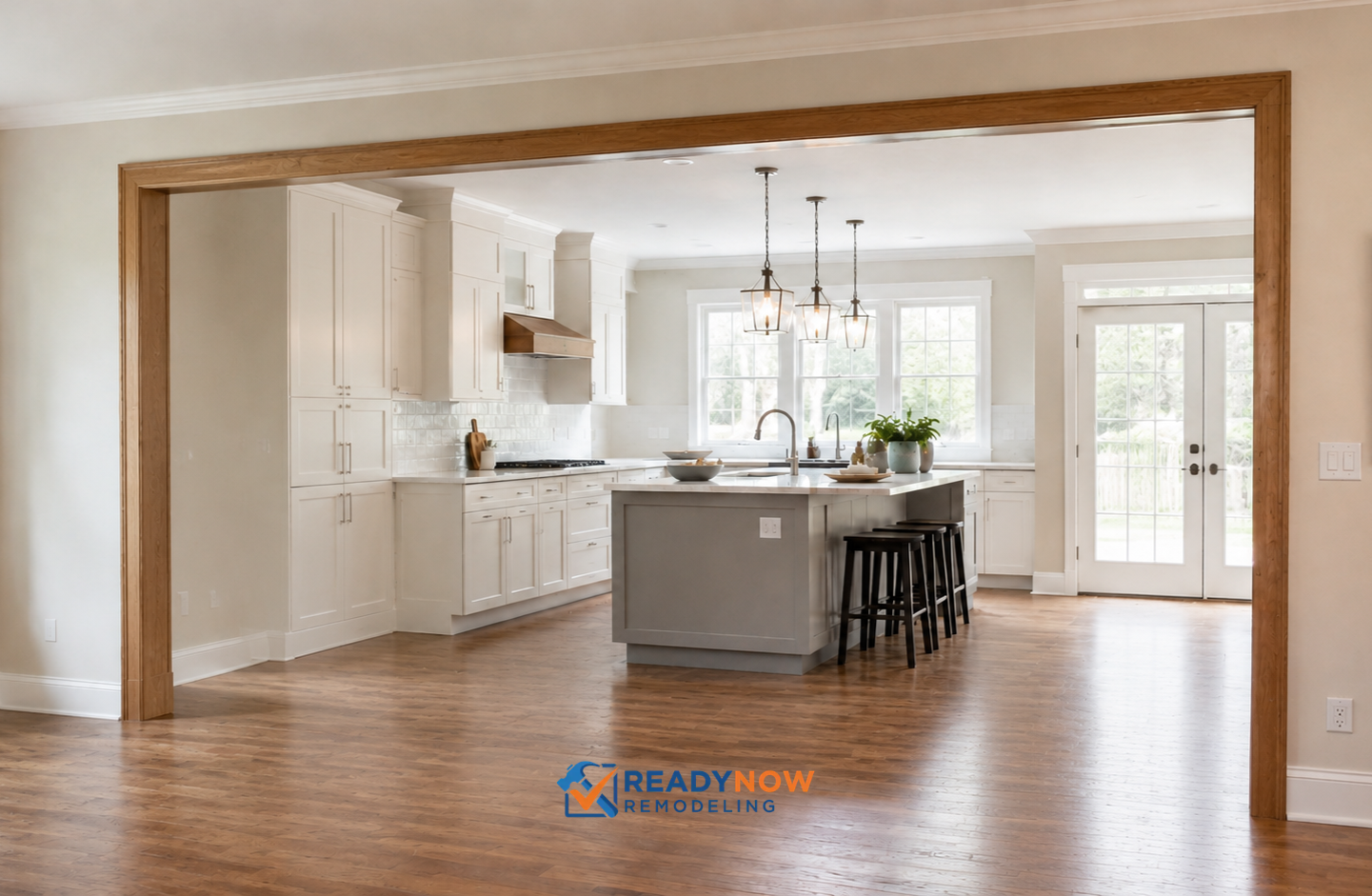
Kitchen lighting is complex because the room serves many functions. You need to light it for cooking, cleaning, gathering, and more. A good plan includes ambient light for overall visibility, task light for work areas, and accent light for warmth and depth. Under-cabinet lights, pendants, and recessed lights are common choices.
When remodeling, coordinate lighting with the layout, appliances, and island size. If you're considering a bigger kitchen update, a kitchen remodeling project can integrate lighting into the overall plan.
Bathrooms Need Soft, Even Light
Bathrooms require a mix of precision and comfort. Vanity lights should reduce shadows on your face, while ceiling fixtures provide overall brightness. Warm, well-distributed light creates a spa-like feel while supporting daily routines.
Lighting in bathrooms also needs to be moisture-safe and well-placed near showers and sinks. If your remodel includes layout changes, bathroom remodeling can help coordinate lighting, ventilation, and fixture placement.
Living Rooms Should Be Adaptable
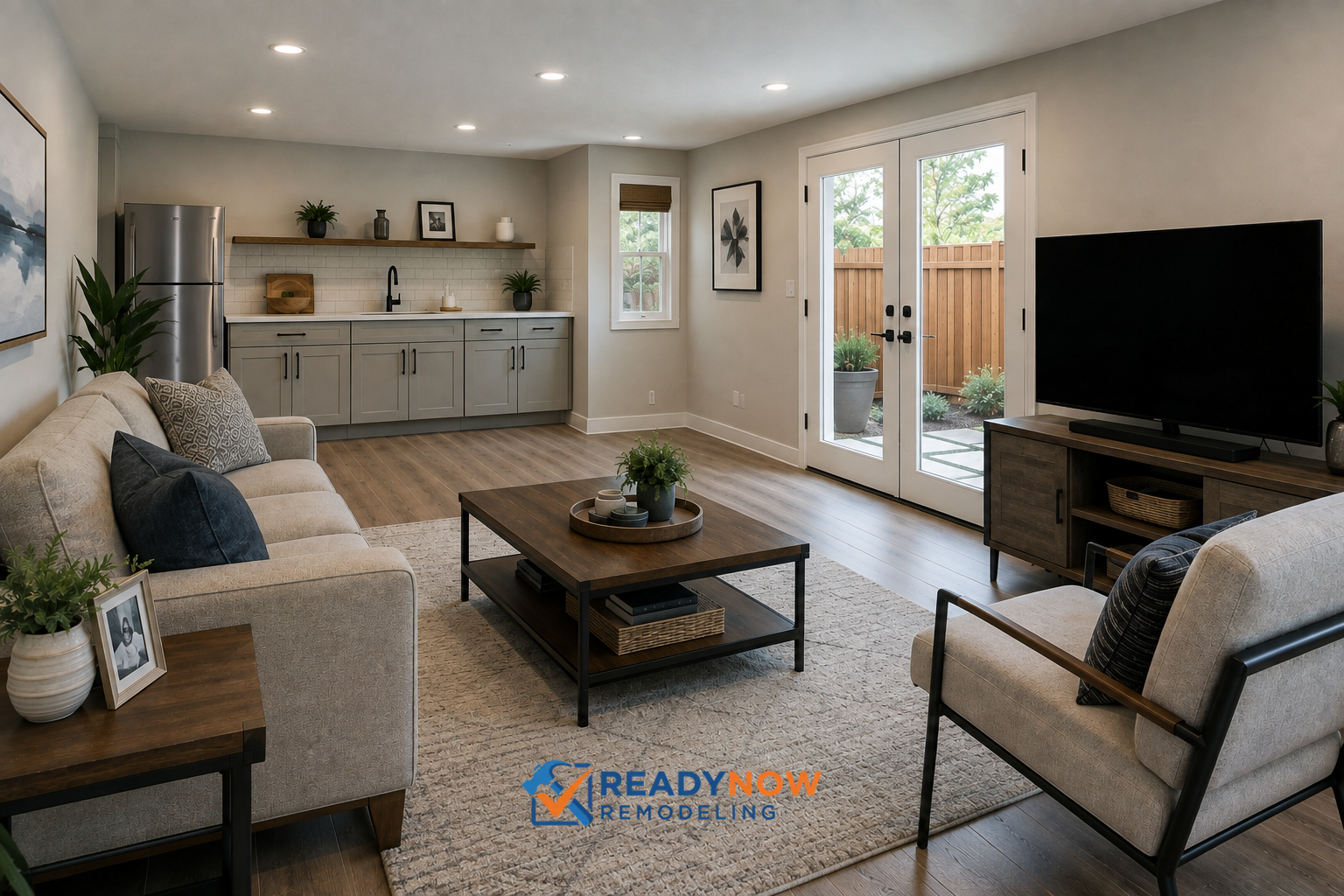
In living rooms, lighting needs to support everything from conversations to reading. A single central fixture rarely does the trick. Instead, combine floor lamps, sconces, recessed lights, and decorative pendants to create a layered atmosphere. This adds personality and helps define zones in open layouts.
Well-lit living spaces also look better in photos, which can be important for resale value. If you're enhancing trim or built-ins, trim carpentry and painting can make the lighting effect even more polished.
Smart Lighting and Saving Energy
Automation for Convenience
Smart lighting systems let you adjust brightness, color, and schedules with your phone or voice. This isn't just convenient; it helps you shift the room's mood instantly and cut energy use. Homeowners enjoy the ability to fine-tune rooms without retrofitting later.
Smart systems are helpful in open layouts since a single tap can change the feel of multiple zones. They also support routines like evening dimming or morning wake-up settings, improving everyday usability.
LED Tech Offers Long-Term Benefits
LED lighting is favored for remodels because it uses less energy and lasts longer. According to the U.S. Department of Energy, LEDs save energy and perform well over time. This matters for utility bills and maintenance, as fewer bulb changes mean fewer interruptions. More info is available through the DOE’s LED lighting resource.
LED upgrades can also support a more refined design. Their compact size makes them easy to integrate into recessed fixtures and custom millwork. When planned well, they enhance mood and function without being obtrusive.
Don’t Sacrifice Atmosphere for Efficiency
Some worry that energy efficiency means sterile lighting. It doesn't have to. Modern dimmable LEDs and warmer color temperatures create cozy environments while keeping costs low. The key is choosing fixtures and controls that match your desired ambiance.
For projects prioritizing sustainability, lighting can work with other improvements like insulation and smarter layouts. In larger makeovers, a whole-home remodeling plan ensures all choices support the same efficiency goals.
Style and Function in Lighting Fixtures
Fixtures as Decor
In today's remodeling, lighting fixtures are a part of the room’s look. Shape, finish, and texture all matter. A well-chosen pendant can echo hardware tones or architectural lines, making the room feel cohesive.
Organic shapes and handcrafted materials are popular because they soften spaces and add warmth. This trend is visible in broader coverage from Livingetc, which notes the demand for textured, artisanal designs.
Fixture Size Matters
A common mistake is choosing fixtures that are too small or too large. A pendant that disappears over a kitchen island won’t make an impact, while an oversized chandelier can make a dining area feel cramped. Proportion is crucial for a polished look.
Consider ceiling height, furniture placement, and sightlines. If your remodel includes custom cabinetry, check fixture dimensions after finalizing the layout to avoid awkward placement.
Color Temperature Sets the Mood
Color temperature greatly affects how a room feels. Cooler light can make whites pop, but may feel less welcoming. Warmer light creates comfort, especially in the evening. The right choice depends on the room’s purpose and natural light exposure.
Many designers suggest using warmer tones in living areas and bedrooms, while saving brighter light for kitchens and work areas. The goal is a home that feels balanced and inviting.
Lighting Design Case Studies
Creating a Cozy Living Room
One homeowner replaced a single ceiling light with recessed lighting, sconces, and lamps. The change didn’t alter the room’s size, but it transformed its use. Family members could read or watch TV in different areas, and the room felt warmer at night. This upgrade is even better when paired with layout changes and finish updates. Combining lighting with flooring updates can make the space feel cohesive.
Making a Kitchen Stand Out
Another remodel featured a hand-blown glass chandelier above the kitchen island. It became the room’s focal point and added character to a modern design. Task lighting under cabinets kept the kitchen practical, while the chandelier added personality. This balance makes lighting a valuable design element.
For homeowners planning a kitchen upgrade, this approach works well with custom cabinetry and countertop replacement. The lighting becomes part of the full design rather than an afterthought.
Consistency Across the Home
In larger projects, consistent lighting across rooms is key. If one area feels too warm and another too bright, the home feels disjointed. Planning lighting as part of a broader remodel creates smoother transitions. This is especially valuable for homes with open layouts.
For big changes, working with a team on space reconfiguration or home additions helps coordinate all light sources and styles from the start.
Planning Lighting During a Remodel
Start Early
Think about lighting early, ideally before demolition and rough-ins. This helps the electrical plan support the final layout and saves time and frustration. It also allows the team to coordinate ceiling fixtures, switches, and special features.
If structural work is involved, review lighting with framing and wall decisions. Services like wall removal and framing changes can affect sightlines and fixture placement.
Use a Room-by-Room Checklist
A lighting checklist should cover the room’s purpose, natural light, ceiling height, fixture size, desired mood, and control method. For each space, decide if you need ambient, task, accent lighting, or a mix. Then figure out where dimmers and smart controls will help.
- Identify how you use each room throughout the day.
- Pinpoint where you need focused light for tasks.
- Choose color temperatures based on the room’s function.
- Match fixtures to ceiling height and decor.
- Plan dimmers or smart controls for flexibility.
Get Professional Advice
Lighting design is both creative and technical. It involves electrical work, finish selection, and architectural details. Working with a remodeling team that understands these aspects can help you create a lighting plan that fits your home’s vision.
Also, check local codes and energy guidelines. Groups like the National Fire Protection Association offer safety tips that are helpful when planning fixtures and wiring in a remodel. Combining design goals with safety and efficiency gives you a better long-term result.
FAQs About Lighting Design in a Remodel
What’s the most important lighting rule?
The key rule is to layer your light rather than relying on one fixture. A remodel should include ambient, task, and accent lighting to keep the space flexible and comfortable.
Do all lights have to match?
No, they should coordinate without matching perfectly. Mixing finishes and styles can make a room feel more intentional and personal. The goal is consistency in tone and proportion.
Are smart controls worth it?
For most remodels, yes. Smart controls simplify dimming, scheduling, and customizing lighting. They’re especially useful in spaces where needs change often.
How can I tell if my lighting is too harsh?
Glare, shadows, or eye strain are signs of harsh lighting. Switching to warmer bulbs, adding dimmers, or adjusting fixture placement can help. Sometimes, just moving a light or adding an accent can make a big difference.
Bringing It All Together
Lighting design can change almost everything about a remodel. It affects mood, size perception, material quality, and room usage. The best lighting plans focus on lifestyle, architecture, and comfort.
As trends lean towards layered lighting, sculptural fixtures, and warmer tones, you have more chances than ever to make lighting a key part of your remodel. Whether updating one room or rethinking the whole house, smart lighting choices can make the result more beautiful and personal. If you’re ready to improve your home's look and function, explore services like bathroom remodeling and kitchen remodeling, or connect with ReadyNow Remodeling to discuss a custom plan.
For Dallas homeowners, lighting is especially important because it balances the city's bright days with cozy nights and energy savings. If your space is ready for a fresh look, start with lighting, and watch your remodel come together naturally. Reach out to ReadyNow Remodeling to start planning a home that feels brighter and more functional.