Expert Guide to Choosing the Right Materials for Your Home Remodel
Picking the right stuff for your home remodel can make all the difference. The materials you choose will affect how your home looks, functions, and even how much effort it takes to maintain. Whether you’re sprucing up one room or redoing the whole house, having a smart plan for materials can help you avoid expensive mistakes and create a space that feels just right for you.
In this guide, we’ll explore the latest trends in remodeling materials, discuss how to assess durability and upkeep, and show you how to balance style, budget, and long-term performance. If you’re planning projects like a kitchen remodeling or a full home makeover, the materials you pick will set the tone for everything. We’ll also cover practical things like climate, sustainability, and planning for future tech, like smart home features.
For those seeking inspiration backed by facts, the latest design research indicates a shift toward warm neutrals, natural textures, and more eco-friendly choices. Design magazines highlight a growing interest in color-drenching and biophilic elements, suggesting the best remodels are not just about beauty but also about creating thoughtful, liveable, and future-ready spaces. Trusted resources such as the U.S. Environmental Protection Agency on VOCs and the U.S. Department of Energy on energy efficiency offer guidance to make choices that enhance comfort and promote healthier living.
Why Material Selection Matters More Than You Think
Materials affect style, function, and value.
It’s tempting to focus on the colors, tiles, or cabinet styles, but the impact of materials goes deeper. Your countertop affects your prep space and cleaning routine, flooring handles foot traffic and noise, and wall finishes can change the mood of your home. Choose right, and your daily life gets a bit easier. Choose wrong, and you might be in for repairs or a design that feels outdated soon.
Materials also influence resale value. Buyers notice quality and care in a home. Durable surfaces and timeless finishes show that a home is well-maintained. That’s why services like interior renovations and bathroom updates often yield the best returns when materials are chosen for both looks and longevity.
Good materials reduce maintenance headaches.
Choosing low-maintenance materials can save time and money over the years. In busy homes, that’s as important as appearance. Quartz countertops might cost more upfront, but they resist stains and require less upkeep. Properly sealed tiles can look great in wet areas for years. Engineered hardwood offers the look of wood with more stability.
The best remodels are built around how you live. If you have kids, pets, or frequent guests, you’ll want materials that stand up to scuffs and spills. In high-use areas, consider options like flooring and tile not just for looks but also for ease of cleaning and durability.
2026 Design Trends That Are Shaping Material Choices
Warm neutrals and natural textures are leading the way
In 2026, remodeling trends are moving away from stark white interiors toward warm, grounded colors. Creamy whites, sandy tones, taupe, clay, and earthy browns create a welcoming vibe. These shades pair well with natural wood finishes like white oak and walnut. Matte surfaces are also in because they reduce glare and make spaces feel more relaxed.
This trend works especially well in kitchens, living spaces, and master suites where a calm yet upscale feel is desired. It's a smart choice if you want your remodel to age gracefully. Highly shiny finishes can feel trendy for a while, but warm neutrals have lasting appeal. A well-planned cabinet design can use these tones to create a timeless focal point without feeling repetitive.
Sustainable and low-toxicity materials are becoming standard.
Eco-friendly remodeling has gone mainstream. Homeowners are asking for recycled content, responsibly sourced wood, low-VOC paints, and energy-efficient systems. This shift isn't just about the planet. It also means better indoor air quality and lower utility bills. The EPA highlights that indoor pollutants can affect comfort and health, so material choices should consider more than just appearance.
Sustainability shows up in many ways. Reclaimed wood adds character to a feature wall, recycled glass countertops are unique and durable, and high-performance insulation and windows make a home more comfortable. If you're planning window replacement or exterior updates, better materials can improve energy performance and long-term value.
Biophilic design is bringing nature indoors.
Biophilic design uses natural forms, textures, and colors to create a calming environment. In remodeling, this means using textured plaster walls, woven accents, botanical tile patterns, and wood finishes that highlight grain. The result is a home that feels connected to nature and more peaceful.
One Dallas homeowner recently used textured plaster, rattan accents, and warm oak shelving in a living room renovation to create an inviting space that still felt modern. This approach works well in open living spaces and sunrooms where you want visual softness and character. If you’re rethinking layout and flow, open-concept conversions and space reconfiguration can make natural textures feel more impactful.
How to Evaluate Materials for Durability and Longevity
Think beyond the showroom sample.
Small samples don’t tell the whole story. A tile that looks great in a showroom might require more upkeep at home. A flooring product that feels comfy might not hold up in a high-traffic area. When evaluating materials, consider how they perform over time, how easy they are to clean, how they handle moisture, and whether they’ll still look good after years of use.
This is where working with a pro remodeling team can make a big difference. Experienced contractors can help you compare products, understand tradeoffs, and avoid choosing materials that are beautiful but impractical. If your project involves structural updates, a service like framing changes can affect which materials are best, as some finishes perform better when the structure is sound.
Match the material to the room.
Not every material fits every room. Moisture-prone areas need finishes that resist water and mold. High-traffic areas need surfaces that can withstand impact. Spaces exposed to the sun require products that resist fading. Porcelain tile works well in bathrooms and laundry rooms, while engineered wood or luxury vinyl may be better for open living spaces where comfort and easy maintenance are priorities.
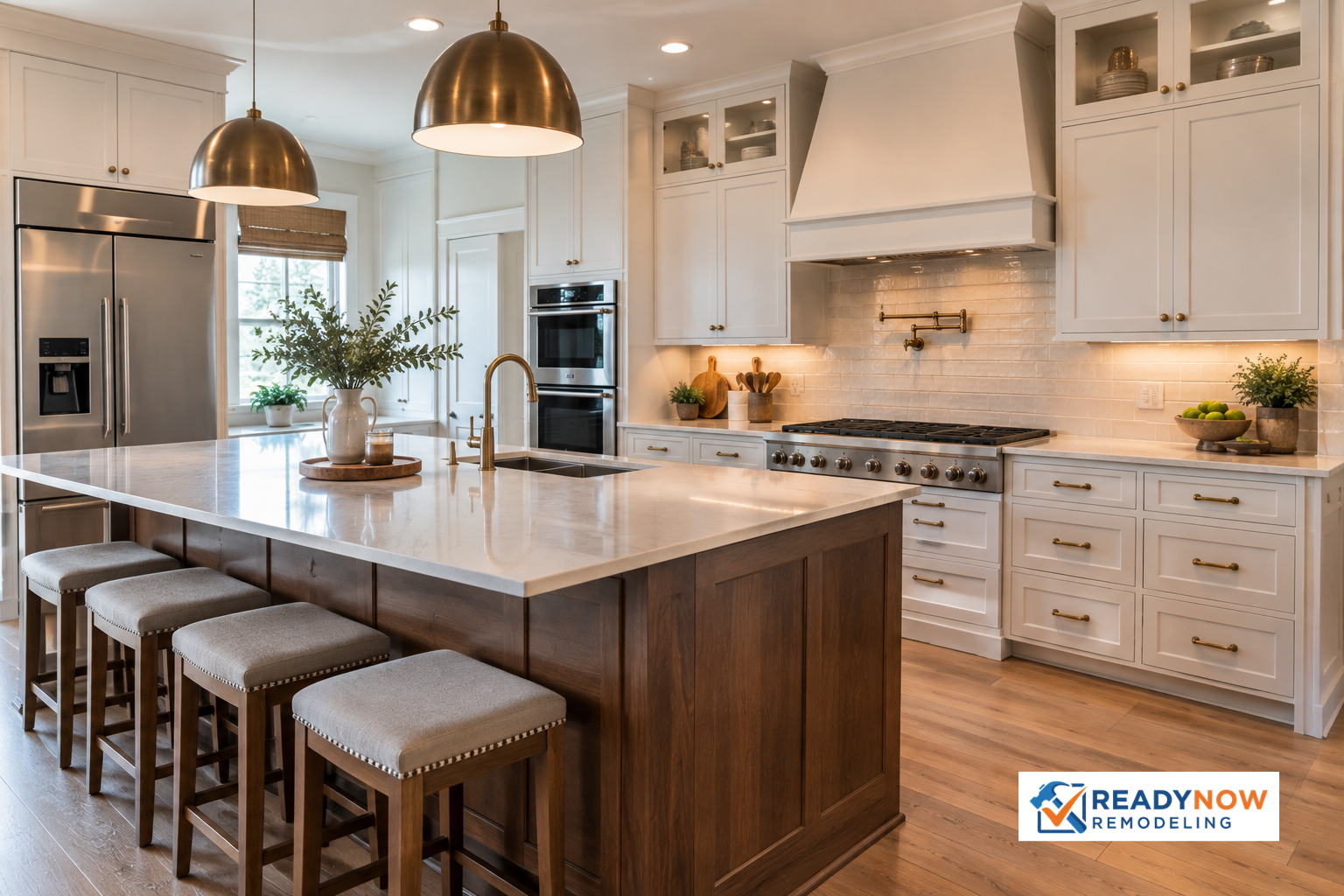
Kitchen counters are another example. Granite, quartz, and concrete are all strong choices, but each has a different care profile. Granite offers natural variation and heat resistance, quartz is consistent and low-maintenance, and concrete can be customized but may require more care. If you’re planning a full kitchen update, pairing the right countertops with durable painting finishes and quality cabinets can create a polished look that lasts.
Consider installation quality as part of the material
Even the best materials can fail if installed poorly. Tile can crack, wood can gap, and trim can separate if not installed correctly. Craftsmanship is part of the material decision. The product and the installer work together to ensure top performance.
For instance, a luxury floor might be a good investment only if the room is leveled and acclimated before installation. Stone surfaces need proper support, and cabinets must align carefully to prevent stress. This is why homeowners planning bigger projects often benefit from a coordinated approach that includes drywall, trim carpentry, and finish work as part of the same plan.
Choosing Materials by Room and Use Case
Kitchen materials need to handle heat, moisture, and traffic
Kitchens are some of the busiest spaces in a house, so material choices should focus on durability and cleaning ease. Countertops should resist stains and heat, cabinetry should be stable, and flooring should handle spills and foot traffic. Backsplashes should be easy to clean, and paint should resist moisture and grease.
Because kitchens are often the heart of the home, they should also look cohesive. A strong material palette ties together cabinets, counters, tile, and lighting. If you’re considering a broader kitchen update, successful projects often combine smart storage, practical surfaces, and a restrained palette that won’t feel dated soon. For bigger changes, kitchen remodeling can bring all these elements together in a more efficient and attractive layout.
Bathrooms demand moisture-resistant and easy-care finishes.
Bathrooms need a strict materials plan because humidity and water can quickly damage the wrong products. Porcelain tile, sealed stone, quality grout, moisture-resistant drywall, and good venting all matter. Bathroom vanities should resist swelling, and finishes should hold up in a humid environment.
In many remodels, the best bathroom designs balance spa-like comfort with practical cleanup. Matte stone-look tiles, warm wood tones, and soft neutral walls can make a bathroom feel relaxing without sacrificing performance. If you need help balancing style and durability, bathroom remodeling can guide you in choosing the right surfaces, hardware, and storage solutions.
Living areas benefit from comfort and visual warmth.
Living rooms, bedrooms, and family spaces tend to favor materials that offer comfort and durability. Flooring should be quiet, inviting, and easy to maintain. Wall finishes can influence how cozy a room feels. Built-ins and trim details can add personality without overwhelming the space. These rooms are a good place to use softer textures and warmer colors because they support a relaxed pace of daily life.
If your remodel includes changing room flow, upgrading finishes, or creating more usable square footage, a service like interior renovations can help you align materials with how the room will actually be used. The goal is not just to make the room attractive on paper. It is to make it feel comfortable, functional, and easy to live in every day.
Climate, Location, and Long-Term Performance
Local weather should influence material selection.
Climate matters more than many homeowners realize. In areas with heat, humidity, and shifting soil conditions, like Dallas and much of Texas, material selection has to account for expansion, contraction, and moisture changes. Woods can warp if they are not properly sealed. Poor-quality exterior products can fade or fail. Subpar installation can become visible faster than it would in milder conditions.
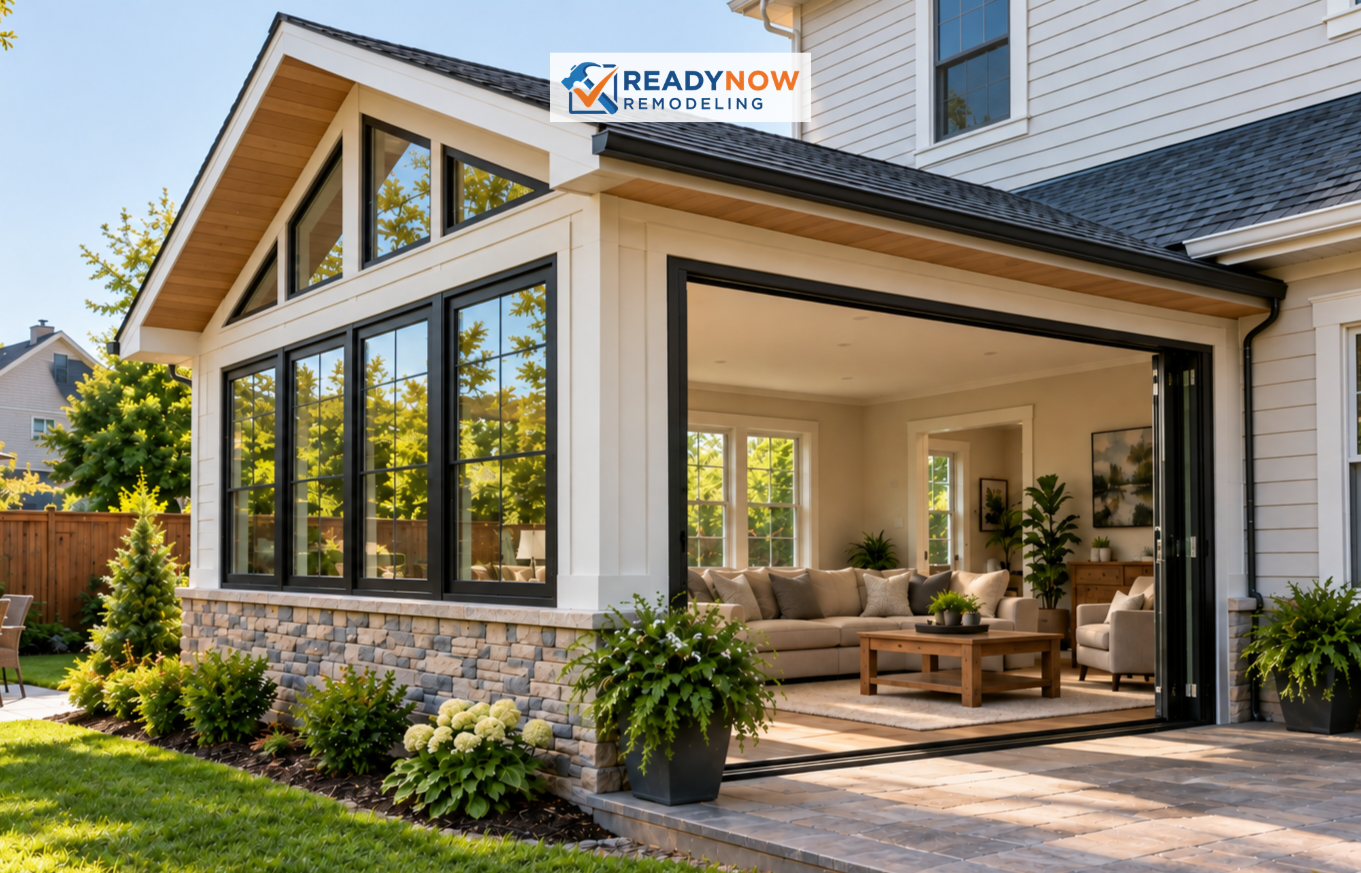
That is why local expertise matters. Materials that work well in one region may not be the best choice in another. Homeowners should ask how products will respond to seasonal swings, sun exposure, and humidity. If you are planning home additions or exterior upgrades, selecting finishes designed for the Texas climate can prevent expensive future repairs and support a stronger long-term investment.
Exterior materials must balance curb appeal and resilience
Exterior remodeling is about more than appearance. Siding, roofing, windows, doors, and outdoor surfaces must resist weather while still contributing to the home’s style. That means balancing beauty with protective performance. Modern exterior materials can improve energy efficiency, reduce maintenance, and make your home look more polished from the street.
For example, quality doors and windows can significantly improve comfort and utility costs, while durable finishes on porches and facades can extend the life of your investment. If your project includes outdoor entertainment areas, a thoughtfully selected deck or patio can provide both functional living space and a visual transition between indoor and outdoor design.
Budgeting Smartly Without Sacrificing Quality
Spend more where performance matters most.
Not every material needs to be premium, but some should be. A smart remodel allocates budget to the surfaces and systems that affect performance, daily use, and longevity. For example, it often makes sense to invest in cabinets, flooring, countertops, and structural elements, then find value in items that are easier to refresh later, such as wall paint or accessories.
This approach helps prevent the common mistake of overspending on visible details while underinvesting in core components. A well-built home relies on quality where it matters most. If you are remodeling to improve resale value, pairing durable materials with strategic updates can maximize return. That is true whether you are considering a room expansion, a garage conversion, or a more complex whole-home update.
Compare lifecycle cost, not just upfront cost.
The lowest purchase price is not always the best value. A cheaper floor that needs to be replaced sooner may cost more in the long run than a higher-quality product with a longer life span. The same applies to paint, tile, cabinetry hardware, and exterior finishes. Lifecycle cost includes replacement, maintenance, repairs, and the inconvenience of having to remodel again sooner than expected.
Homeowners should ask a few simple questions before making final decisions: How long is this material expected to last? What maintenance does it require? Will it need sealing, refinishing, or special cleaning products? How does it perform in this specific room? These questions can save money and frustration later. They also make it easier to prioritize materials that deliver both immediate beauty and long-term value.
Smart Home Integration and Future-Ready Materials
Design for technology from the start
Smart home devices are becoming standard in more households, and remodeling is the ideal time to plan for them. By late 2025, projections suggested that roughly 60% of U.S. households would have smart devices, which means more homeowners are expecting integrated lighting, security, climate control, and connected appliances. Material decisions should support those features rather than complicate them.
That may mean choosing wall finishes that allow for concealed wiring, cabinetry that accommodates charging stations, or surfaces that are easier to clean around built-in technology. If your remodel includes electrical changes, lighting upgrades, or room reconfiguration, coordinating those choices early can help avoid expensive adjustments later. This is one of the many reasons a comprehensive plan matters before demolition begins.
Choose materials that can adapt over time.
Future-ready materials are flexible enough to support changing needs. For some homeowners, that means installing flooring that transitions well between rooms or selecting cabinetry that can be reconfigured later. For others, it means using finishes that stay relevant as design trends shift. The best remodels are not overly rigid. They create a strong foundation that can evolve with your lifestyle.
That forward-looking mindset is especially helpful when you are considering open spaces, flexible work areas, or accessory living areas. If you want to expand functionality without constantly reworking finishes, coordinated planning with ADUs or attic conversions can help you choose materials that support both present needs and future possibilities.
How to Make Final Decisions With Confidence
Use a simple decision framework.
When you narrow your choices, evaluate each material using four questions: Does it fit the style you want? Will it hold up in this room? How much maintenance does it require? Does it fit your budget over the long term? This approach keeps the process grounded in practical priorities instead of impulse. It also helps eliminate options that look great in isolation but do not work for your actual home.
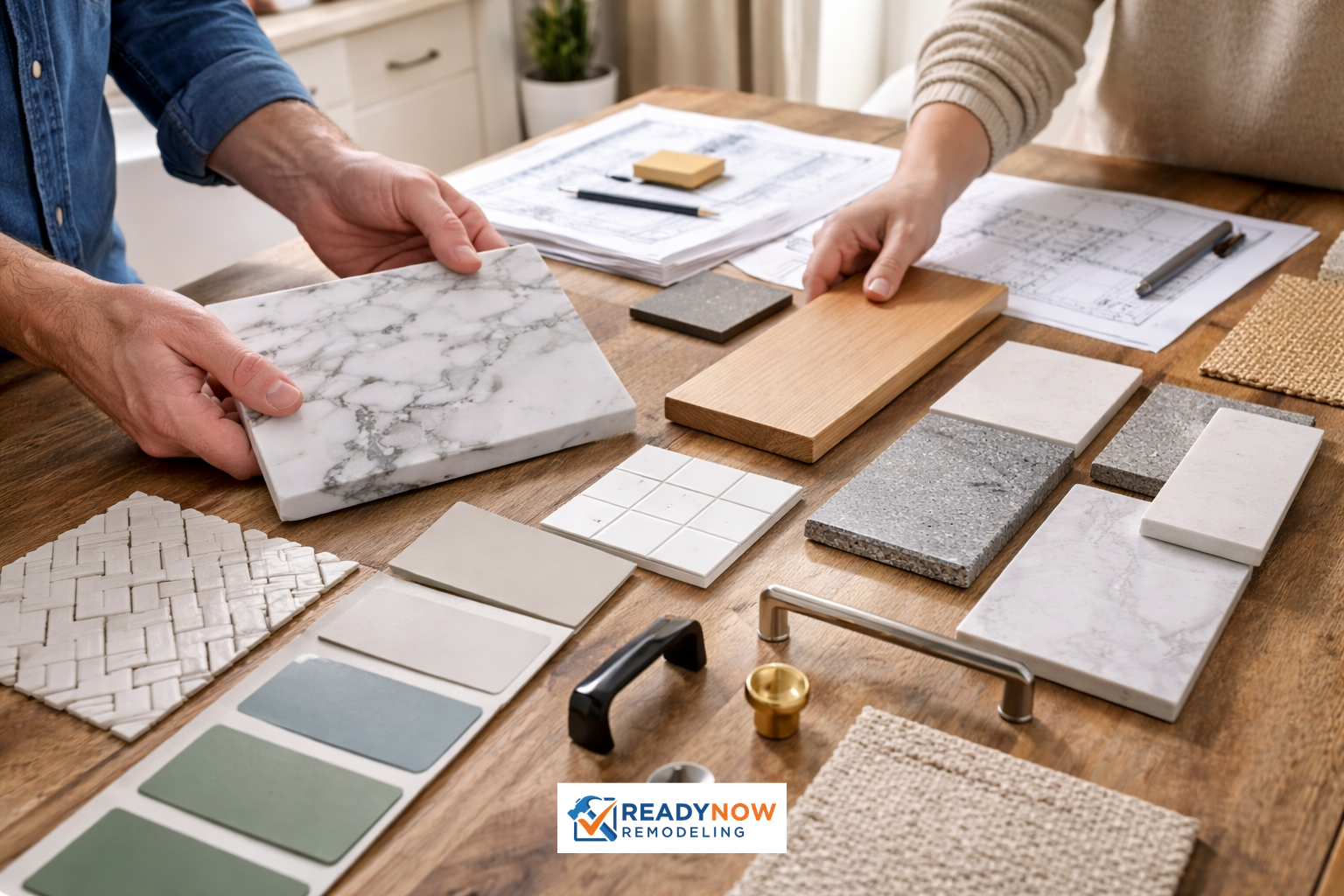
Many homeowners find it helpful to create a shortlist of three materials for each major category, then compare them side by side. Look at finish, durability, warranty, maintenance, and how the product feels in natural light. You can also request sample boards or install small mockups before committing. This reduces uncertainty and makes it easier to feel confident in the final selection.
Work with professionals who understand the full picture.
The right remodeling partner can help you connect design goals with practical material choices. A skilled team will consider room function, structural needs, budget constraints, and finish quality together instead of treating them separately. That kind of planning is especially important when a project involves multiple trades or more than one space in the home.
If you are ready to explore your options, ReadyNow Remodeling helps Dallas homeowners choose materials and finishes that support comfort, performance, and style throughout the remodeling process. Whether you are planning a focused update or a larger transformation, our team can guide you through material selection for space reconfiguration, flooring, cabinetry, and full interior upgrades with a clear eye on long-term value.
Conclusion: Build a Home That Looks Good and Lives Well
The best remodeling materials are not just attractive. They are durable, appropriate for the room, aligned with your lifestyle, and chosen with the future in mind. Warm natural tones, sustainable options, and biophilic details are shaping modern design, but timeless performance should always come first. When you balance style with durability, your remodel becomes easier to enjoy and easier to maintain.
If you are planning a project in Dallas or the surrounding area, start by identifying the rooms that need the most function, then choose materials that support those goals. Consider climate, maintenance, budget, and long-term value before making final selections. If you want professional guidance, ReadyNow Remodeling is ready to help you plan a remodel that feels cohesive from the first sample to the final finish. Contact us to discuss your goals and start building a home that works better for the way you live.