Should You Remodel Before Selling Your Home?
Thinking about sprucing up your home before you sell it? It’s a big decision that can impact how much you get when you sell. Some updates make your home look great, attract more potential buyers, and might even bump up the sale price. But some projects can take too long and cost too much without really paying off. If you're selling in a place like Dallas, it really comes down to your home’s condition, how fast you want to sell, how much you can spend, and what buyers are looking for these days.
In many cases, making a few smart upgrades is better than a full-blown renovation. You want to make a great first impression, fix any glaring issues, and show off your home’s best features without going overboard. If you’re exploring your options, services like cosmetic renovations and kitchen remodeling are great choices because they make noticeable improvements that catch buyers’ eyes.
This guide will help you decide when to remodel, which projects usually pay off, and when it might be better to sell your home as-is. We’ll also cover how trends in the Dallas market, home staging, timing, and neighborhood expectations can affect your decision. For more on planning, check out the U.S. Department of Housing and Urban Development’s advice on homeownership and resale at HUD.gov.
How the Dallas Market Shapes Your Remodeling Decision
Buyer Expectations in a Balanced Market
As of June 2026, the Dallas real estate scene is more balanced than the crazy bidding wars we saw in the past few years. Buyers are still out there, but they’re being pickier. In a balanced market, homes that are move-in ready usually get more attention, while older-looking homes might need a price drop to stay in the game.
Buyers are comparing homes based on condition, not just location. A home with a clean layout, updated finishes, and reliable systems can stand out, even if it’s not the biggest one around. That’s why many sellers opt for targeted improvements like interior renovations or a carefully planned whole-home remodeling before listing their homes.
Why Move-In-Ready Homes Sell More Easily
Today’s buyers want convenience. With mortgage rates, closing costs, and moving stress, a home that needs work can feel like a hassle. A house that says “ready now” can create a stronger emotional appeal and often sells more quickly. Even small fixes like paint touch-ups, new hardware, and better lighting can change how buyers see the value.
For more ideas on home improvement priorities before listing, Opendoor suggests that sellers often benefit more from selective updates rather than big remodels. They emphasize high-impact projects that help homes show well without overspending. Check out their insights here: Opendoor’s home improvement guide.
Which Remodels Usually Offer the Best Return Before Selling
Kitchen Updates That Improve Perceived Value
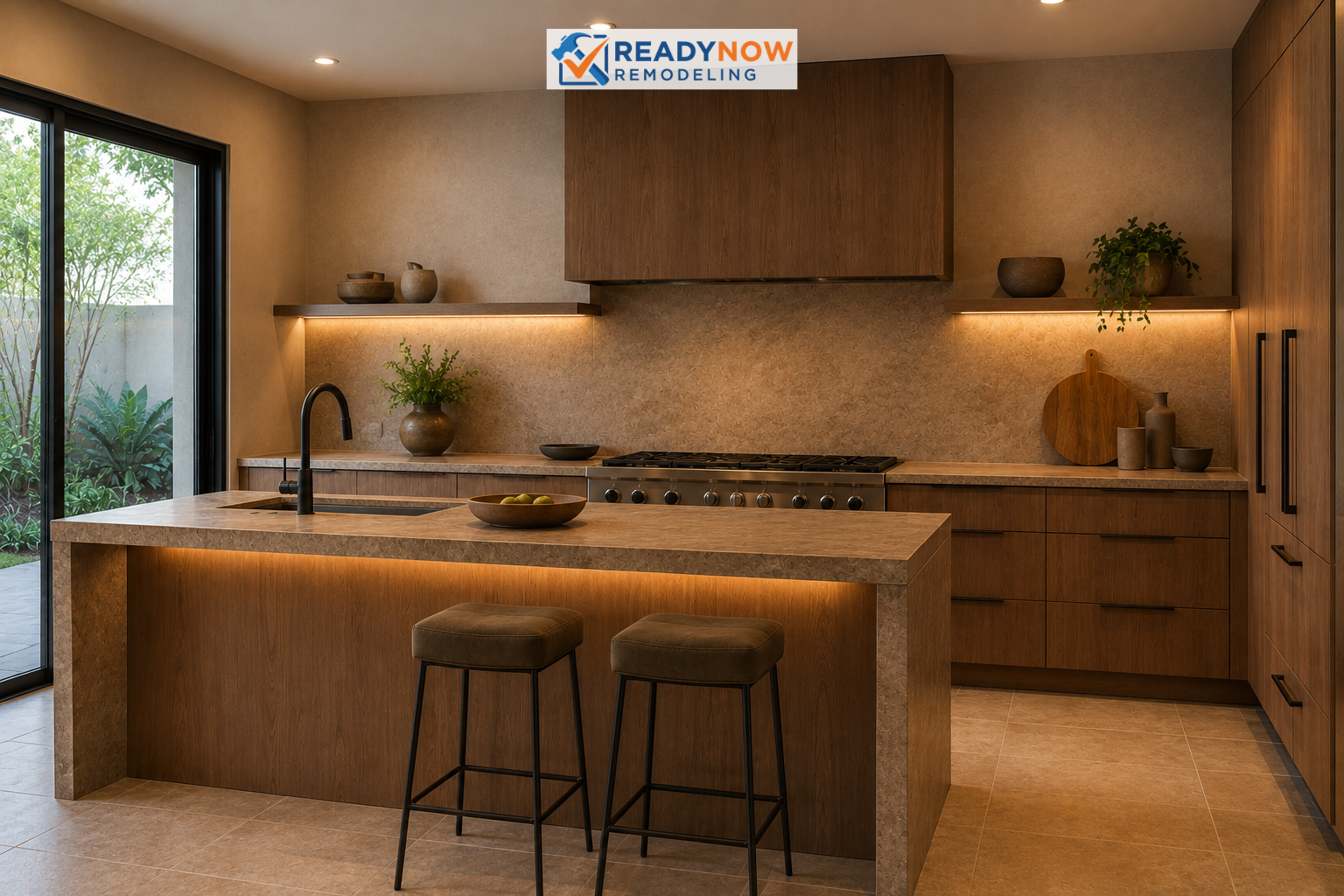
The kitchen is one of the first rooms buyers check out, and it often sets the tone for the rest of the home. You don’t always need a full gut job to boost resale appeal. Sometimes, new cabinet fronts, updated countertops, modern lighting, and fresh paint can make the space feel newer and more functional. If the kitchen is really outdated, even some moderate updates can help your home compete better.
Dallas homeowners often see great results from focusing on function and finish quality. A well-planned countertop replacement, new cabinet installation, or refreshed tile work can make the kitchen feel intentional and well-kept. If the layout is part of the issue, a more substantial kitchen remodeling project might be worth considering, especially if the current setup feels cramped or inefficient.
Bathroom Improvements Buyers Notice Quickly
Bathrooms may be small, but they pack a punch when it comes to buyer perception. Outdated vanities, worn flooring, poor lighting, and old fixtures can make a home feel less valuable. On the flip side, a bright, clean, modern bathroom signals good maintenance. That’s why sellers often see strong results from modest upgrades in these spaces.
Things like bathroom remodeling, painting, and flooring can boost both the look and buyer confidence. If your budget is tight, focus on the most noticeable items first: new mirrors, faucets, lighting, grout repair, and neutral finishes. These changes can make a bathroom feel bigger, cleaner, and more expensive without needing a complete overhaul.
Cosmetic Upgrades with Strong Resale Appeal
Not every project has to be a big deal to add value. Some of the best returns come from easy cosmetic improvements. Fresh interior paint, updated trim, repaired drywall, and better curb appeal often provide more bang for your buck than highly personalized renovations. These projects help buyers picture themselves in the home, which is crucial when listings are competing for attention online.
Opendoor reports that certain mid-range projects, like interior painting and garage door replacement, can deliver some of the best returns. According to their data, interior painting can give about a 107% ROI, while garage door replacement offers around 102% ROI. That doesn’t mean every home will see the same results, but it shows why focusing on appearance is smart before listing.
When Remodeling Before Selling Makes the Most Sense
Homes with Obvious Deferred Maintenance
If your house shows visible wear, outdated finishes, or has neglected repairs, remodeling before selling often makes sense. Buyers tend to discount homes that look like they need work, even if the structure is solid. A property with damaged surfaces, old fixtures, or a poor layout can sit longer and may attract lower offers. Fixing these issues before listing can reduce objections and improve your negotiating power.
In these cases, sellers often start with a fix & flip renovation mindset: clean up the most obvious pain points and make the home look well-maintained. This can include drywall repair, new doors, trim carpentry, and small layout tweaks to make the home feel more polished. A home doesn’t need to be luxury-level to sell well, but it does need to feel cared for.
Homes with Outdated Layouts or Awkward Flow
Some homes aren’t damaged, but they suffer from poor flow. Closed-off rooms, dark interiors, and awkward circulation make a home feel smaller than it is. In those cases, remodeling can dramatically improve appeal because buyers value usable space just as much as square footage. A home that feels brighter and more open often photographs better and shows better in person.
Projects like open-concept conversions, space reconfiguration, and targeted wall removal can change how a home functions. If the walls are structural, you’ll need proper planning and permits, which is why a professional assessment matters. The goal isn’t to overbuild; it’s to create a layout that matches how modern buyers actually live.
Homes That Need a Stronger First Impression
Sometimes the best move isn’t a major remodel but nailing the presentation strategy. Buyers often form opinions within seconds of seeing a listing photo or stepping through the front door, so curb appeal, lighting, and finish quality matter more than many sellers realize. If the home’s best features are hidden behind dated finishes or cluttered spaces, remodeling can help unlock that value.
In Dallas, exterior presentation is especially important because the weather and sun exposure can make aging details stand out. Updating the front entry, improving landscaping, and refreshing exterior finishes can make a meaningful difference. If you want to boost that first impression, consider exterior renovations, new windows, or updated painting before taking photos of the property.
When Selling As-Is May Be the Better Move
Short Timelines and Tight Budgets
Remodeling takes time, and time costs money. If you need to sell quickly because of a job change, family transition, or financial pressure, a pre-sale renovation might not be practical. Even a small project can become stressful if it drags on, especially with potential delays in materials, labor, and inspections. In those situations, selling as-is might give you more flexibility.
Also, think about whether the expected gain will be worth the project’s cost. A home that needs $40,000 in updates might not always get that back at closing. This is where a clear cost-benefit analysis matters. If you’re unsure, check out comparable homes, get professional estimates, and compare the likely sale price difference before committing to work.
Strong Seller’s Market Conditions
Even though Dallas is more balanced now, market conditions can still vary by neighborhood and price point. In a seller’s market, some homes sell quickly even with limited updates because demand exceeds supply. When buyers are competing for inventory, cosmetic flaws might matter less than location, lot size, or school district access.
That said, even in strong market conditions, skipping prep work can leave money on the table. Most sellers should still handle essential repairs, basic cleaning, and presentation improvements before listing. If you’re trying to decide how much to do, a professional consultation can help you separate high-value upgrades from unnecessary expenses. You might find that cosmetic renovations provide enough improvement without a full remodel.
Homes That Are Already Priced Competitively
Sometimes the best “update” is the price itself. If your home is priced right for its condition, buyers might accept some dated features as part of the deal. This works best when the property is sound, clean, and functional. In that case, you might save time and money by focusing on staging, minor repairs, and realistic pricing instead of renovation work.
Still, as-is sales usually require a stronger pricing strategy. Buyers will subtract value for obvious deficiencies, so the listing price must reflect the home’s condition honestly. If you choose this route, plan for better photography, clear disclosures, and a well-prepared showing experience. In many cases, a few targeted fixes can still improve the outcome without turning the sale into a full remodel.
How to Decide Which Projects Are Worth It
Start with a Walkthrough and a Buyer Mindset
The easiest way to decide what to remodel is to look at your home the way a buyer would. Walk from the curb to the front door, then through each room, and ask what seems dated, damaged, or inconvenient. Focus on what creates hesitation rather than what simply reflects your personal taste. Buyers rarely pay more because a home matches a seller’s style; they pay more when it feels easy to move into and easy to maintain.
It can help to bring in a trusted remodeler or agent for a second opinion. A professional can identify which changes are cosmetic, which are functional, and which are structural. If your plan includes layout changes, the team at Whole-Home Remodeling can help evaluate whether a project makes sense before you list. Getting the right advice early on can save you from spending on low-return improvements.
Compare Project Cost to Likely Resale Impact
Every remodeling decision should include a simple comparison: what will the project cost, and how much more marketable or valuable will it make your home? This isn’t always a precise calculation, but it can keep you grounded. A modest budget spent on paint, lighting, and flooring might have a bigger resale effect than a major custom feature that only appeals to a narrow audience. In resale, broad appeal usually wins.
Use available market data, comparable sales, and local expertise to decide where the ceiling is. If updated homes in your area are selling for only slightly more than your current home would, a major remodel might not be justified. But if an upgraded kitchen or bathroom meaningfully changes how your listing competes, the numbers might support the investment. For a budgeting perspective, see the related guide on key remodeling cost factors Dallas homeowners should know.
Consider the Timing of Your Listing
Timing matters almost as much as the work itself. In Dallas, late spring and early summer are often stronger listing windows because buyer activity is typically higher and homes tend to show well in favorable weather. If you're planning improvements, allow enough lead time so you’re not rushing at the end. A well-paced project is usually less stressful and more polished than a last-minute renovation.
Many homeowners benefit from planning renovations six to twelve months before listing. That timeline gives you room to select the right materials, avoid rushed decisions, and complete work without sacrificing quality. If you want a smoother process, our stress-free remodeling planning guide can help you organize the steps and reduce surprises.
Dallas-Specific Factors That Can Affect Your Selling Strategy
Neighborhood Expectations Vary Widely
Dallas isn’t a one-size-fits-all market. Buyer expectations can change a lot from one neighborhood to the next, depending on property style, price range, and how much renovation activity has been happening nearby. A home in one area might need a sleek, modern kitchen to compete, while another might just need clean finishes and good maintenance. Local context matters more than national trends when you’re getting ready to list.
This is why sellers should compare their home to similar properties in nearby neighborhoods, not just citywide averages. If recent listings in your area are heavily updated, your home may need more work to keep pace. If homes are selling based on location and size alone, a lighter touch might be enough. For homeowners considering larger changes, space reconfiguration can sometimes improve value without the expense of adding square footage.
Weather and Seasonality Influence Planning
Dallas summers can be hot, which affects both labor comfort and project timelines. Exterior work, paint curing, and certain material installations can be more convenient during cooler months. That makes early planning important if you want to remodel before listing in peak season. Seasonal timing can influence contractor availability, cost, and how quickly the project moves.
If your home needs exterior attention, this is a good time to think strategically. New doors, improved windows, and refreshed patios or decks can strengthen curb appeal while supporting energy efficiency and outdoor enjoyment. For homeowners who want to improve the home’s value while preparing to sell, these updates can work well alongside smaller cosmetic changes.
Real-World Examples of Remodeling Before Selling
A Kitchen Refresh That Increased Buyer Demand
One Dallas homeowner decided to update a dated kitchen before listing by replacing old countertops, refreshing cabinetry finishes, and adding modern lighting. The result was a brighter, more open space that photographed extremely well. The home sold within two weeks for 15% above the asking price, showing how targeted upgrades can influence buyer perception and competition.
What made this project successful wasn’t extravagance, but restraint. The homeowner avoided bold colors and custom features that might have narrowed appeal. Instead, the updates made the room look clean, functional, and easy to personalize. This is the kind of outcome many sellers can pursue with thoughtful countertops, cabinets, and lighting design choices.
A Bathroom Upgrade That Improved Offer Quality
Another homeowner renovated two bathrooms with new fixtures, improved tile, and updated vanities before selling. The property ultimately received stronger offers than similar nearby homes without updates and achieved a 20% higher sale price. Buyers responded to the feeling that the home had been maintained and modernized rather than left to age in place.
Bathroom improvements can be especially persuasive because they touch everyday routines. A buyer may not notice every detail during a showing, but they do notice whether a bathroom feels clean, functional, and current. If you are weighing where to invest, bathroom remodeling often belongs high on the list because it can create a strong emotional response without requiring a whole-home overhaul.
Staging, Presentation, and the Final Mile Before Listing
Why Staging Can Magnify the Value of Your Upgrades
Even the best remodel can fall flat if the home isn’t presented well. Staging helps buyers understand scale, purpose, and flow. It also reduces distractions by making rooms feel larger and more welcoming. In a resale context, staging often amplifies the impact of your renovation and can make the difference between a quick showing and a lingering listing.
Industry guidance from sources like Livingetc’s discussion of home staging supports the idea that presentation can materially affect buyer interest. When furniture placement, color choices, and decor feel balanced, buyers can focus on the home’s features rather than imagining what needs to be changed. If you are already investing in updates, staging is a logical next step.
Simple Improvements That Elevate Photos and Showings
Not every seller needs a major renovation to make a strong impression. Fresh paint, clean trim, updated flooring, and a neutral palette can help almost any home show better. Small details such as new hardware, polished fixtures, and repaired surfaces also matter because they show care and attention. Buyers often interpret these details as evidence that the home has been maintained well over time.
For many listings, these smaller updates pair well with painting, drywall, and trim carpentry. If the property has a dated exterior or tired entryway, consider pairing interior improvements with exterior renovations so the home looks cohesive from the street to the back patio. The goal is consistency, not perfection.
Frequently Asked Questions About Remodeling Before Selling
Should I Remodel if I Plan to Sell Soon?
If you plan to sell very soon, focus only on improvements that solve obvious problems or remove buyer objections. Cosmetic fixes, repairs, and cleanup usually make more sense than major structural changes. If a project will delay your listing or stretch your budget, it may be better to price strategically and sell as-is.
What Are the Safest Projects for Resale?
The safest projects are usually neutral, functional, and broadly appealing. Interior paint, flooring repairs, minor kitchen refreshes, bathroom updates, and curb appeal improvements tend to resonate with many buyers. If you want to reduce risk further, prioritize projects that make the home feel cleaner, brighter, and easier to move into.
How Do I Know if a Bigger Remodel Is Worth It?
A bigger remodel is worth it when the current condition is clearly holding the home back, and the projected sale improvement justifies the expense. Look at comparable homes, talk with local professionals, and consider how long the project will take. If the home’s layout or core features are the main drawback, a more substantial investment may be reasonable.
The Smartest Way to Decide What to Do Next
The best answer to “Should you remodel before selling your home?” is often “it depends on the home and the market.” For some sellers, a few strategic updates are enough to improve appeal and support a stronger offer. For others, a larger renovation may be the difference between a home that lingers and one that sells quickly. The key is to invest where buyers will notice and where the numbers make sense.
If your home needs a better layout, a more attractive kitchen, or a refreshed bath before it hits the market, ReadyNow Remodeling can help you evaluate the options and choose the right scope. We work with Dallas homeowners who want smart improvements that support resale value without wasting time or money. Whether you are considering cosmetic renovations, kitchen remodeling, or a more complete whole-home remodeling plan, the best first step is a clear, honest conversation about goals and budget.
If you are preparing to sell and want expert guidance, contact ReadyNow Remodeling at (214) 247-6397 or visit ReadyNowRemodeling.com to start planning the improvements that can help your home sell with confidence.