Why Remodeling Projects Take Longer Than Expected
When you're planning a remodel, you probably hope it sticks to the schedule. But let's face it, things often take a bit longer in real life. Even with the best planning, timelines can stretch due to things like permit reviews, surprises inside the walls, or materials being on backorder. If you're getting ready for a renovation in Dallas, knowing about these potential hiccups can help you set realistic expectations and keep your stress levels in check.
This guide will walk you through common reasons remodeling projects run over schedule, how to avoid unnecessary delays, and ways to keep your project on track. Whether you're thinking about sprucing up your kitchen, refreshing the bathroom, or going for a full transformation with whole-home remodeling, being informed helps you make smarter choices. Even focused upgrades like kitchen remodeling and bathroom remodeling can hit the same roadblocks if planning is rushed or changes happen mid-project.
Research backs this up: only about 37% of home remodeling projects finish on time, while 31% take longer than planned. This makes schedule overruns pretty common. Supply chain issues and labor shortages have only made things tougher, so early planning is more important than ever. For more on these challenges, the U.S. General Services Administration offers some useful info about construction planning at GSA Design and Construction.
The Biggest Reasons Remodeling Timelines Slip
Hidden problems inside the home
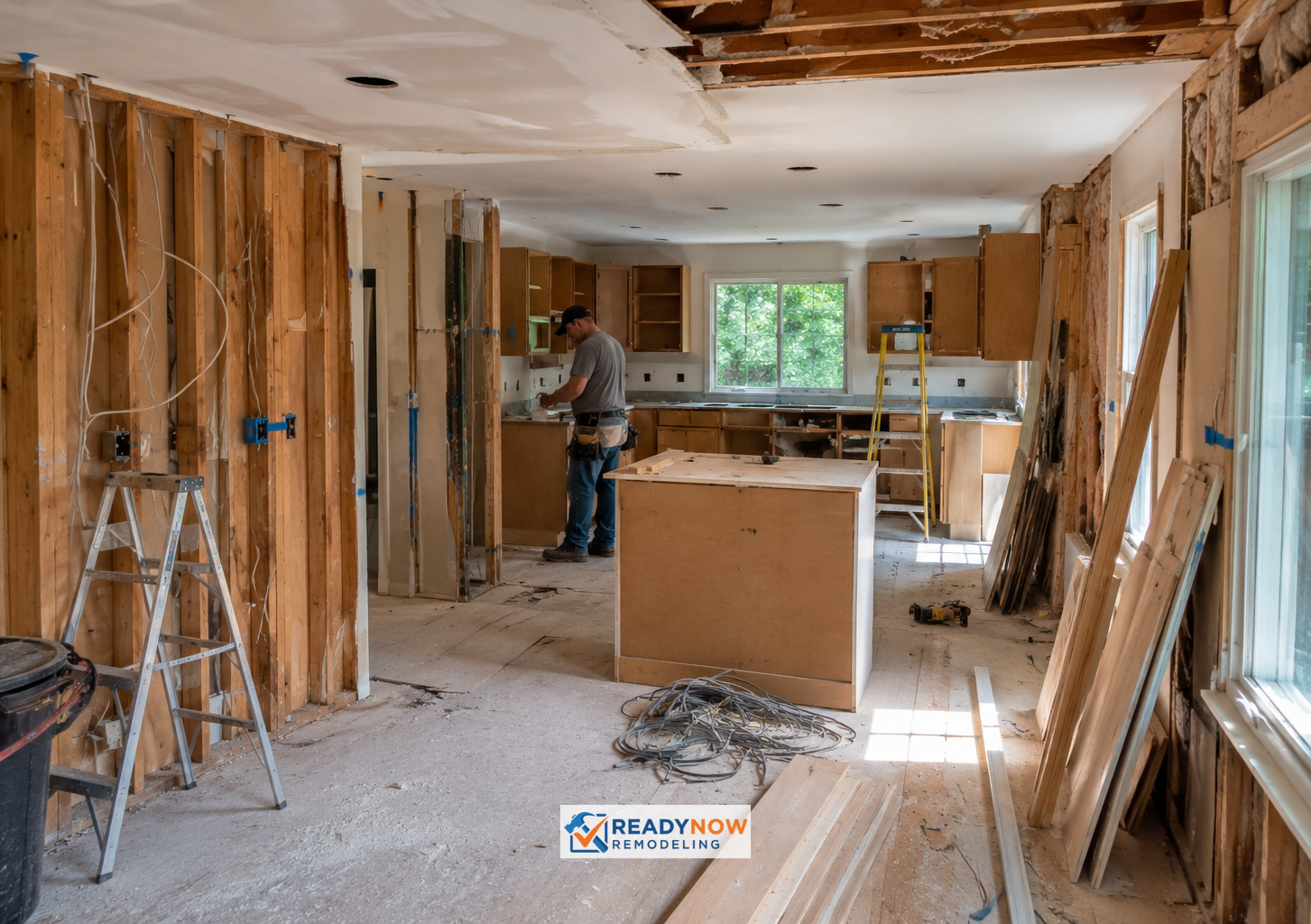
One of the main reasons projects run late is discovering unexpected issues after demolition starts. Once walls are opened, contractors might find damaged framing, outdated wiring, plumbing leaks, or structural concerns that need fixing before moving forward. These discoveries don't mean mistakes were made; they just reveal what the home truly needs.
Take a basic interior renovation as an example. It might uncover drywall damage or subfloor issues that require additional framing and repairs. A project that seemed simple on paper can quickly become more complex once the existing conditions are exposed. This is why experienced contractors build in extra time and encourage homeowners to avoid planning around the quickest possible timeline.
Permit approvals and inspections.
Permits are another big source of delays, especially for structural changes, additions, or any electrical or plumbing updates. A permit that seems routine can still take longer if reviewers request changes or if the queue is long. In Dallas, local rules may impact how fast plans move through the approval process, and inspection timing can also influence the completion date.
If you're planning additions or layout changes, expect permitting to be part of the timeline from the get-go. Services like home additions and room additions typically require more coordination because of their impact on structure, zoning, and code compliance. The U.S. Department of Housing and Urban Development provides more info on housing and development standards at HUD.
Material shortages and shipping delays
Material lead times have become a bigger issue since the COVID-19 pandemic disrupted manufacturing and transportation networks. Items like cabinets, flooring, windows, countertops, and specialty fixtures may take weeks or even months to arrive. When one product is delayed, the entire project can stall because trades cannot complete their work until the required components are on site.
This is especially true for custom or semi-custom finishes. A homeowner may choose beautiful new cabinets or a specific countertops package only to learn that the selected product has an extended backorder window. Selecting materials early, confirming stock levels, and approving final finishes before demolition starts are some of the best ways to protect the schedule.
How Planning Decisions Affect the Schedule
Scope changes during construction
Even a well-planned remodel can slow down when homeowners make changes after work begins. Swapping layouts, changing materials, adding extra features, or rethinking finishes can all add time. A project originally designed as a cosmetic update may become a much larger renovation if the scope expands after demolition reveals more possibilities.
This is why detailed planning matters so much. The more decisions you finalize before the first day of demolition, the fewer delays you are likely to face later. If your remodel includes layout changes, services like space reconfiguration or open-concept conversions require especially careful planning because structural modifications and finish coordination can create new timing dependencies. Good project management is not just about moving faster; it is about making fewer avoidable changes once the work is already underway.
Poor sequencing of work
Remodeling involves multiple trades that must complete tasks in a specific order. Framers, electricians, plumbers, drywall installers, painters, flooring crews, tile setters, and finish carpenters all rely on each other. If one step falls behind, the following steps may have to wait. Even a short delay can create a ripple effect that affects the full schedule.
That is why a remodel is more like a chain of connected tasks than a single project. If custom trim is delayed, for example, the completion of trim carpentry may be pushed back, which then affects painting and final punch-list work. Homeowners often see only the visible progress, but behind the scenes, successful scheduling depends on precise sequencing and consistent communication.
Underestimating lead times
Many homeowners assume all materials will arrive quickly because they can be ordered online or seen in a showroom. In reality, even products that look standard can have long lead times, especially when demand is high. Flooring, windows, lighting, and specialty doors often require advance ordering to avoid bottlenecks later in the project.
Experts recommend selecting major materials early in the design phase. For example, if your project includes flooring or windows, confirming availability before demolition can save weeks of waiting. Similarly, exterior upgrades like exterior renovations often depend on weather, manufacturer delivery dates, and inspection timing, so planning is essential for keeping momentum.
Labor Shortages and Trade Scheduling Challenges
Limited availability of skilled trades
The construction industry continues to experience labor shortages, which makes scheduling harder than it used to be. When fewer crews are available, it can take longer to line up electricians, plumbers, drywall finishers, and specialized installation teams. That does not always mean the project is poorly managed; sometimes it simply reflects a competitive labor market.
Labor availability matters even more when a remodel requires multiple specialized skills. A bathroom or kitchen project may need coordinated work across plumbing, electrical, tile, cabinet installation, and painting. Services like tile and painting require proper sequencing, and if one trade gets delayed, the whole job can shift. Homeowners should expect some flexibility and keep open communication with their remodeling team.
Weather and seasonal constraints
In Dallas, the weather can also influence the pace of a renovation. Summer heat can make outdoor work uncomfortable and can affect material curing times, while rain can delay exterior tasks or site access. Projects involving decks, patios, roofs, windows, or siding may be especially vulnerable to weather-related interruptions.
If your remodel includes outdoor improvements like decks or patios, it is wise to build extra time into the schedule. Temperature swings and moisture conditions can change the timing of concrete pours, paint drying, and adhesive curing. Weather is not always predictable, but good contractors plan for it rather than pretending it will never happen.
Communication gaps between parties
Another hidden cause of delay is miscommunication between the homeowner, contractor, designer, suppliers, and subcontractors. A missing approval, a delayed selection, or a misunderstood instruction can slow progress. Even small communication breakdowns can create days of lost time if they are not addressed quickly.
Clear documentation helps reduce this risk. Homeowners should confirm decisions in writing, review schedules regularly, and ask how changes will affect the completion date. Public project management resources from universities, such as MIT OpenCourseWare, offer useful insight into why coordination and dependency tracking are so important in any complex project. The same principles apply in remodeling: good communication keeps the moving parts aligned.
What Happens When Permits or Structural Issues Appear
Permit revisions and backlogged reviews
One real-world example involved a homeowner in Westchester County whose permit process took several weeks longer than expected because reviewers were backlogged and revisions were requested. This kind of delay is frustrating, but it is also common. A clean plan set does not always guarantee a quick approval if the local office is busy or if the project requires clarification.
Dallas homeowners planning structural work should account for these possibilities early. If your remodel involves wall changes, openings, or framing modifications, services such as wall removal and framing changes may need additional review before construction can begin. The best approach is to treat permit timing as a variable, not a fixed number.
Structural surprises after demolition
Some of the biggest delays happen when a remodeling team discovers the home needs more than cosmetic updates. A floor may be uneven, an opening may not be load-bearing in the way expected, or older structural elements may need reinforcement. These findings are especially common in older homes, where prior renovations may not have been documented well.
When structure changes are needed, the project may require engineering input, extra materials, and new inspections. That is why homeowners should understand that a remodel is not always a straight path from demolition to finishes. In more complex cases, whole-home remodeling can provide the best framework for coordinating structural corrections, layout improvements, and finish selections as one unified process.
Case Studies That Show Why Timelines Change
A kitchen with custom cabinetry delays
In one Dallas remodeling case, a project was delayed because custom cabinetry took 8 to 14 weeks to arrive. The team could not finish countertop work, backsplash installation, or final hardware placement until the cabinets were delivered. The home still moved forward, but the completion date shifted because one product became the critical path item.
This is a classic example of why it helps to order long-lead items early. If your remodel includes custom storage, specialty millwork, or built-in features, asking about production timing should be part of your first planning conversation. A carefully sequenced kitchen remodel can still be efficient, but only if the biggest dependencies are identified from the beginning.
A bathroom that revealed hidden plumbing issues
Bathroom remodels often seem straightforward until the walls come open. Older plumbing may need to be rerouted, fixtures may require upgraded venting, or water damage may be discovered around the subfloor. These problems can add time, especially if the work must be inspected before moving forward.
For this reason, bathroom remodeling should never be scheduled too tightly. Once hidden plumbing or moisture issues appear, the project may need extra mitigation before new tile, vanity, or shower work can continue. This is not a failure of planning so much as a normal part of working in an existing home.
An addition slowed by approvals and coordination.
Projects involving added square footage often experience multiple layers of delay: design revisions, permit review, foundation work, framing, inspections, and finish work. A simple delay in one phase can push the next phase further back. Home additions are rewarding because they expand livable space, but they are also among the most schedule-sensitive projects.
If your goals include a new bedroom, office, or family room, home additions can add major value, but only when the schedule is built with realism. The broader the scope, the more important it becomes to manage expectations around lead times, inspections, and trade availability.
How to Reduce Delays Before the Project Starts
Finalize decisions early
The easiest delays to avoid are the ones caused by late decisions. Before work begins, homeowners should choose as many materials, finishes, fixtures, and layout details as possible. The more decisions that are made upfront, the fewer questions the crew has to answer once demolition is underway.
Early decisions are especially important for finishes that affect multiple trades. Cabinet selections influence countertop measurement timing; flooring choices affect installation dates; and lighting selections can affect rough-in planning. If you are unsure where to start, focusing on long-lead items first is one of the smartest ways to protect your schedule.
Build contingency time into the plan.
A realistic remodeling schedule should always include buffer time. Even with good planning, unexpected issues can arise. Industry best practice is to assume the project may take longer than the most optimistic estimate and to plan accordingly.
That does not mean you should expect failure. It means you should create room for the unknown. A project schedule with a buffer allows contractors to solve problems without feeling pressured to rush through critical work. It also helps homeowners stay calm if a small delay occurs, because it was already anticipated as part of the process.
Work with a team that communicates clearly.
Strong communication is one of the best predictors of a smoother project. Homeowners should ask how updates will be shared, how selections are approved, and who will explain schedule changes if they occur. When everyone knows the process, there are fewer misunderstandings and fewer surprises.
At ReadyNow Remodeling, the goal is to help Dallas homeowners move through renovations with clear expectations and dependable craftsmanship. Whether the project involves garage conversions, attic conversions, or basement finishing, clear planning and regular updates help keep the work organized and easier to manage.
Frequently Asked Questions About Remodeling Delays
What causes remodeling delays most often?
The most common causes are hidden structural issues, permit delays, material backorders, labor shortages, and scope changes. In many cases, more than one of these factors occurs in the same project. That is why a remodel can seem to slow down suddenly, even when it started well.
How can I minimize delays?
Start planning early, make product selections before demolition, approve drawings quickly, and communicate regularly with your contractor. It also helps to order long-lead materials as soon as design decisions are finalized. Projects with clear schedules and fewer midstream changes usually stay closer to the original timeline.
Should I expect delays on every remodel?
Not every project will run late, but it is wise to expect some degree of flexibility. Even the most efficient teams cannot control every variable, especially when working with existing homes. A realistic mindset makes the remodeling experience less stressful and more successful.
Conclusion: Realistic Timelines Lead to Better Results
Remodeling projects take longer than expected for many understandable reasons, from permit approvals and labor shortages to hidden repairs and shipping delays. The good news is that most of these issues can be managed more effectively when homeowners plan early, finalize selections, and work with a team that explains the process clearly. A slower timeline is not always a sign of poor performance; often, it reflects the reality of improving an existing home safely and correctly.
If you are considering a remodel and want a clearer, more organized process, the best next step is to start with a detailed conversation about scope, materials, and timing. From fix & flip renovations to full-home transformations, proper planning gives your project a stronger chance of finishing well, even if it does not finish perfectly on the first try. For more information about our services, visit ReadyNowRemodeling.com or contact our Dallas team to discuss your goals, timeline, and next steps.