Transform Your Daily Routine with Modern Bathroom Remodeling Ideas
Your bathroom should be more than just a stop on your way through the day. It can make your mornings smoother, your evenings calmer, and your daily routines more manageable. A well-planned bathroom remodel can enhance storage, lighting, comfort, and durability, turning an outdated space into one that truly supports your lifestyle.
For those considering a smarter renovation path, updating your bathroom can set a positive tone for the entire home. Whether you're planning a whole-home remodeling project or focusing on bathroom remodeling, making the right design choices can significantly improve your everyday life. If you're aiming for a bathroom that works better and feels more comfortable, this guide will walk you through key ideas, from layout planning to finishing touches.
It's important to ground your project in practical considerations like safety, ventilation, and accessibility before you begin. Trusted sources like the U.S. Department of Energy on ventilation and moisture control at energy.gov and the Centers for Disease Control and Prevention on indoor air quality at cdc.gov offer useful guidance for creating a healthier home environment.
Why a Modern Bathroom Remodel Matters
Better Routines Start with Better Design
Bathrooms are some of the most frequently used rooms in any home, so even small design frustrations can add up quickly. A cramped vanity, poor lighting, or awkward shower placement can disrupt your mornings and make the room less enjoyable. A modern remodel can solve these issues by improving flow, adding function, and reducing clutter.
Many homeowners find that the value of a remodel goes beyond appearance. A well-designed bathroom can reduce stress, improve efficiency, and help organize your household. This is especially true when the remodel includes practical improvements like better plumbing placement, upgraded storage, and smarter traffic flow.
Comfort and Resale Value Both Benefit
Modern bathroom upgrades are appealing because they serve two purposes: they improve your current living experience and make your home more attractive to future buyers. Buyers often notice clean lines, updated fixtures, and durable finishes right away. Even if you're not planning to sell soon, these features can enhance your home's long-term value.
Projects that include durable materials, energy-efficient fixtures, and a thoughtful layout are generally more worthwhile than cosmetic changes alone. A bathroom that looks good but doesn't function well won't provide the same satisfaction. That's why homeowners often pair aesthetic updates with practical services like interior renovations or related trim and finish work to make the entire space feel complete.
Improving Daily Quality of Life
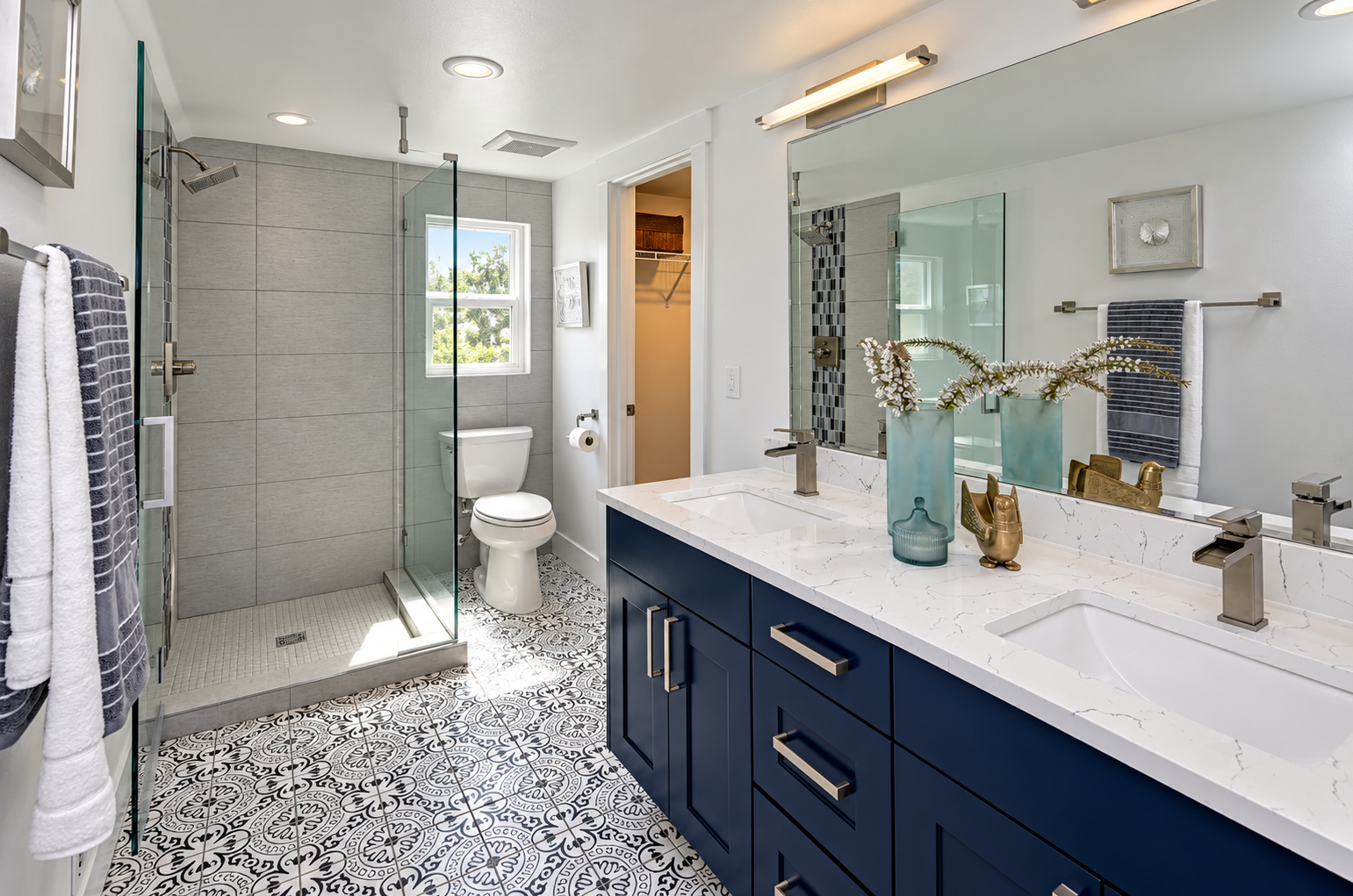
Good bathroom design can influence how quickly people get ready, how easily they clean the space, and how relaxed they feel at the end of the day. For instance, a double vanity can reduce morning bottlenecks in busy households. A walk-in shower can make the room easier to use and simpler to maintain.
These improvements may seem small on their own, but together they create a more functional home. The main goal of a modern remodel is not just a prettier bathroom, but a better everyday experience. The most successful projects make routine tasks smoother without sacrificing style.
Planning a Bathroom Remodel That Fits Your Lifestyle
Start with a Clear List of Problems
Before choosing materials or finishes, identify what's not working in your current space. Is the shower too small? Is there not enough storage for toiletries and towels? Does the room feel dark, outdated, or hard to clean? A clear list of frustrations gives your remodel purpose and helps prioritize the budget.
Homeowners often find it helpful to rank issues by impact. For example, a broken layout might need more attention than decorative updates, while poor ventilation may need addressing before any cosmetic work begins. If your bathroom is part of a larger layout challenge, a broader approach through space reconfiguration might create a better long-term result than a superficial refresh.
Think About Who Uses the Bathroom Daily
A bathroom used by one adult has different needs than a family bathroom shared by multiple people. A primary suite may need spa-inspired comfort, while a hall bathroom requires easy maintenance and reliable durability. Families with children might value more storage and stronger finishes, while aging homeowners may prioritize accessibility and low-threshold entry.
Designing around real usage patterns ensures that the finished space supports daily life instead of just looking good in photos. This is where thoughtful planning pays off most. A remodel that matches your habits will always feel more successful than one based only on trends.
Set a Realistic Budget Early
Bathroom remodel costs can vary widely depending on size, scope, and material choices. Labor, plumbing changes, tile work, cabinetry, lighting, and waterproofing all affect the final total. Setting a budget early helps you decide where to splurge and where to save.
A good rule of thumb is to reserve part of the budget for surprises, especially in older homes where hidden plumbing issues or water damage may appear during demolition. Homeowners who plan carefully usually experience less stress and make better decisions along the way. This is especially true when working with a team that explains trade-offs clearly and keeps the project aligned with your goals.
Layout Changes That Make the Biggest Difference
Improve Traffic Flow and Open Up the Room
In many bathrooms, the biggest improvement comes from changing how the room is arranged. Moving a vanity, adjusting the shower footprint, or rethinking door swings can open up valuable floor space. Even modest layout changes can make the room feel larger and easier to move through.
If the room has unnecessary barriers or awkward transitions, a more open layout can produce a dramatic improvement. In some homes, a strategic wall change or opening can allow for a better shower, more storage, or a more natural route between fixtures. That's why services like wall removal and open-concept conversions might be useful in broader remodeling plans where bathroom changes connect to adjacent spaces.
Prioritize the Shower and Vanity Zones
The shower and vanity are the two most-used features in most bathrooms, so they deserve the most attention. A larger shower with a frameless glass enclosure can make the room feel cleaner and more contemporary. A vanity with adequate counter space and well-designed storage can keep clutter under control.
It's also worth considering whether the current fixture placement supports comfort. For example, a vanity that feels too narrow or a toilet that is positioned too close to a wall can make the room less functional. During planning, a remodeling professional can help you compare options that improve comfort without forcing a full addition.
Consider Storage During Layout Planning
Storage is often overlooked until the end of the design process, but it should be built into the layout from the beginning. Recessed medicine cabinets, drawer organizers, tall linen cabinets, and built-in shelving can all reduce surface clutter. A clean, modern bathroom depends on having a place for everything.
Thoughtful storage also makes cleaning easier. When fewer items sit out on counters or around the tub, the room looks calmer and takes less effort to maintain. That's one reason many homeowners choose cabinet solutions that balance beauty and function, especially when paired with professional cabinets and carefully selected countertops.
Materials and Finishes That Create a Modern Look
Choose Durable Surfaces First
Modern design works best when it's practical. High-quality tile, quartz, solid-surface countertops, water-resistant paint, and durable flooring all contribute to a space that lasts. These materials are popular because they resist everyday wear while keeping the room visually clean and cohesive.
Bathrooms experience constant moisture, so finish selection matters more here than in many other rooms. The National Kitchen and Bath Association emphasizes the importance of durable, water-appropriate materials in wet environments, and industry guidance from nkba.org is a helpful reference when comparing product choices. Durable materials protect your investment and reduce the chance of premature repairs.
Tile Can Set the Design Tone
Tile is one of the strongest visual tools in a bathroom remodel. Large-format tile can make a space feel bigger and more streamlined, while textured tile can add depth without clutter. Floor-to-ceiling tile in a shower creates a polished look and improves water protection.
Patterns and grout color also matter. A simple layout with neutral grout feels timeless, while a bolder pattern can give the room personality. For homeowners who want a lasting finish, professional tile installation can make a major difference in both appearance and performance.
Use Finishes to Balance Warmth and Modern Style
Many homeowners assume modern design has to feel cold, but that's not true. The best modern bathrooms blend clean lines with warm touches such as matte hardware, wood accents, or soft paint colors. This creates a room that feels current without becoming sterile.
Finishes should work together, not compete. If your vanity is bold, keep the tile subtle. If the tile makes a statement, let the fixtures be simple. This balance helps the bathroom feel intentional and inviting instead of overly busy.
Lighting, Ventilation, and the Details That Matter Most
Layered Lighting Improves Usability
Lighting is one of the most underrated parts of a bathroom remodel. A good design usually includes overhead lighting, task lighting around the mirror, and softer ambient light for evening use. This layered approach makes the room more functional for grooming and more relaxing when the day is done.
Natural light is equally valuable. If your bathroom has a window, consider treatments that protect privacy while still letting in daylight. When new windows are needed, upgrading through windows can improve comfort and energy performance while brightening the room.
Ventilation Protects the Remodel
Moisture is one of the biggest threats to any bathroom. Without proper ventilation, mold, mildew, peeling paint, and warped finishes can appear over time. A quality exhaust fan and properly sealed surfaces help protect the remodel and maintain healthier indoor air.
The Environmental Protection Agency notes that controlling moisture is a key step in preventing mold growth, and its guidance at epa.gov is useful for homeowners who want to better understand the risks. In a remodel, ventilation is not an afterthought; it's part of protecting the long-term quality of the room.
Small Details Make the Room Feel Finished
Details like trim, door style, mirror shape, and hardware finish help define the personality of the bathroom. Clean trim lines and coordinated fixtures make a space feel complete. Even simple updates such as better towel bars, upgraded faucets, and improved door hardware can raise the overall impression.
If your remodel includes broader finishing work, services like trim carpentry, doors, and painting can help pull the whole design together. These finishing touches often separate a basic remodel from a truly polished one.
Accessibility and Long-Term Comfort
Design for Today and Tomorrow
A modern bathroom should be comfortable not only now but also years from now. Features like wider clearances, low-threshold showers, and easier-to-reach storage can make a room more flexible over time. Even homeowners who do not currently need accessibility features may appreciate them later.
This doesn't mean the bathroom has to look clinical or institutional. Accessibility can be integrated beautifully with modern design through smart fixture choices, attractive grab bars, and a clean layout. Planning ahead is one of the smartest ways to protect your investment and reduce future renovation needs.
Think About Aging in Place
Many homeowners want to remain in their homes longer, which makes aging-in-place design increasingly relevant. A curbless shower, non-slip flooring, comfort-height toilet, and better lighting can all make a bathroom safer and easier to use. These features are especially useful for households planning long-term occupancy.
When these improvements are incorporated early, they often feel seamless rather than added on. They can also improve resale appeal because they make the home more broadly usable. That balance of practicality and style is a hallmark of a thoughtful remodel.
Use Durable Design Choices to Reduce Maintenance
Low-maintenance design is valuable for every homeowner. Easy-clean surfaces, fewer grout joints, and efficient storage reduce the time needed to keep the room looking good. When the bathroom is easier to maintain, it stays attractive longer and causes less daily frustration.
For many projects, this is where a combination of good planning and strong craftsmanship matters most. If you're considering a wider update that extends beyond the bathroom, related services like flooring and drywall can help create a consistent, low-maintenance finish throughout the home.
A Step-by-Step Bathroom Remodel Process
1. Define Goals and Scope
Start by deciding what success looks like. Do you want a more luxurious suite, a cleaner family bathroom, or a better layout for daily use? The clearer the goal, the easier it is to make design decisions that support it.
Once the goal is defined, outline the scope of work. That may include fixture replacement, layout changes, storage updates, tile installation, lighting upgrades, and paint. A defined scope keeps the project focused and helps avoid unnecessary changes that can stretch the budget.
2. Plan the Layout and Materials
Next, select the core layout and materials that will shape the room. This includes cabinetry, countertops, tile, fixtures, and lighting. At this stage, it's worth comparing options based on durability, maintenance, and compatibility with the rest of the home.
Homeowners who want a more cohesive result may also connect bathroom choices to broader remodeling plans. For example, if you're refreshing multiple rooms, coordinating the bathroom with home makeovers and cosmetic renovations can help create visual consistency throughout the house.
3. Build, Inspect, and Finish
Construction begins once the design is approved and materials are ready. During this phase, careful installation and regular communication are critical. Plumbing, waterproofing, tile setting, electrical work, and finish installation all need to happen in the correct sequence.
After the main work is complete, final inspections and detail work make the difference between a decent remodel and an excellent one. Caulk lines, paint touch-ups, hardware alignment, and cleanup all matter. A final walkthrough should confirm that every feature functions properly and matches the original design intent.
Common Mistakes to Avoid During a Remodel
Choosing Style Before Function
Beautiful finishes matter, but they shouldn't come at the expense of usability. A shower that looks great but feels cramped will quickly become frustrating. A vanity that's stylish but lacks storage will create clutter over time.
The best remodels prioritize everyday use first and then layer in style. That approach creates a room that still feels current years later because it works well in real life, not just in photographs.
Ignoring Moisture Protection
One of the most expensive mistakes is underestimating how much damage moisture can do. Poor ventilation, weak waterproofing, or low-quality materials can create problems that are expensive to fix. These issues may not appear immediately, but they often show up after the project is complete.
Protecting against moisture should be considered part of the remodel, not an optional upgrade. Good construction practices preserve both beauty and function.
Overlooking the Finishing Details
Sometimes the biggest disappointment comes from the last 10 percent of the project. Lighting that's too harsh, mirror placement that's awkward, or mismatched hardware can undermine an otherwise excellent design. Finishing details deserve the same attention as layout and materials.
If your remodel includes larger structural or space-planning changes, services such as room additions or home additions may also enter the conversation, especially when the current footprint simply can't support your goals. In those cases, a broader planning process helps avoid costly compromises.
Frequently Asked Questions About Bathroom Remodeling
How Long Does a Bathroom Remodel Usually Take?
Timelines vary depending on the size of the room, the amount of plumbing or electrical work involved, and whether materials are ready before construction starts. A straightforward update may take less time than a full layout change. Planning ahead and ordering materials early can prevent delays.
What Upgrades Add the Most Everyday Value?
Storage, lighting, shower functionality, and better ventilation usually provide the most noticeable daily benefits. These improvements make the room easier to use and easier to maintain, which is often more valuable than decorative changes alone. Many homeowners also appreciate upgraded countertops and cabinetry for their practical impact.
Should I Remodel a Bathroom Before Selling My Home?
In many cases, yes, if the bathroom is outdated, poorly maintained, or functionally frustrating. Buyers often respond well to clean, modern bathrooms because they suggest the home has been cared for. That said, the right level of investment depends on the condition of the home and the local market.
Can a Bathroom Remodel Be Part of a Larger Project?
Absolutely. Many homeowners start with one room and then expand into a broader plan that includes kitchen, storage, or layout improvements. A coordinated approach can create a more consistent design throughout the home and may be more efficient than tackling projects separately.
Bring Your Daily Routine Up to Date
A modern bathroom remodel is more than a design upgrade. It's a chance to make daily routines smoother, reduce clutter, improve comfort, and add long-term value to your home. With the right layout, materials, lighting, and craftsmanship, the bathroom becomes one of the most useful and enjoyable spaces in the house.
If you're ready to make your bathroom work better for your lifestyle, thoughtful planning is the best place to begin. ReadyNow Remodeling helps homeowners create spaces that feel more functional, more beautiful, and more aligned with everyday living. Explore our bathroom remodeling options, learn about related interior renovations, or contact our team to discuss a project that fits your goals.
Start with a clear vision, choose durable materials, and focus on the features you use most. Then build a bathroom that supports your routine every single day. If you're ready to take the next step, call ReadyNow Remodeling at (214) 247-6397 or visit readynowremodeling.com to begin planning your transformation.