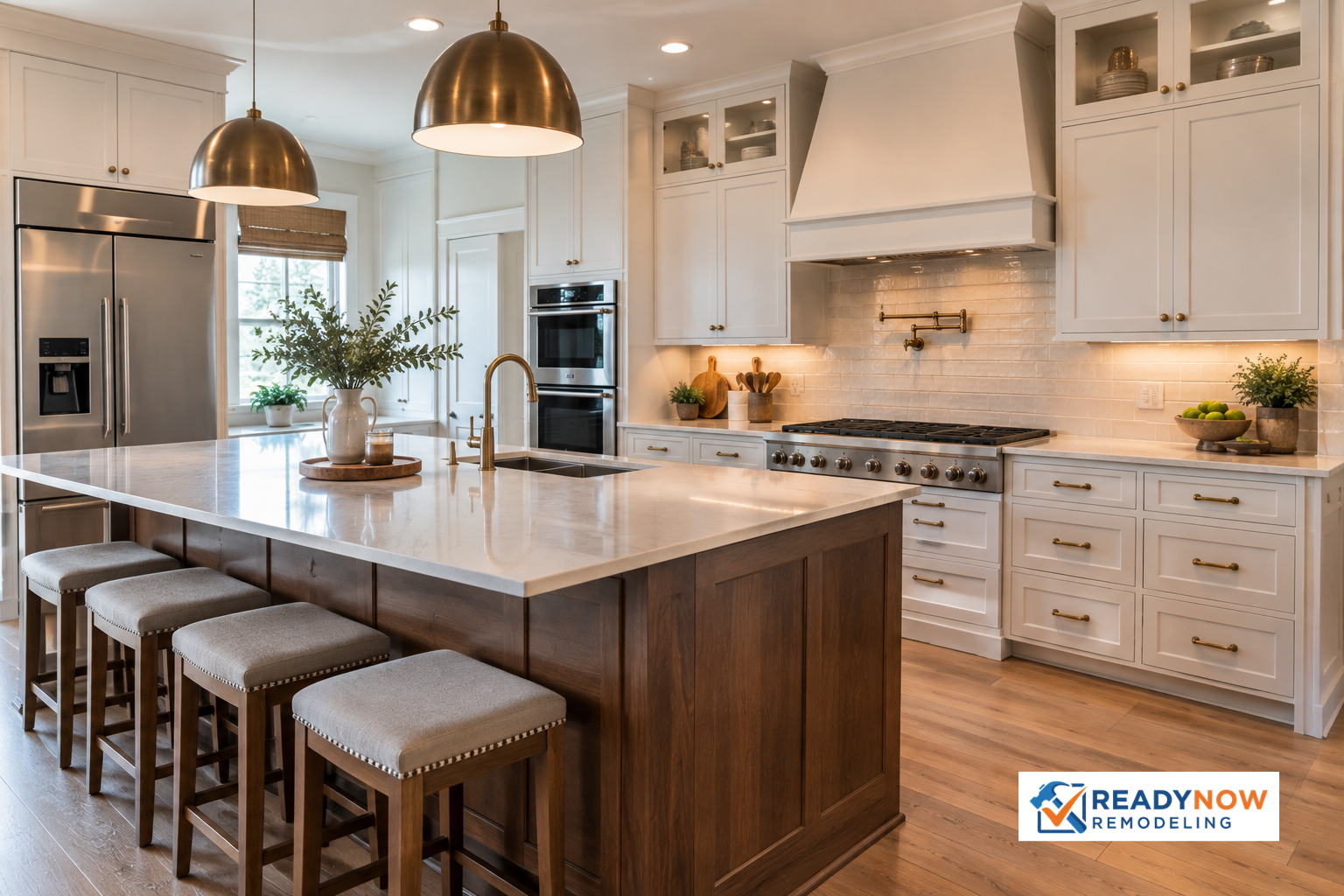
Picking out new flooring is a big deal because it changes how your home looks and feels every day. It needs to fit your lifestyle, budget, and the way each room works, whether you’re just updating one room or tackling a larger project like whole-home remodeling. Let's dive into the pros and cons of hardwood, tile, and vinyl to help you decide which one suits your space, family, and long-term plans best.
Flooring catches the eye of potential buyers too, affecting resale value and overall appeal. According to the National Association of Home Builders, homeowners prioritize durability, maintenance, and looks when considering upgrades. If you're remodeling bit by bit, pairing flooring choices with related projects like interior renovations or kitchen remodeling can give everything a more unified look.
Start With How Your Home Functions
Think room by room, not just about the material
The best flooring choice depends on where it will go. A bustling kitchen has different needs than a quiet bedroom, and a bathroom needs more moisture protection than a living room. Before you fall in love with a finish, consider traffic patterns, kids or pets, humidity, cleaning habits, and whether the room sees heavy spills or furniture movement. This practical first step usually prevents expensive regret later.
Many folks choose hardwood for its timeless style, only to find out that high-traffic entryways or splash-prone laundry areas need something more water-resistant. In these cases, durable options like tile or luxury vinyl can perform better without losing style. If your home's layout is changing, projects like space reconfiguration or open-concept conversions can also impact how flooring flows from one area to another.
Consider moisture, wear, and comfort.
Moisture is a big factor in flooring selection. Bathrooms, mudrooms, basements, and kitchens need surfaces that can handle spills and humidity without warping or staining. The U.S. Environmental Protection Agency also points out that indoor air quality matters, so choosing materials that support cleanliness and easy upkeep can improve comfort over time.
Comfort is also important. Hardwood feels warm and natural underfoot, while tile can feel cool and firm, especially in larger spaces. Vinyl often lands in the middle, offering a softer step and less noise transfer, which can be useful in family homes, apartments, or multi-level houses. A thoughtful flooring choice should balance all of these needs instead of focusing on appearance alone.
Hardwood Flooring: Timeless, Warm, and Valuable
Why homeowners love hardwood
Hardwood remains a top choice because it brings natural warmth and character to a home. It's great for living rooms, dining rooms, bedrooms, and other spaces where style and long-term value matter. Many homeowners also like that wood can be refinished, allowing the floor to be refreshed instead of replaced when it starts to show wear.
Hardwood can be especially appealing if you want a classic look that pairs well with both traditional and modern design. It adds visual continuity and can make a home feel more polished. If you're updating cabinets, walls, or trim, hardwood often helps complete the look, especially alongside trim carpentry or painting.
Where hardwood shines and where it struggles
Hardwood performs best in dry areas with moderate traffic. It's ideal for spaces where you want beauty, longevity, and a premium finish. However, it can be vulnerable to standing water, pet accidents, and dents from heavy use. So, it's usually not the best choice for bathrooms, laundry rooms, or basements unless you're using specific engineered products and controlling moisture carefully.
You should also think about your household habits. If you have large dogs, young children, or a tendency to track in grit and moisture, hardwood may need more upkeep than other flooring types. This doesn’t make it a poor choice, but it does mean you should plan for protective measures, regular cleaning, and possibly choosing a more forgiving finish color.
Maintenance and long-term value
Hardwood flooring often delivers strong long-term value because buyers see it as a premium feature. But it's not maintenance-free. You’ll need to sweep regularly, clean with wood-safe products, and avoid excess water during mopping. Over time, recoating or refinishing may be needed to keep the floor looking its best.
For homeowners planning a broad remodeling strategy, hardwood is a smart fit in main living areas, especially when the goal is to create a cohesive and upscale feel. If you're considering broader improvements, home makeovers and cosmetic renovations can help tie your flooring choice into the rest of the design so the entire home feels intentional.
Tile Flooring: Durable, Water-Resistant, and Design-Friendly
Why tile is a strong performer
Tile is one of the most practical flooring choices for moisture-prone spaces because it stands up well to spills, humidity, and frequent cleaning. It’s especially popular in bathrooms, kitchens, laundry areas, and entryways. Tile also offers tremendous design flexibility, with options that range from sleek porcelain to textured stone looks and patterned installations.
If you want a floor that can handle daily mess without much worry, tile is hard to beat. It's easy to clean, highly durable, and often a top choice for families with active schedules. In remodels focused on kitchens and bathrooms, tile often pairs well with bathroom remodeling and professional tile installation for a clean, long-lasting finish.
Best rooms for tile flooring
Tile shines in rooms where moisture resistance matters most. Bathrooms benefit from tile because it handles splashes and frequent cleaning extremely well. Kitchens also do well with tile because the surface can handle dropped food, wet shoes, and heavy foot traffic. In some homes, tile is also a strong candidate for laundry rooms, mudrooms, and even sunroom-like spaces where durability is more important than softness.
Tile can work in open-plan homes if you want a more defined transition between spaces. For instance, a tiled kitchen can visually separate the cooking zone from a nearby living area without needing walls. This can be useful when paired with wall removal or framing changes during a larger layout update.
Trade-offs to keep in mind
The biggest downside of tile is comfort. It can feel hard underfoot and cold in cooler months, which may be less comfortable in bedrooms or long-use living areas. Tile can also be more demanding to install, especially if the substrate needs leveling or waterproofing. In some homes, grout maintenance is another concern, since grout lines can discolor if not properly sealed or cleaned.
That said, modern tile products have made big improvements in style and performance. Large-format porcelain tile, textured finishes, and wood-look tiles can deliver a high-end appearance while still offering practical benefits. If your renovation includes flooring, cabinetry, and counters, it may make sense to coordinate with countertop installation so the room feels unified rather than pieced together.
Vinyl Flooring: Flexible, Affordable, and Surprisingly Stylish
Why vinyl has become so popular
Vinyl flooring has changed a lot over the years. Today’s luxury vinyl plank and luxury vinyl tile options can mimic wood or stone while offering easier maintenance and better water resistance. For many homeowners, vinyl is appealing because it combines affordability, durability, and a wide range of design choices. It’s often one of the easiest flooring options to live with day to day.
Vinyl is particularly popular in homes where practicality matters as much as appearance. It works well for busy families, rental properties, and renovation projects where budget discipline is important. When paired with professional flooring installation, vinyl can create a polished look without the higher cost of natural materials.
Where vinyl makes the most sense
Vinyl performs well in kitchens, bathrooms, hallways, basements, and laundry rooms because it can tolerate water better than many traditional materials. It also tends to be softer and quieter than tile, which makes it more comfortable for all-day use. For households with pets or children, vinyl can be a very forgiving solution because it hides wear better than some harder surfaces.
Another benefit is installation flexibility. In many cases, vinyl can be installed more quickly than hardwood or tile, which may reduce disruption during a remodel. If you're updating a space on a tighter timeline, vinyl is often a smart compromise between appearance, comfort, and cost. It can also be a strong choice when combined with interior renovation services that focus on improving the whole room without overcomplicating the project.
What to watch for with vinyl
Not all vinyl products are created equal. Lower-end products may look less realistic, wear out faster, or show damage more easily. It’s also important to choose products with low emissions and good quality control, especially for indoor environments. For helpful standards and material information, the CDC/NIOSH indoor environmental quality resources can be a good place to start when thinking about healthier materials and ventilation.
Vinyl is also usually not considered as prestigious as hardwood, which can matter if resale value is your top priority in a higher-end neighborhood. Still, for many homes it offers an excellent balance of price and performance. It’s often the best choice when you need something durable, attractive, and budget-conscious all at once.
Compare Hardwood, Tile, and Vinyl by Lifestyle
For families with kids and pets
If your home sees a lot of activity, durability and ease of cleaning matter more than almost anything else. Vinyl is often a top choice for busy households because it handles spills and scratches better than many other surfaces. Tile is another strong option, especially in kitchens and bathrooms, but it may feel less forgiving for falls or long standing periods. Hardwood can still work, but it usually requires more care and a willingness to accept wear as part of its natural aging process.
Parents and pet owners often choose a mixed-material strategy rather than a single flooring type for the whole house. For example, hardwood might work beautifully in a bedroom or formal living space, while vinyl or tile is used in the main traffic zones. This approach can be especially effective in homes that are also going through space reconfiguration or room-by-room upgrades.
For resale-focused homeowners
If your priority is market appeal, hardwood usually has strong perceived value. Buyers often see it as a premium material, especially in living spaces and bedrooms. However, tile can add value in kitchens and bathrooms, and high-quality vinyl can be a smart choice when it creates a clean, cohesive, low-maintenance look throughout the home.
Real estate markets vary, and buyer preferences can change from neighborhood to neighborhood. For that reason, it is helpful to balance timeless style with practical durability. In many cases, a home that has beautiful flooring in the right places and appropriate durability in high-use zones will show better than a home that uses one material everywhere without considering function.
For comfort and daily living
If comfort is your number one priority, hardwood and vinyl usually feel better than tile under bare feet. Hardwood has a natural warmth, while vinyl adds softness and noise reduction. Tile can still work beautifully, but it may be best in rooms where comfort is less important than water resistance or cleanup ease.
Comfort also includes how the flooring sounds and ages over time. Some homeowners want quiet steps and a softer landing, especially in upstairs bedrooms or play areas. Others care more about a crisp, durable finish that can survive constant use. The right answer depends on your daily routine, not just on what looks best in a showroom.
Budget, Installation, and Return on Investment
Think beyond the sticker price
When comparing flooring materials, it’s easy to focus only on the upfront cost of materials. But installation, underlayment, subfloor preparation, and long-term maintenance can change the real price significantly. Hardwood often costs more to purchase and install, tile may require more labor and preparation, and vinyl can be more affordable in both material and installation costs.
That’s why it helps to evaluate total ownership cost rather than just the purchase price. A slightly more expensive floor that lasts longer or requires less upkeep may be the better value over time. If you’re budgeting a larger project, coordinating with whole-home remodeling can also improve efficiency because flooring work may be bundled with other updates.
Installation quality matters as much as product choice
Even the best flooring can fail if it’s installed poorly. Uneven subfloors, moisture problems, bad transitions, and weak planning can shorten the life of the material. This is especially true for tile, which depends on a solid substrate, and hardwood, which can react to humidity changes if not installed correctly.
Professional planning is one reason many homeowners choose a trusted remodeling team instead of trying to coordinate everything themselves. A skilled contractor can help you identify which rooms need moisture control, where transitions should go, and how the floor will interact with cabinetry, doors, and trim. That kind of detail work often makes the final result look seamless rather than patched together.
Return on investment by material
While no flooring choice guarantees a specific payoff, hardwood often has the strongest prestige factor, especially in main living areas. Tile can offer strong value in bathrooms and kitchens because it supports cleanliness and longevity. Vinyl can also provide a good return when it updates a tired home quickly and attractively without overspending.
The best ROI usually comes from choosing a floor that matches the expectations of your home and neighborhood. A well-chosen, well-installed floor looks intentional and signals quality, which helps a house feel move-in ready. That’s one reason flooring is frequently included in fix and flip renovations, where presentation and durability both matter.
Room-by-Room Flooring Recommendations
Living rooms and bedrooms
For living rooms and bedrooms, hardwood is often the favorite because it creates warmth and visual appeal. Vinyl is a practical alternative if you want easier maintenance or a quieter feel. Tile is usually less common in these spaces unless you live in a warmer climate or want a very specific aesthetic.
If you are designing a more unified interior, keep the flooring color consistent across adjacent rooms so the home feels larger and more connected. That strategy works especially well in open layouts and homes where the goal is to create calm, cohesive flow.
Kitchens, bathrooms, and laundry areas
Tile is the strongest performer in moisture-heavy areas, though vinyl is a close competitor for homeowners who want comfort and easier installation. Hardwood can be used in some kitchens, but it is usually best when the space is well-protected from spills and maintained carefully. In bathrooms, tile remains the most common choice because of its water resistance and longevity.
When those rooms are part of a larger remodel, flooring choices should be made alongside cabinetry, backsplash, lighting, and plumbing updates. That way, the room works as a whole instead of feeling like a collection of separate decisions. A connected approach often leads to better style and less wasted money.
Basements, hallways, and high-traffic zones
Basements and hallways need flooring that handles moisture, movement, and daily wear. Vinyl is often the safest all-around choice for basements, while tile may work in finished lower levels if conditions are dry and well-prepared. Hallways benefit from durable surfaces that are easy to clean and not overly prone to visible scratches.
If you are planning a more extensive transformation, related services like basement finishing or home additions may change the flooring strategy entirely. New or expanded spaces should be planned with the rest of the home so flooring transitions feel natural and consistent.
How to Make the Final Decision
Use a simple decision framework
Start by ranking your priorities. If your top priority is natural beauty and resale appeal, hardwood may be the winner. If your top priority is moisture resistance and durability, tile may be the best fit. If your top priority is budget, versatility, and easy upkeep, vinyl is often the smartest choice.
Next, think about the room itself. Consider how often the space is used, how much water it sees, whether it needs warmth underfoot, and how important noise control is. Once you narrow those criteria, the decision usually becomes much easier.
Ask the right questions before you buy
Before you commit, ask how the flooring will perform in real life. Will it resist scratches from pets? Can it tolerate spills? Does it need special cleaning products? What happens if you want to change the layout later? Those questions help you avoid choosing a pretty floor that becomes a burden after installation.
It also helps to view large samples in your actual home lighting. Flooring can look very different at home than it does in a showroom, especially next to wall paint, cabinets, and natural daylight. A floor that looks neutral in one room may read too cool or too warm in another.
Get professional guidance when the project is bigger than one room
If your flooring decision is part of a larger remodel, professional advice can save time, money, and frustration. Coordinating flooring with layout changes, wall adjustments, trim, and cabinetry can improve both appearance and function. Services like kitchen remodeling, bathroom remodeling, and cosmetic renovations can all influence the best material choice.
For homeowners who want a smoother remodeling experience and a result that feels thoughtfully designed, working with a Dallas-based team like ReadyNow Remodeling can make the process easier. The right guidance helps you choose flooring that fits your daily routine, complements your home, and supports long-term value.
Frequently Asked Questions About Flooring
Is hardwood always more valuable than vinyl or tile?
Not always. Hardwood often carries strong perceived value, but the best choice depends on the room and the buyer expectations in your market. Tile may be more valuable in bathrooms and kitchens, while high-quality vinyl may be the smartest option in basements or busy family areas. Value comes from fit, quality, and installation, not just material name.
Which flooring is easiest to maintain?
Vinyl is usually the easiest to maintain because it is water-resistant and simple to clean. Tile is also easy to care for, although grout may need extra attention. Hardwood requires the most caution, but many homeowners still prefer it because of its appearance and long-term refinishing potential.
Can I mix flooring types in one home?
Yes, and in many cases it is the best approach. A home may benefit from hardwood in living spaces, tile in bathrooms, and vinyl in high-traffic or moisture-heavy zones. The key is choosing transitions and colors that make the whole home feel consistent instead of disconnected.
How do I know what is right for my remodel?
Think about your lifestyle first, then your budget, then your design goals. If you are still uncertain, a consultation with an experienced remodeling professional can help you compare real samples and evaluate how each material performs in the context of your home. When in doubt, choose the option that supports daily use, not just the one that looks best online.
Final Thoughts: Pick the Floor That Fits Your Life
There is no single flooring material that is perfect for every room or every homeowner. Hardwood offers timeless beauty and strong resale appeal, tile delivers unbeatable moisture resistance and durability, and vinyl brings flexibility, comfort, and value. The best choice is the one that aligns with your routine, your goals, and the way you want your home to feel over time.
If you are planning a renovation and want help choosing the right materials for the right spaces, ReadyNow Remodeling can help you think through the full picture. From flooring and finishes to layout and function, the right plan can make your home easier to live in and more enjoyable every day. Contact our team to start planning a remodel that fits your lifestyle and makes the most of your home.